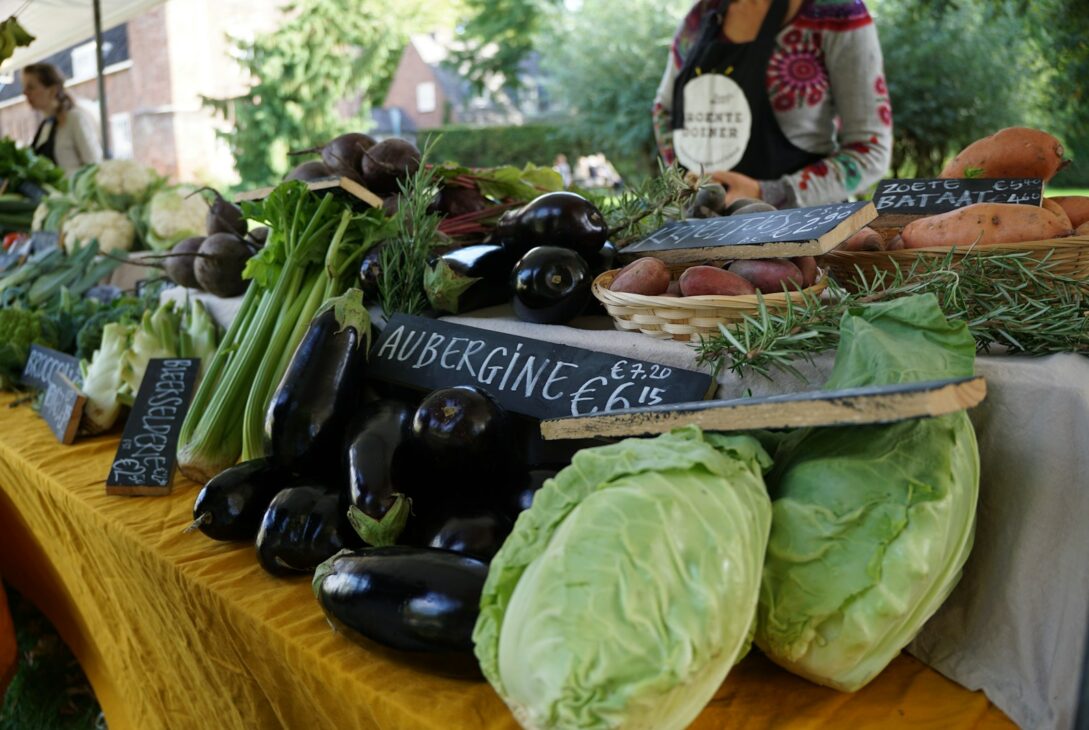
Restaurants near major sights tend to charge visitor prices and serve visitor menus. A few streets away, a local market is often cheaper, fresher and far more interesting. You can fill a picnic basket, grab a hot lunch cooked in front of you and watch daily life unfold, usually for a fraction of the price.
Here’s how to find good markets, eat safely and stretch your budget without missing out.
Why Markets Are Worth Your Time
- Value: prices are usually lower than in tourist restaurants, and portions can be generous.
- Freshness: local produce, bread and prepared dishes turn over quickly.
- Flavor: you taste what locals actually eat, from regional specialties to seasonal fruit.
- Flexibility: you can try small portions of many things instead of committing to one meal.
- Connection: markets are social places where conversation comes easily, even with limited language.
How to Find a Good One
- Ask locals. Hotel staff, guesthouse hosts, café owners and shopkeepers often know the best market and the best time to go. Ask where they shop, not where tourists go.
- Look for market days. Many towns hold weekly or daily markets on set days. Check local tourism sites.
- Go early. Morning is when produce is freshest and stalls are fully stocked. Many markets wind down by early afternoon.
- Use maps wisely. Search for “market” in the local language and check recent reviews, photos and opening hours.
- Look for both kinds. Fresh-produce markets are great for picnic supplies. Food halls and street-food markets focus on cooked meals.
Spot the Stalls Worth Your Money
When dozens of vendors offer similar food, a few clues help you choose well:
- Queues of locals are one of the most reliable signs.
- High turnover. Busy stalls sell food fast, so it isn’t sitting around.
- A short menu. A stall doing a few things well usually beats one doing everything.
- Food cooked to order or served hot. It’s fresher and safer.
- Visible prices. Posted prices or a clear price board reduce the risk of being overcharged.
- Clean workspace and tidy handling. Look at how staff handle food, money and utensils.
Eat Safely
Most market food is perfectly safe, and millions of people eat it every day. A few simple precautions lower the risk of an upset stomach:
- Choose food that’s cooked fresh and served piping hot.
- Be cautious with items that sit out for long periods in the heat, especially cooked rice, meat, seafood and dairy-based dishes.
- Peel fruit yourself, or wash produce with safe water.
- Check whether the local tap water is drinkable. If not, avoid ice, unbottled drinks and raw salads washed in tap water.
- Wash your hands or use hand sanitizer before eating.
- Pace yourself on your first day, especially if you’re not used to spicy or rich food.
- Carry rehydration salts and basic medicine, and see a doctor if symptoms are severe or persistent.
If you have a medical condition or a weakened immune system, ask a travel clinic for advice before your trip.
Allergies and Dietary Needs
Markets can be harder than restaurants when you have food restrictions, since ingredients aren’t listed. But you can manage it:
- Carry a translated card naming your allergens or dietary rules clearly in the local language.
- Learn key words for ingredients you avoid, such as nuts, shellfish, gluten, dairy or specific meats.
- Ask politely about ingredients and how food is cooked, including oils or stock used.
- Follow your own religious, ethical or health rules. If you can’t confirm what’s in a dish, skip it. Fresh fruit, bread, nuts you can inspect and simple vegetable dishes are often easier choices.
- Be careful with severe allergies. Cross-contamination is common at busy stalls. Carry your prescribed medication and consider sticking to sealed or whole foods.
Budget Tips That Actually Work
- Make lunch your main meal. Lunch menus and market meals are often cheaper than dinner.
- Share dishes. Order a few items among friends to taste more without overspending.
- Build a picnic. Bread, cheese, fruit, olives or local snacks from a market make a cheap and delicious meal in a park.
- Check prices first. Walk a full lap before buying and compare similar items.
- Buy by weight carefully. Confirm the price per kilo or unit before the vendor starts weighing.
- Carry small bills and coins. Vendors may not have change for large notes, and some stalls accept cash only.
- Use local currency. Avoid exchanging too much at airport rates.
- Skip bottled drinks in tourist zones. Prices rise sharply near attractions. Carry a refillable bottle where tap water is safe.
Market Manners
- Greet vendors with a smile and a local hello.
- Ask before taking photos of people or stalls, and buy something if you’ve taken up time.
- Don’t handle produce roughly or squeeze items excessively. Ask or follow what locals do.
- If bargaining is customary, do so politely and stop when you’ve reached a fair price. In fixed-price markets, bargaining is inappropriate.
- Don’t wander off with samples without asking, and say thank you.
- Keep bags closed, and watch for pickpockets in crowded areas.
- Respect local customs about food, holidays and fasting periods.
Learn the Food Vocabulary
A little preparation makes ordering far easier:
- Learn how to say “one of those,” “how much?” and “no, thank you.”
- Download an offline translation app and use the camera function for signs.
- Look up regional dishes before you go, so you know what to try.
- Point and smile. It works nearly everywhere.
Plan a Market Visit
- Pick the market and time in the morning, ideally on a day when it’s fully open.
- Bring cash, a tote bag and hand sanitizer.
- Walk once around without buying, to see options and compare prices.
- Taste small first. Try a few snacks before deciding on your main meal.
- Buy picnic items for later, and find a bench or park.
- Ask a vendor for a recommendation. People love to share their local favorites.
Frequently Asked Questions
Is street food safe?
Generally yes when you choose busy stalls with fresh, hot food. Use common sense about hygiene and water.
Will I be charged more as a tourist?
Sometimes. Check prices first, observe what locals pay and stay friendly. Often the difference is small.
How much cash should I bring?
Enough for a meal or two, in small denominations. Don’t carry large sums or flash your wallet.
What if I don’t speak the language?
Pointing, gestures, translation apps and a smile are usually enough. Many vendors are used to visitors.
Conclusion
Local markets give you the best of both worlds: real food at fair prices and a close look at everyday life. On your next trip, ask a local for their favorite market, go early with small cash and take a slow lap before you buy. A meal there may become the highlight of your day.
This article offers general travel and food-safety information, not medical advice. Consult a travel health professional for guidance on your own circumstances.