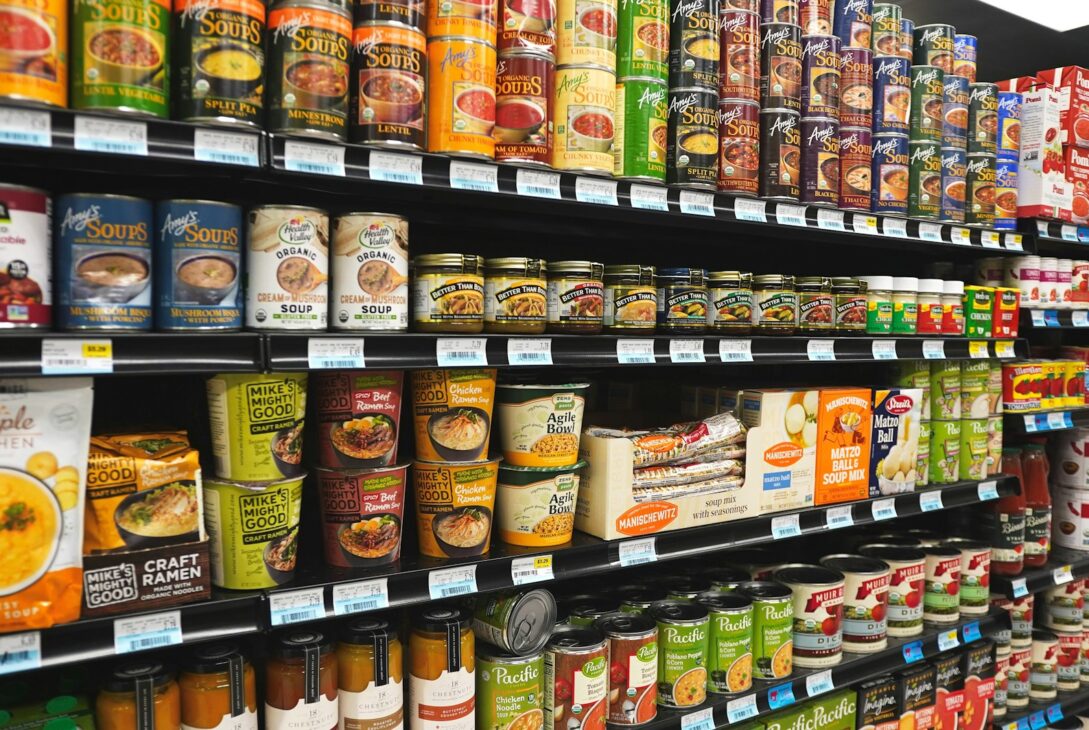
Standing in a supermarket aisle holding two boxes of breakfast cereal, both claiming to be healthy, is a modern rite of passage. One says “high in fiber,” the other “made with real fruit.” The front of the box tells you what the manufacturer wants you to notice. The back tells you what’s really inside.
Learning to read food labels doesn’t require a nutrition degree. A handful of simple checks can help you compare products quickly, avoid marketing traps and choose foods that fit your needs.
Start With the Serving Size
This is where most people get tripped up. All the numbers on a nutrition label, such as calories, fat and sugar, refer to one serving, and the serving size is set by the manufacturer. A bag of chips might list 150 calories, but if the bag contains three servings and you eat it all, you’ve had 450.
So always check two things first:
- Serving size: how much food the numbers refer to.
- Servings per container: how many servings are in the package.
Then ask: how much will I realistically eat? Multiply accordingly.
Per Serving or Per 100 Grams?
Labels in many countries, including the UK and EU, list nutrients per 100 grams or 100 milliliters as well as per serving. The “per 100 g” column makes it easy to compare different products fairly, since it’s a standard unit. Use it to compare, and use the “per serving” column to work out what you actually eat.
Understand the Percent Daily Value
On labels that show % Daily Value (%DV), the number tells you how much a serving contributes to a typical day’s recommended intake of a nutrient, based on a general diet. A handy rule of thumb used by health agencies:
- 5% DV or less is considered low.
- 20% DV or more is considered high.
Look for high percentages of nutrients you want more of, and low percentages of those you want to limit. Remember that daily values are based on general guidelines and your own needs may differ.
Nutrients to Limit
- Added sugars. Sugar that’s added during processing or preparation, as opposed to sugar naturally found in fruit or milk. Many health organizations advise limiting added sugars. Where labels show only “total sugars,” check the ingredient list for added sources.
- Saturated fat. High intakes are linked to higher cholesterol levels for many people. Compare similar products and choose lower options.
- Sodium (salt). Too much is linked to high blood pressure. If a label lists sodium, multiply by 2.5 to approximate the salt content. Packaged and processed foods are major sources.
- Trans fats. Where listed, aim for as close to zero as possible, and avoid “partially hydrogenated oils” in the ingredient list.
Nutrients to Look For
- Fiber, which supports digestion and helps you feel full.
- Protein, useful in balanced meals.
- Calcium, iron, potassium and vitamin D, which many people don’t get enough of.
Whole foods such as vegetables, fruit, beans, lentils, nuts and whole grains naturally provide many of these.
Read the Ingredient List
Ingredients are listed in descending order by weight. The first few make up most of the product. A few things to watch:
- If sugar, in any form, appears near the top, the product is mostly sugar.
- Sugar has many names: glucose, fructose, sucrose, maltose, corn syrup, honey, agave, fruit juice concentrate and more. Several different sugars in a list can add up.
- Shorter lists are often (not always) simpler products. A long list isn’t automatically bad, but it may signal heavy processing.
- Whole grain claims: look for “whole wheat” or “whole grain” as the first ingredient, not just “wheat flour.”
- Allergens are usually highlighted or listed separately. Always check, even for familiar products, since recipes change.
If you follow religious or ethical dietary rules, such as halal, kosher or vegetarian, check ingredients like gelatin, certain emulsifiers and flavorings that may come from animal sources, and look for certification marks you trust. When in doubt, contact the manufacturer.
Decode the Front-of-Pack Claims
The front of the package is marketing. Some claims are regulated, and others are vague. Here’s how to read common ones:
- “Low fat” or “reduced fat”: may be lower in fat but higher in sugar or salt to compensate. Check the full label.
- “No added sugar”: no sugar was added, but the product may still contain natural sugars, such as from fruit juice.
- “Natural”: usually has no strict meaning and doesn’t guarantee healthfulness.
- “Light” or “lite”: can refer to color, taste or calories, so read the details.
- “Made with whole grains” or “made with real fruit”: can mean a small amount. Check ingredients.
- “Multigrain”: means several types of grain, not necessarily whole grain.
- “Gluten-free,” “organic” and similar claims: describe specific attributes and aren’t automatically healthier.
Front-of-Pack Rating Systems
Some countries use simple rating systems to help shoppers compare products at a glance:
- Traffic-light labels use red, amber and green for fat, saturated fat, sugars and salt.
- Nutri-Score assigns letters from A to E, used in several European countries.
- Health Star Rating gives products between half a star and five stars in Australia and New Zealand.
These systems are useful shortcuts for comparing similar products, but they don’t capture everything, and they vary in design and in who uses them. Treat them as a starting point.
Date Labels
- “Use by” dates relate to safety. Don’t eat food after this date.
- “Best before” dates relate to quality. The food is often still safe afterward if stored properly and it looks and smells normal.
A Quick Five-Step Label Check
- Check the serving size and how many servings you’ll eat.
- Scan calories, saturated fat, sodium and added sugars.
- Look for fiber, protein and useful micronutrients.
- Read the first three to five ingredients.
- Compare with a similar product using the “per 100 g” column.
Keep It in Perspective
- Whole foods don’t need labels. Fresh fruit, vegetables, eggs, plain rice, oats and beans have one ingredient and need no decoding.
- Don’t obsess. One product doesn’t make or break your diet. Look at overall patterns.
- Consider your own needs. Age, health conditions, allergies and goals all shape what’s right for you. If you have a medical condition, ask your doctor or a registered dietitian for personal advice.
- Beware of food anxiety. Labels are tools for informed choice, not reasons for guilt. If checking labels becomes stressful or leads to rigid eating rules, talk with a health professional.
Frequently Asked Questions
Are all calories on a label accurate?
They’re estimates, and regulations allow some margin of error. They’re good for comparing products but not exact.
What’s the difference between total sugar and added sugar?
Total sugars include sugars naturally present in ingredients such as milk and fruit, plus any added sugars. Added sugars are the ones put in during processing.
Is “organic” healthier?
Organic describes how the food was produced. It doesn’t automatically mean lower in sugar, salt or calories.
Do I need to check labels on everything?
No. Focus on packaged foods you buy regularly, and once you’ve found good choices, you won’t need to recheck every time.
Conclusion
You don’t need to read every label on every trip to benefit from the skill. Next time you shop, pick one product you buy often, such as a cereal, yogurt or sauce, and compare its label with a similar alternative. Check the serving size, sugar, salt and ingredients. That five-minute exercise will teach you most of what you need to know.
This article offers general information, not medical or dietary advice. Label requirements and reference values differ by country, so check the guidance for where you live.