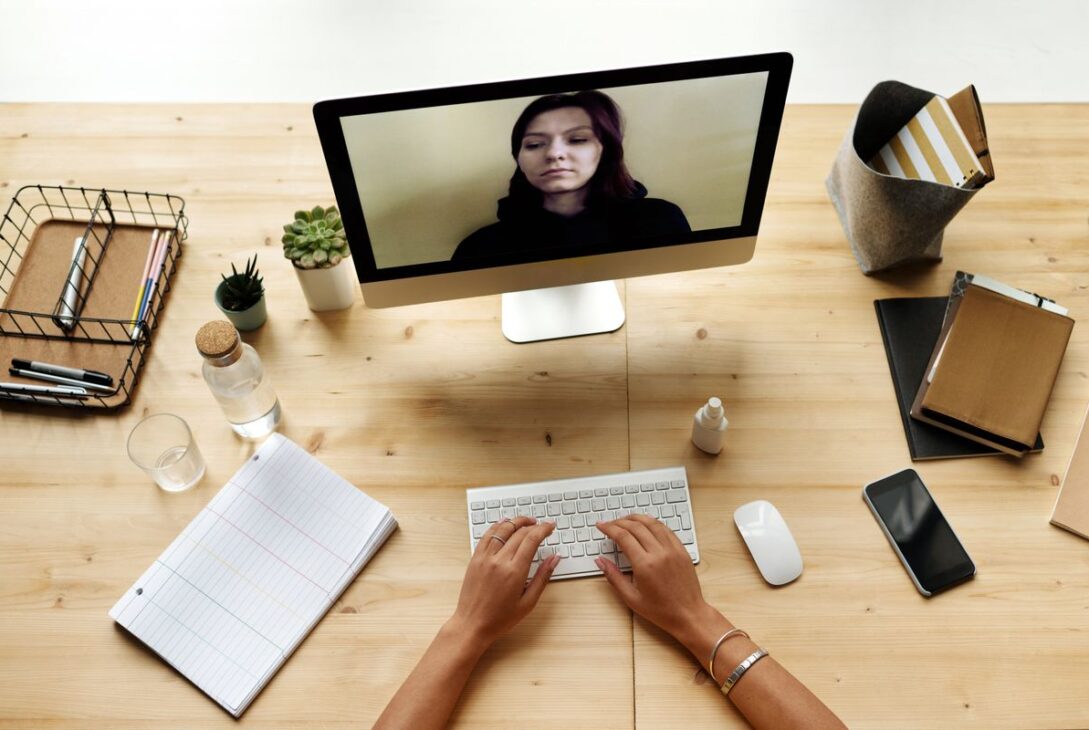
A video interview feels like a normal interview with a webcam added. It isn’t. The interviewer can’t read your posture across a table or notice how you treat the receptionist. They have your answers, your voice and a small rectangle of your face. That narrow view changes what gets noticed.
How Remote Interviews Get Scored
Many employers use structured interviews: the same questions for every candidate, scored against a short list of skills. Each interviewer typically notes evidence for each skill, then compares notes with the hiring team. Exact methods vary, but a few themes show up often:
- Clear communication. Can you explain your thinking in a way that’s easy to follow?
- Evidence of results. Do your examples show what you personally did and what came of it?
- Self-direction. For remote roles especially, can you manage your own time and priorities?
- Collaboration at a distance. Do you keep people informed and respond well in writing?
- Reliability. Did you show up prepared, on time and with working equipment?
Notice how many of these are visible before you answer a single question.
Get the Technical Basics Out of the Way
Technical trouble steals attention from your answers. A short setup routine removes most of it:
- Test the platform a day ahead: camera, microphone, screen sharing and the meeting link.
- Raise the camera to eye level. A stack of books under a laptop works.
- Put light in front of you, such as a window or a lamp facing you, not behind.
- Use headphones with a microphone if you can. Clear audio matters more than a perfect picture.
- Choose a tidy, neutral background and close other apps and notifications.
- Keep a backup plan: the interviewer’s phone number or email, and a phone ready to join if your internet drops.
Make Up for Missing Body Language
On video, small cues disappear, so you have to be a little more explicit. Look at the camera while making key points, since that feels like eye contact to the viewer. Speak slightly slower than usual. Pause before answering; short silences feel longer on a call, but they sound thoughtful rather than hesitant.
Verbal signposting also helps: “I’ll give you two reasons,” “The result was,” “To sum up.” These phrases guide the listener when visual cues can’t.
Structure Answers So They’re Easy to Score
For experience questions, a simple frame keeps you focused:
- Situation: one or two sentences of context.
- Task: what you were responsible for.
- Action: what you personally did, and why.
- Result: the outcome, and what you learned.
Aim for about one to two minutes per answer. Spend most of that time on the action and result. Using “I” for your own work and “we” for team work shows honesty about your role.
Show You Can Work Remotely
If the job is remote or hybrid, interviewers want proof you can thrive without constant supervision. Prepare two or three examples that show:
- How you plan your week and protect focus time
- How you keep teammates updated without being asked
- How you write clearly in messages, documents and email
- How you handle time zones, delays or unclear instructions
Even without past remote experience, you can draw on projects where you worked independently or coordinated with people in other locations.
Handle Glitches Gracefully
Connections freeze. Dogs bark. Calm recovery often impresses more than a flawless call. If the line drops, rejoin quickly and say, “Sorry about that. I’ll pick up from where I left off.” If you didn’t catch a question, ask them to repeat it rather than guessing.
Ask Questions That Show You Think Like a Colleague
Prepare three or four questions about how the team actually works:
- “How does the team communicate day to day, and which tools do you use?”
- “What does success look like in the first three months?”
- “How are priorities set, and how do you give feedback?”
These questions show you’re already imagining the work, which is exactly what the interviewer wants to see.
Follow Up Within a Day
Send a short, specific thank-you email within 24 hours. Mention one thing you discussed, restate why you’re interested and offer to provide anything else they need. Keep it brief and free of errors, because it doubles as a sample of your written communication.
Frequently Asked Questions
What should I wear to a video interview?
Dress as you would for an in-person interview at that company, usually a step smarter than daily work wear. Solid, simple colors tend to look best on camera.
Can I use notes during a video interview?
Brief notes with key examples and your questions are fine. Avoid reading full answers aloud, since it sounds scripted.
Where should I look during the call?
Glance at the screen to read reactions, but look into the camera when making your main points.
What if my home setup isn’t ideal?
Be honest if something interferes, and find a quiet alternative if you can, such as a library room or borrowed space. Interviewers care more about preparation than about your furniture.
Conclusion
A remote interview is scored on clarity, evidence and reliability, and you control all three. Do a full tech test tomorrow, rehearse two structured examples out loud, and keep a backup plan ready. Those three steps put you ahead of many candidates before the call begins.