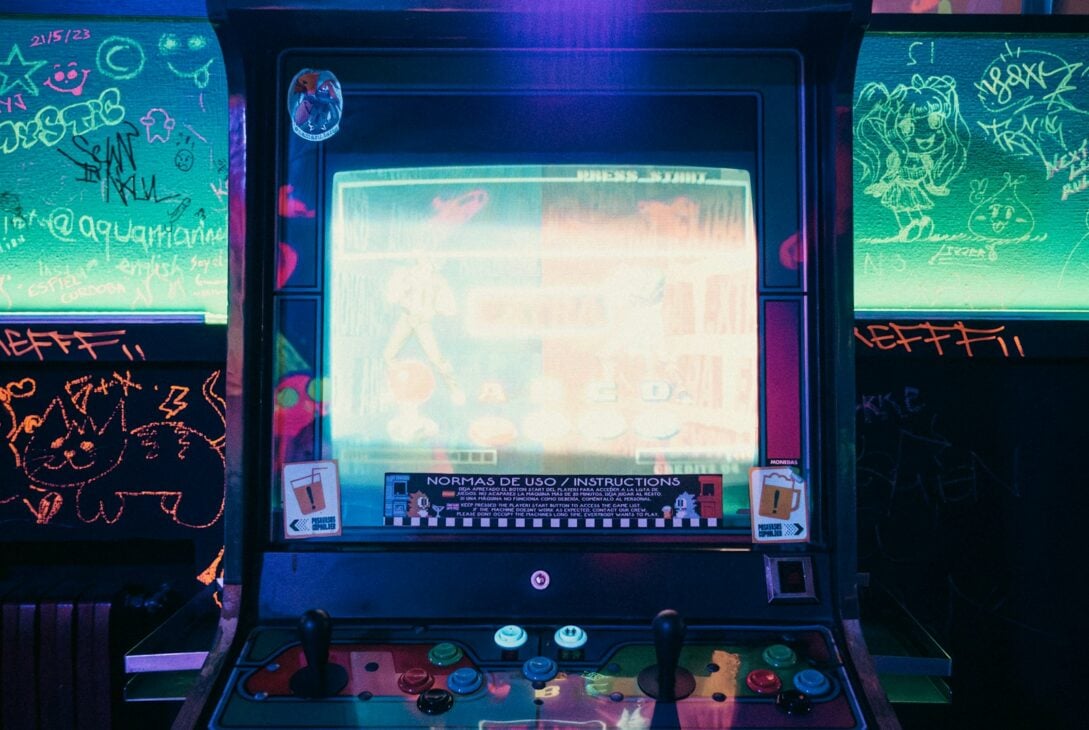
Retro gaming has a way of pulling people in. Maybe it’s nostalgia for the console you grew up with, curiosity about the classics everyone talks about or simply a love of games that were built to be fun in a few minutes. The catch is that collecting can get expensive fast, as prices for sought-after cartridges and consoles have risen in recent years.
The good news is that you can enjoy classic games without a big budget, if you plan carefully and avoid a few common traps. Here’s how to start.
Step 1: Decide What You Actually Want
Before you buy anything, answer a few questions:
- Which era or system? Pick one platform to start, such as an 8-bit, 16-bit or early 3D console. Spreading across many systems drains money and shelf space.
- Playing or collecting? If you mainly want to play, condition and boxes matter less, and prices drop. Collectors who want complete boxed games pay far more.
- How much will you spend? Set a small monthly budget and stick to it. A slow, steady collection feels better than a rushed splurge.
- Which games do you want? Make a short wish list of ten games you’d really like to play.
Step 2: Choose Your Route
Official re-releases and subscriptions
This is the cheapest and simplest route. Many publishers sell classic collections, remasters and mini consoles with built-in games, or include retro libraries in subscription services. You get legal, tested games on modern hardware with no hunting or maintenance. The downside is that libraries are limited and change over time.
Original hardware and games
For the authentic experience, original consoles and cartridges can’t be beaten. They require more effort and money, but they’re what many fans love. Common, widely produced consoles and games are usually the cheapest.
Modern replicas and clones
Some companies make new consoles that play original cartridges or modern hardware built to replicate old systems. Quality varies, and some imitations have compatibility quirks. Research reviews before buying.
Step 3: Buy Smart
Start with the console, not the games
Get a working console and controllers first. Then add games gradually. A system without games is useless, but a shelf of games without a working console is worse.
Where to look
- Local game shops and pawn shops. You can inspect items in person, and prices are often fair.
- Flea markets, car boot sales and garage sales. Bargains happen, but test everything if you can.
- Online marketplaces. Larger selection, but more risk. Read seller ratings, check photos carefully and use platforms with buyer protection.
- Retro gaming communities and trade groups. Fellow fans can offer fair deals and advice.
Check prices before you buy
Look at recently sold listings, not asking prices, to see what items really sell for. Prices vary a lot by condition, region and hype around a title. Be patient. Sellers often relist items at lower prices, and trends cool off.
Understand condition terms
- Loose: the console or cartridge alone, with no box or manual. This is the cheapest way to play.
- Complete in box (CIB): includes the box and manuals, usually much more expensive.
- Sealed: never opened, mostly for collectors and priced accordingly.
If you just want to play, loose is the budget-friendly choice.
Step 4: Avoid Common Traps
- Fake and reproduction cartridges. Counterfeits exist for popular games. Warning signs include unusually low prices, blurry labels, wrong fonts, mismatched colors and incorrect circuit boards. Learn what a genuine copy looks like, buy from sellers with return policies and ask for clear photos.
- Dead save batteries. Many older cartridges use small batteries to store save data. After decades, they may fail, so progress may not save. Replacing the battery is possible for hobbyists, or you can pick games that don’t need one.
- Overpaying for hype. If a game’s price suddenly jumps, wait or look for a re-release.
- Damaged consoles. Check for corrosion, missing parts, yellowed or cracked plastic and non-working ports.
- Unsafe power supplies. Old third-party power adapters can be a fire or shock risk. Use reputable replacements designed for your console and region.
- Region locks. Some consoles only play games from certain regions. Check compatibility.
- Piracy. Downloading games from unauthorized sources is illegal in many places and harms creators. Stick to legitimate purchases and official re-releases.
Step 5: Connect It to Your TV
Old consoles were built for old televisions, and modern TVs can make them look blurry or add delay. Options include:
- Using the original cables if your TV still has compatible inputs.
- Buying a good-quality adapter or upscaler to convert old signals to HDMI. Cheap adapters can add lag or poor picture.
- Using a CRT television, which many enthusiasts prefer for retro games. They’re often available cheaply or free, but they’re heavy and take up space.
- Choosing modern replica consoles with HDMI output built in.
Check TV settings for a “game” mode, which reduces input delay.
Step 6: Care for What You Own
- Clean cartridges and consoles gently. A cotton swab with a little isopropyl alcohol can clear dust from cartridge contacts. Let them dry fully before use.
- Store games upright, away from heat, sunlight and damp.
- Use surge protection.
- Handle discs carefully, and keep them in cases.
- Don’t force cartridges. Bent pins and damaged slots are costly to fix.
A Sample Budget Plan
- Month 1: buy a working console with a controller and the necessary cables.
- Month 2: add one or two well-reviewed, reasonably priced games.
- Month 3 onward: add a game or accessory each month, prioritizing your wish list.
- Along the way: trade or sell games you don’t enjoy to fund new ones.
Look for common, well-loved games with large print runs. They tend to be inexpensive and just as fun as the rare ones.
Ways to Enjoy Retro Games Without Collecting Much
- Play official collections on current consoles or PC.
- Visit retro arcades and gaming cafes, where you can try original hardware.
- Join a local retro gaming club or meetup.
- Borrow and swap with friends.
- Visit museums and exhibitions on video game history.
Family-Friendly Notes
Older games vary widely in content. Check ratings and descriptions, especially if children will play. Plenty of classic titles are family-friendly platformers, puzzle games, racers and sports games, but some include mature themes. Local multiplayer on retro consoles is wonderful for a family game night.
Frequently Asked Questions
Is retro gaming expensive?
It can be, but it doesn’t have to be. Common consoles and games are affordable, and official re-releases are cheaper still.
Are retro games worth it as an investment?
Prices can rise and fall unpredictably. Collect because you enjoy the games, not as a financial plan.
What’s the best starter console?
It depends on your favorite games and nostalgia. Choose a system with a big library of games you want and plenty of affordable copies.
How do I tell if a game is fake?
Compare it with photos of genuine copies, check labels, plastic and circuit boards, and buy from sellers with return policies.
Conclusion
Retro gaming should be fun, not stressful. Pick one system, set a modest budget, buy carefully and play what you collect. Write your list of ten games this week, and check what they cost in official collections and used markets before you spend a penny.