
Traveling with young children isn’t the romantic adventure Instagram portrays. I learned brutal lessons after three international trips with kids aged 3-8.
Most family travel advice comes from people without kids or sponsored influencers. Real strategies emerge from actual parents surviving airports and meltdowns.
1. Forget Your Pre-Kid Travel Style
Your backpacking days are over until kids reach teenage years. Accept this reality immediately and adjust expectations accordingly.
Additionally, spontaneous exploring gets replaced by structured schedules constantly. Kids need routine even during vacation for everyone’s sanity.
Museums and cultural sites lose appeal when managing tired children. A playground visit provides more value than forced cathedral tours.
The vacation is for them, not you anymore fundamentally. Your enjoyment comes from their happiness, not personal bucket lists.
I tried replicating my solo travel style with kids once. Everyone was miserable by day two of the trip.
| Travel Aspect | Solo/Couple Travel | Family Travel Reality | Adjustment Required |
|---|---|---|---|
| Daily Activities | 4-6 attractions | 2 attractions max | Cut plans by 60% |
| Meal Times | Flexible exploring | Strict schedule | Plan around naps |
| Accommodation | Hostels/boutique hotels | Family suites/Airbnb | Double the space |
| Budget per Day | $100-150 | $300-500 | Triple expectations |
2. Direct Flights Cost Less Than Sanity
Layovers with kids create exponentially more stress than additional cost. Pay the premium for direct flights religiously always.
Moreover, early morning flights work better than late departures. Kids sleep through early flights but meltdown during evening delays.
Aisle seats near bathrooms are essential with young children. Window seats trap you with urgent bathroom emergencies constantly.
Book seats together even if it costs extra fees. Airlines split families apart by default creating unnecessary stress.
I saved $200 taking connecting flights with kids once. The six-hour layover meltdown cost me that in airport food and sanity.
3. Accommodation Makes or Breaks Trips
Hotels require kids sleeping in your room disrupting everyone’s sleep. One kid wakes up and suddenly nobody sleeps well.
Airbnb apartments with separate bedrooms save family vacations. Kids sleep in their room while adults enjoy evening peace.
Additionally, kitchens let you control meal schedules and costs. Not every meal needs restaurant prices and waiting times.
Laundry access becomes essential for trips over four days. Kids destroy clothes faster than you can pack backups.
I switched to Airbnb exclusively after one hotel disaster. Separate bedrooms transformed our family travel experience completely.
4. The Two Activity Maximum Rule
Plan maximum two activities per day with young kids. Overscheduling guarantees meltdowns and ruins everyone’s enjoyment completely.
Furthermore, one activity should be kid-focused and enjoyable. Beaches, playgrounds, or interactive museums work better than cathedrals.
Build in pool time or downtime between activities. Kids need processing time and energy release regularly.
Adults take turns doing “their” activity while other watches kids. Nobody enjoys forcing unwilling children through personal bucket lists.
I learned this after cramming five activities into one day. My kids remember nothing except being tired and cranky.
5. Snacks Solve Everything
Pack triple the snacks you think you’ll need always. Hungry kids create instant meltdowns regardless of restaurant proximity.
Additionally, familiar snacks from home provide comfort in strange places. Goldfish crackers work universally across all travel destinations.
Airport security allows food items through screening without issues. Fill bags with sandwiches, fruits, and favorite treats.
Emergency snacks prevent desperate overpriced airport purchases constantly. A $12 airport sandwich tastes no better than home-made.
I now travel with an entire backpack dedicated to snacks. This simple strategy prevented countless potential meltdown situations.
6. Technology Isn’t Cheating
Downloaded movies and games save sanity during travel delays. Judgment from other parents matters less than peaceful flights.
Moreover, tablets keep kids entertained during adult activities occasionally. Thirty minutes of screen time lets adults enjoy museums.
Portable chargers and backup devices prevent dead-battery disasters. Always have backup entertainment options available immediately.
Headphones are mandatory for everyone’s sanity on planes. Other passengers shouldn’t suffer your kids’ Cocomelon addiction.
I fought screen time initially and suffered unnecessarily. Strategic technology use makes family travel actually enjoyable.
| Entertainment Type | Recommended Amount | Best Use Case | Pro Tip |
|---|---|---|---|
| Downloaded movies | 4-6 films | Flights and long drives | Test before trip |
| Educational games | 10+ apps | Restaurant waiting | Offline capable |
| Audiobooks | 3-5 books | Car rides | Family-friendly content |
| Physical activities | Always available | Energy release | Pack ball/frisbee |
7. Timing Trips Around Naps
Plan major activities during kids’ alert hours only. Post-lunch crankiness destroys afternoon museum visits predictably.
Additionally, protecting naptime maintains sanity for everyone involved. Skipping naps creates evening meltdowns that ruin dinners.
Stroller naps work for younger kids during walking tours. Older kids need actual rest in quiet spaces.
Early dinners at 5pm avoid restaurant crowds and meltdowns. Hungry tired kids at 7pm guarantee terrible experiences.
I ignored naptime once trying to maximize sightseeing. The resulting meltdown made us leave a museum after 15 minutes.
8. Kid-Friendly Destinations Matter
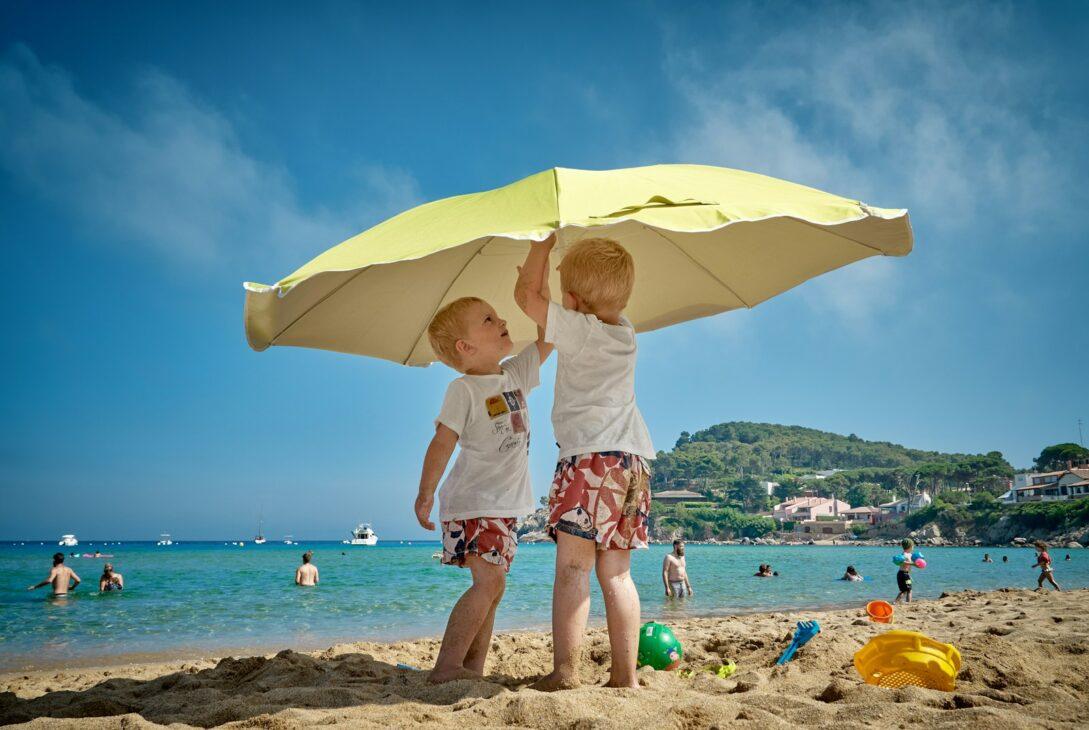
Beach destinations work better than cities for young families. Kids play independently while adults actually relax nearby.
Moreover, all-inclusive resorts provide stress-free family vacations. Kids’ clubs, included meals, and activities simplify everything.
National parks offer natural playgrounds kids love exploring. Hiking at their pace creates better memories than forced tours.
Avoid destinations requiring extensive walking or cultural sensitivity. Kids can’t handle 10-mile city walking tours realistically.
I tried Paris with a 4-year-old and regretted it. A beach resort the next year was infinitely better.
9. Lower Your Photography Expectations
Perfect family photos rarely happen with young children involved. Someone’s always crying, looking away, or making faces.
Additionally, chasing photo opportunities stresses everyone unnecessarily constantly. Enjoy moments instead of documenting them obsessively.
Hire a photographer for one session instead of forcing it. Professional photographers handle kid wrangling better than parents.
Candid shots capture real vacation memories better than staged portraits. Kids being themselves beats forced smiles dramatically.
I spent entire vacations stressing about photos previously. Now I take fewer photos and enjoy experiences more.
10. Pack Less Than You Think
Kids need fewer clothes than anxiety suggests initially. Laundry access solves everything better than overpacking attempts.
Additionally, buy necessities at destination rather than packing everything. Diapers, wipes, and snacks exist everywhere globally.
Each family member gets one carry-on maximum strictly. Checking bags with kids creates unnecessary stress and delays.
Packing cubes organize kid stuff efficiently without overpacking. One cube per child keeps belongings separated clearly.
I overpacked our first family trip with two suitcases extra. We used maybe 40% of what I brought along.
Conclusion
Family travel requires completely different strategies than solo adventures. Lower expectations and prioritize everyone’s sanity over Instagram moments.
The best family trips embrace simplicity over ambitious itineraries. Two activities daily, plenty of downtime, and flexible planning win.
I finally enjoy family travel after accepting these realities. My kids create amazing memories even if trips look different now.
Start small with nearby destinations, learn your family’s rhythm, and adjust. Family travel gets easier as you understand what actually works.