

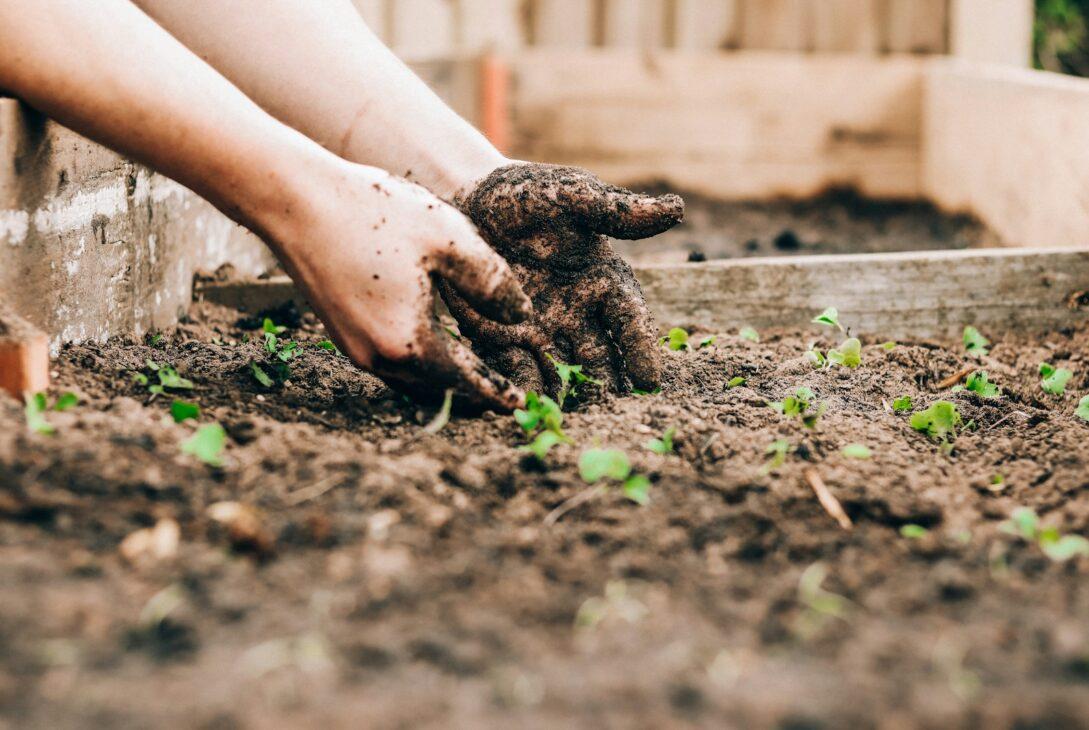
Food waste generates 58% of landfill methane emissions. However, apartment composting seems impossible due to space, smell, and pest concerns.
I’ve composted in a 600 square foot apartment for three years. Consequently, I’ve perfected methods that eliminate odors while diverting 300 pounds of waste annually from landfills.
1. Why Apartment Composting Actually Matters
Americans waste 40% of food purchased, generating 80 million tons of waste annually. This creates potent greenhouse gases in oxygen-deprived landfills.
Composting converts waste into nutrient-rich soil. Moreover, it cuts your household garbage by 30-50%, reducing bag usage and disposal costs.
Additionally, finished compost replaces chemical fertilizers for houseplants. I haven’t bought potting soil in two years thanks to apartment composting. Therefore, the environmental and financial benefits compound.
Furthermore, many cities now ban organic waste from regular garbage. Composting solves compliance issues while avoiding fines for improper disposal.
2. The Smell Problem: Carbon Ratio Science
Compost only smells when the nitrogen-to-carbon ratio exceeds 30:1. Food scraps are nitrogen-rich. Therefore, adding carbon-rich materials eliminates odors entirely.
I keep a small box of shredded paper beside my compost bin. After adding food scraps, I immediately cover them with paper. Consequently, no odors escape even in summer heat.
Cardboard works excellently too. I tear egg cartons and cereal boxes into small pieces. These carbon sources absorb moisture while balancing nitrogen, preventing the anaerobic decomposition that creates smell.
Additionally, newspaper without glossy sections works perfectly. I shred junk mail and use it as carbon material. This eliminates two waste streams simultaneously.
3. Bokashi: The Game-Changing Method for Apartments
Traditional composting requires space and outdoor access. Bokashi fermentation works in any apartment with zero smell when done correctly.
Bokashi uses beneficial microbes to ferment food waste anaerobically. The process happens in a sealed bucket, preventing odor escape. Moreover, bokashi accepts meat, dairy, and cooked foods that traditional composting cannot handle.
I bought a bokashi system for $35 three years ago. It still works perfectly, processing about 5 pounds of food waste weekly. Furthermore, the process completes in just two weeks versus months for traditional composting.
The system includes two buckets. While one ferments, the other collects new waste. Therefore, the cycle continues indefinitely without interruption or overflow.
| Composting Method | Space Needed | Smell Risk | Time to Finish | Apartment Suitable |
|---|---|---|---|---|
| Traditional bin | Large | High | 3-6 months | No |
| Bokashi | Minimal | Zero | 2 weeks | Yes |
| Worm bin | Small | Low | 2-3 months | Yes |
| Electric composter | Minimal | Zero | 24 hours | Yes (expensive) |
4. Worm Composting: The Living Solution
Vermicomposting uses red wiggler worms to process food waste. They thrive indoors and produce premium compost called worm castings.
My worm bin sits under the kitchen sink. It’s 18×24 inches and processes 3 pounds of food waste weekly. Moreover, worms multiply naturally, so the system scales with your waste volume.
Properly maintained worm bins smell like forest soil—earthy and pleasant. The key is avoiding overfeeding. I add food only when previous material is 80% consumed.
Additionally, worms need proper bedding. I use shredded newspaper moistened to damp-sponge consistency. This provides carbon while maintaining ideal moisture levels.
Red wigglers cost $30 for a starter population. They double every 60-90 days under good conditions. Therefore, initial investment quickly becomes self-sustaining.
5. What Goes In: The Critical Acceptance List
Not all food waste works for apartment composting. Choosing correctly prevents problems entirely.
Always compost these:
- Fruit and vegetable scraps
- Coffee grounds and filters
- Tea bags (remove staples)
- Crushed eggshells
- Bread and grains (small amounts)
Never compost these in apartments:
- Meat and bones (except in bokashi)
- Dairy products (except in bokashi)
- Oils and fats
- Pet waste
- Diseased plants
Notably, citrus and onions slow worm composting but work fine in bokashi. Therefore, I separate these items for my bokashi system specifically.
Furthermore, cutting waste into small pieces accelerates decomposition. I chop larger items before adding them. Consequently, processing time decreases by 40%.
6. Container Selection: What Actually Works
I’ve tested seven container types. Most failed due to poor ventilation, inadequate sealing, or material breakdown.
Stainless steel containers with charcoal filters work best for countertop collection. The filter absorbs odors while the metal resists staining and corrosion. Moreover, stainless steel cleans easily and lasts indefinitely.
I collect scraps in a 1-gallon stainless container. It holds 3-4 days of waste from two people. Additionally, the size prevents overfilling and forces regular emptying.
For bokashi, only purpose-built buckets work. They include spigots for draining liquid and airtight seals preventing odor escape. Generic buckets lack these critical features.
Worm bins need breathable construction. I use a plastic storage container with drilled ventilation holes. The holes are 1/8 inch—large enough for air but too small for pests.
7. Location Strategy: Where to Put Everything
Counter space is precious in apartments. However, composting containers need accessibility for consistent use.
My collection container sits beside the cutting board. This placement ensures I add scraps immediately while cooking. Consequently, usage becomes automatic rather than requiring extra steps.
The bokashi bucket lives in a cabinet under the sink. Dark, room-temperature locations work perfectly for fermentation. Moreover, the cabinet door contains any minimal odors that might develop.
My worm bin also stays under the sink. The dark environment keeps worms happy and active. Furthermore, the location maintains stable temperatures year-round.
Additionally, I keep finished compost in a sealed container on the balcony. This frees indoor space while the compost cures before use.
8. Maintenance: The Five-Minute Weekly Routine
Apartment composting succeeds through consistent, minimal maintenance. My weekly routine takes five minutes total.
First, I drain bokashi bucket liquid. This takes 30 seconds and produces excellent plant fertilizer. I dilute it 100:1 and water houseplants weekly.
Second, I check worm bin moisture. If dry, I add water via spray bottle. If wet, I add shredded paper. This takes one minute.
Third, I empty the countertop collection container into either bokashi or worm bin. Adding proper carbon material takes two minutes.
Fourth, I inspect for fruit flies. If present, I add extra carbon material and bury food scraps deeper. This problem rarely occurs with proper carbon ratios.
Finally, I wipe down containers with vinegar solution. This prevents buildup and eliminates any residual odors.
9. Troubleshooting: Common Problems Solved
Even with perfect systems, occasional issues arise. Here’s how I fixed every problem I encountered.
Fruit flies: They indicate insufficient carbon or exposed food. I buried scraps under two inches of paper and the flies disappeared in two days.
Foul smell: This means anaerobic conditions from overwatering. I added dry paper to absorb moisture and mixed contents thoroughly. The smell resolved within 24 hours.
Worms dying: Usually caused by temperature extremes or pH issues. I moved the bin away from heating vents and reduced citrus additions. Worm population recovered in three weeks.
Liquid overflow in bokashi: I was overfilling the bucket. Draining every three days instead of weekly solved this completely.
10. Using Finished Compost: The Final Step
Bokashi produces fermented material needing two more weeks of traditional composting. I bury it in potted plants or outdoor spaces.
For apartments without outdoor access, I mix bokashi output into potting soil for new plants. The fermented material finishes decomposing in the pot while feeding plants.
Worm castings are ready immediately. I use them as:
- Top dressing for houseplants
- Mixed into potting soil at 25% ratio
- Brewed into compost tea for liquid fertilizer
Additionally, excess compost makes excellent gifts. Friends appreciate free, premium plant food. Moreover, sharing compost spreads awareness about apartment composting.
| Compost Output | Best Use | Storage Time | Application Rate |
|---|---|---|---|
| Bokashi (fresh) | Bury in soil | 0 days | Direct burial |
| Worm castings | Any plants | 6 months | 25% mix |
| Finished compost | Outdoor gardens | 12 months | 50% mix |
| Compost tea | Liquid feed | 24 hours | 10:1 dilution |
Conclusion
Apartment composting works perfectly with proper methods and minimal effort. I process 300 pounds of food waste annually in 600 square feet with zero odor problems.
The key is choosing apartment-appropriate systems. Bokashi and vermicomposting specifically solve the space, smell, and pest challenges that make traditional composting impossible indoors.
Moreover, the environmental impact is substantial. My composting diverts waste from landfills while reducing methane emissions. Additionally, I save $200 annually on trash bags and plant fertilizer.
The startup cost is minimal. A bokashi system costs $35, while a worm bin costs $50 including worms. Therefore, the financial barrier is negligible compared to the benefits.
Apartment composting isn’t complicated or messy. It requires five minutes weekly and produces valuable compost for plants. Furthermore, the systems are completely invisible to guests and create zero odor when maintained properly.
Stop sending food waste to landfills. Urban composting solutions exist that work perfectly in any apartment without smell or space issues.