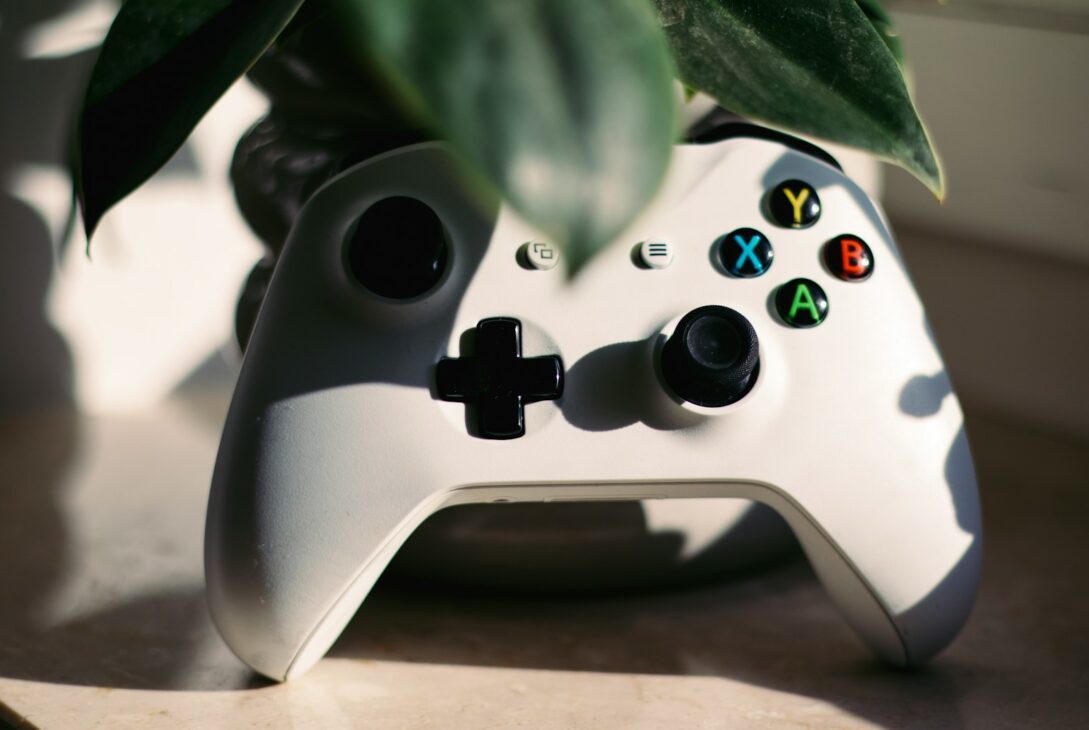
For years, video games were sold on speed, danger and winning. Then a quieter group of titles started topping wishlists: games where you decorate a cabin, tend a garden, sort a box of belongings or hike up a small mountain at your own pace. Nobody dies, and nothing is timed.
These “cozy games” have become a major part of the hobby. The reasons say a lot about what people actually want from play.
What Counts as a Cozy Game?
There’s no official definition, but most cozy games share a few traits:
- Low stakes. Failure is mild or impossible. You can’t lose in a way that matters.
- Player-set pace. No countdown timers or punishing deadlines.
- Gentle loops. Small, satisfying tasks such as planting, crafting, tidying or exploring.
- Warm presentation. Soft colors, calm music and friendly characters.
- Freedom to stop. The game doesn’t punish you for walking away.
The genre cuts across categories. A farming sim, a puzzle game and a walking adventure can all feel cozy if they hit those notes.
The Psychology Behind the Appeal
Researchers haven’t settled every question about why these games resonate, but several explanations are widely discussed.
They offer control in an unpredictable world. Many players describe cozy games as a place where effort leads to visible, reliable progress. A tidy island or a neat room is a small win you can finish in an evening.
They lower pressure. Competitive games can leave you tense, especially online. Cozy games remove the social ranking and the fear of letting a team down, which can make play feel more like rest than a second job.
They support routine and ritual. Watering crops or checking in on virtual neighbors creates a pleasant daily rhythm that some people find calming.
They spark creativity. Decorating, arranging and designing give players a way to express themselves without needing artistic skill.
It’s fair to keep expectations realistic. A game can be a good way to unwind, but it isn’t a replacement for professional support if you’re struggling with stress or low mood.
Why the Boom Happened When It Did
Several things came together. Small independent studios found that a quiet game with a distinct visual style could stand out on storefronts crowded with shooters. Streaming and social media helped, because cozy screenshots and short clips are easy to share. And during periods when many people spent more time at home, relaxing life-simulation games gave them somewhere comfortable to spend it.
Players also changed. People who grew up gaming now have jobs, families and less free time. A game that respects a 30-minute session suits that life far better than one demanding a three-hour raid.
Cozy Games Worth Trying
A few well-known examples show the range of the genre:
- Animal Crossing: New Horizons: a life simulation where you build a community on a small island, set to real-world time so the game continues alongside your day.
- A Short Hike: a compact exploration game about climbing a mountain, talking to other hikers and finding your own way up. It’s short enough to finish in a few evenings.
- Unpacking: a puzzle game in which you unpack boxes across a series of homes and slowly learn about the person’s life through their belongings.
- Dorfromantik: a relaxing tile-placing game where you build villages, forests and rivers into a growing landscape.
Before buying, check the age rating and content descriptions. Even gentle genres sometimes include themes or in-game purchases you may not want. Reading a few recent reviews will tell you quickly.
What Developers Learned From Cozy Games
The genre’s success has influenced the wider industry. Studios now add relaxed modes to harder games, give players more control over difficulty, and think harder about pacing and rest points. Even many action games include building, fishing or photography features that let players take a breath.
That’s a sign that “cozy” isn’t a niche. It’s a design philosophy about respecting players’ time and energy.
How to Get the Most From a Cozy Game
- Play in short sessions. They suit the genre and prevent the “just one more day” trap.
- Skip the optimization. If you catch yourself following spreadsheets for efficiency, remember the point is to relax.
- Set up your space. A comfortable chair, soft lighting and decent sound make a difference.
- Take breaks from the screen. Stretch, drink some water, and let your eyes rest between sessions.
Frequently Asked Questions
Are cozy games only for casual players?
No. Plenty of experienced players enjoy them as a counterweight to demanding games. Some cozy titles also contain deep systems for people who want to dig in.
Are cozy games good for children?
Many are, but ratings vary. Check the age rating, look for any online features or purchases, and play a little yourself first.
Do cozy games have to be slow?
Pace is up to you, but most are built around relaxed progression. If a game feels too slow, many let you speed up or skip chores.
What if I get bored without a challenge?
Look for cozy games with puzzles, management or exploration layers. Challenge and comfort can coexist.
Conclusion
Cozy games took over because they answer a real need: play that gives energy instead of taking it. Whether you pick a tiny island, a mountain trail or a box of belongings, give one a try on a quiet evening and see how it feels to play without pressure.