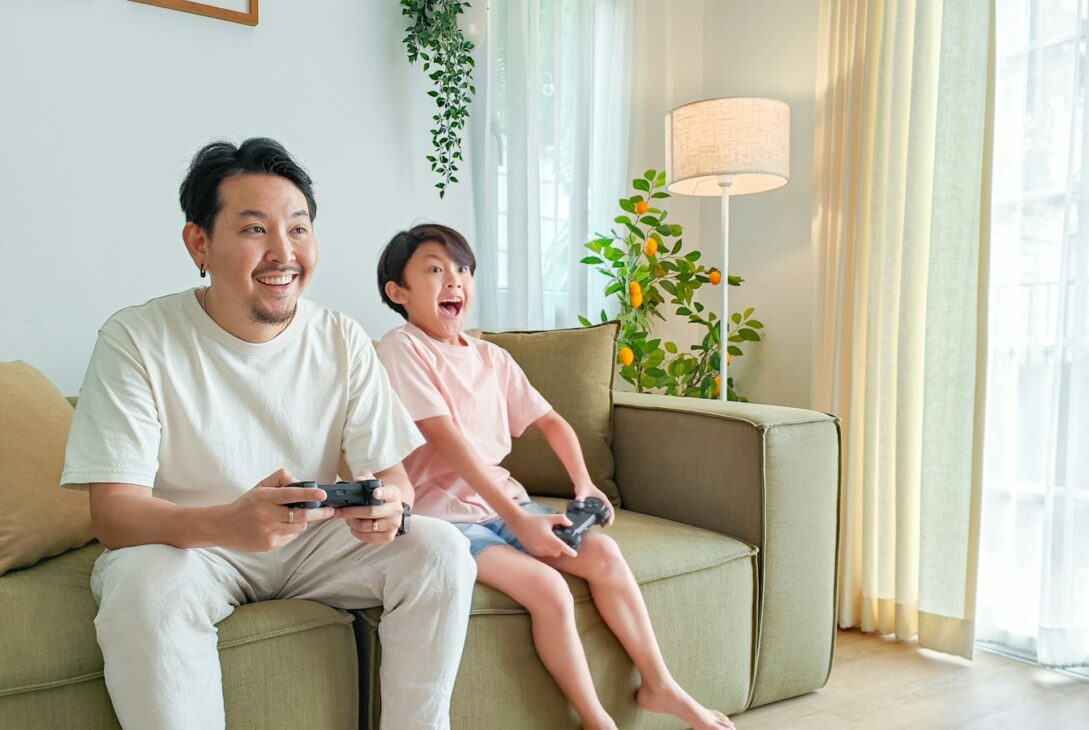
Most parents of young gamers have lived the same scene: “five more minutes” turns into thirty, a request to stop becomes a meltdown, and dinner goes cold. Games aren’t the enemy, but without a routine they have a way of expanding to fill every free hour.
A healthy screen time routine doesn’t require banning anything. It needs a few clear agreements, consistent follow-through and a bit of flexibility. Here’s how to build one.
Start With What the Experts Actually Say
Guidance depends on age. The World Health Organization advises very little or no sedentary screen time for babies and toddlers, and no more than an hour a day for children aged two to four, with less being better. For older children, the American Academy of Pediatrics encourages families to create a personalized media plan and set consistent limits, rather than following one universal number of hours.
The common thread is that quality, timing and balance matter alongside total time. A child playing a creative or cooperative game with a parent is in a different situation from one scrolling alone at midnight.
Step One: Talk Before You Set Rules
Rules imposed without explanation invite resistance. Sit down at a calm moment and talk about:
- What your child enjoys about their games
- What you worry about, such as sleep, homework or mood
- What a good week of play looks like to each of you
Children are more likely to follow rules they helped shape. Even younger kids can choose between two reasonable options, such as “after homework” or “after dinner.”
Step Two: Build a Simple Family Media Plan
Write down a short list of agreements and post it where everyone can see it. A basic plan covers:
- When games are allowed: after homework, chores and any other responsibilities.
- How long sessions last: tied to natural stopping points where possible.
- Where games are played: a shared space such as the living room makes supervision easier and keeps play social.
- Screen-free times and zones: mealtimes, family gatherings and bedrooms at night.
- Spending rules: no purchases without permission, and no randomized paid items such as loot boxes, which resemble chance-based gambling.
- Online rules: who they can talk to, what they share, and what to do if something feels wrong.
Review the plan every few months. A ten-year-old’s needs aren’t those of a fifteen-year-old.
Protect Sleep First
Sleep is the area where gaming most often causes harm. Late sessions delay bedtime, and bright, stimulating screens can make it harder to wind down. Many pediatric sources suggest turning screens off about an hour before bed and keeping devices out of bedrooms overnight. Charging devices in a common area is a simple habit that works well.
Choose Games With Natural Endings
Some games are easy to stop; others are designed to keep you going. A level-based adventure with save points is gentler than an endless online match or a game with daily reward streaks that punish absence.
- Check how long a typical session or match lasts.
- Be cautious with games built around daily login rewards, timers and constant notifications.
- Give a five- or ten-minute warning, then let the child finish the level instead of cutting them off mid-action.
Make the Transition Off Easier
Most conflicts happen when it’s time to stop. A few tactics help:
- Use a visual timer. A kitchen timer or a console’s built-in limit feels less personal than a parent’s voice.
- Announce the next activity. “Game ends at 6, then we’re making dinner together” gives them something to move toward.
- Stay calm and consistent. If the limit changes depending on your mood, children learn to push.
- Acknowledge feelings. “It’s hard to stop when you’re doing well” validates them without changing the rule.
Balance Screens With the Rest of Life
Gaming works best as one of several activities. Encourage movement, outdoor play, time with friends in person, reading, hobbies and family meals. Active breaks during longer sessions help too: stand, stretch and drink some water every half hour or so.
Playing together also pays off. When you join in, you learn what they enjoy and spot concerns early. It gives you credibility when it’s time to set limits.
Know the Warning Signs
Most children who love games are healthy and balanced. Pay closer attention if you notice:
- Loss of interest in activities they used to enjoy
- Declining school performance or avoiding homework
- Poor sleep, constant tiredness or changes in mood
- Strong anger or distress when gaming is limited
- Lying about play time or secret spending
If these persist, talk with your child calmly and consider speaking with a pediatrician, school counselor or mental health professional. Seeking help early is sensible, not an overreaction.
Frequently Asked Questions
How many hours of gaming is too much?
There isn’t one number for every child. Look at the effects: sleep, school, mood, physical activity and relationships. If these are suffering, it’s time to adjust.
Should I use parental controls?
Yes, especially for younger children. Consoles, phones and storefronts offer controls for time limits, spending, age ratings and online contact. Use them alongside conversation, not as a replacement.
What if my teenager refuses to follow the plan?
Involve them in revising it and focus on shared goals such as sleep and grades. Teenagers respond better to negotiation and trust than to flat orders.
Are some games better than others?
Generally, creative, cooperative and story-driven games with clear endings suit healthy routines better than games built around constant rewards or competitive pressure. Always check age ratings.
Conclusion
A good routine is mostly about clarity and calm: agreed rules, protected sleep, games with natural stopping points and plenty of life outside the screen. Start this week by sitting down with your child to write a short media plan together. It’s easier to keep than rules handed down from above.
This article offers general information, not medical advice. If you’re concerned about your child’s health or behavior, consult a qualified professional.