You don’t need a yard to grow food. A balcony, a windowsill or even a sunny stair landing can hold a small garden that produces fresh herbs, salad leaves and a few vegetables. Growing a little of your own food cuts down on packaging and trips to the shop, gives you flavors that don’t travel well, and brings a bit of green into a built-up space.
This guide covers how to start, what to grow and how to keep a small container garden healthy.
Step 1: Understand Your Space
Before buying anything, spend a day observing your balcony.
- Sunlight: note how many hours of direct sun each spot gets. Most fruiting plants such as tomatoes and peppers want around six or more hours. Leafy greens and many herbs manage with three to four.
- Wind: high balconies can be windy, which dries plants out and can knock them over. Sturdy pots and a windbreak, such as a trellis or screen, help.
- Weight: pots full of wet soil are heavy. Check your building’s load limits, especially for large planters.
- Rules: check lease terms and building regulations about railings, hanging pots and water runoff onto neighbors.
Step 2: Choose the Right Containers
- Drainage is essential. Every pot needs holes so excess water can escape. Standing water rots roots.
- Bigger is easier. Larger pots hold more moisture and need less frequent watering than small ones, which dry out fast in sun and wind.
- Match size to the plant: herbs and salad greens are fine in shallow pots. Tomatoes and peppers need deeper containers, ideally 20 to 30 liters or more.
- Reuse what you have. Buckets, crates and food-grade containers work if you drill drainage holes.
- Go vertical. Wall planters, hanging baskets, railing boxes and tiered shelves multiply growing space.
Step 3: Use Good Soil
Use a quality potting mix, not soil from the ground, which compacts and may carry pests. Many gardeners use peat-free mixes, which avoid harvesting peat bogs. Mix in a little compost for nutrients. Fill pots to about two to three centimeters below the rim so water doesn’t spill over.
Step 4: Pick Easy, Rewarding Plants
Herbs
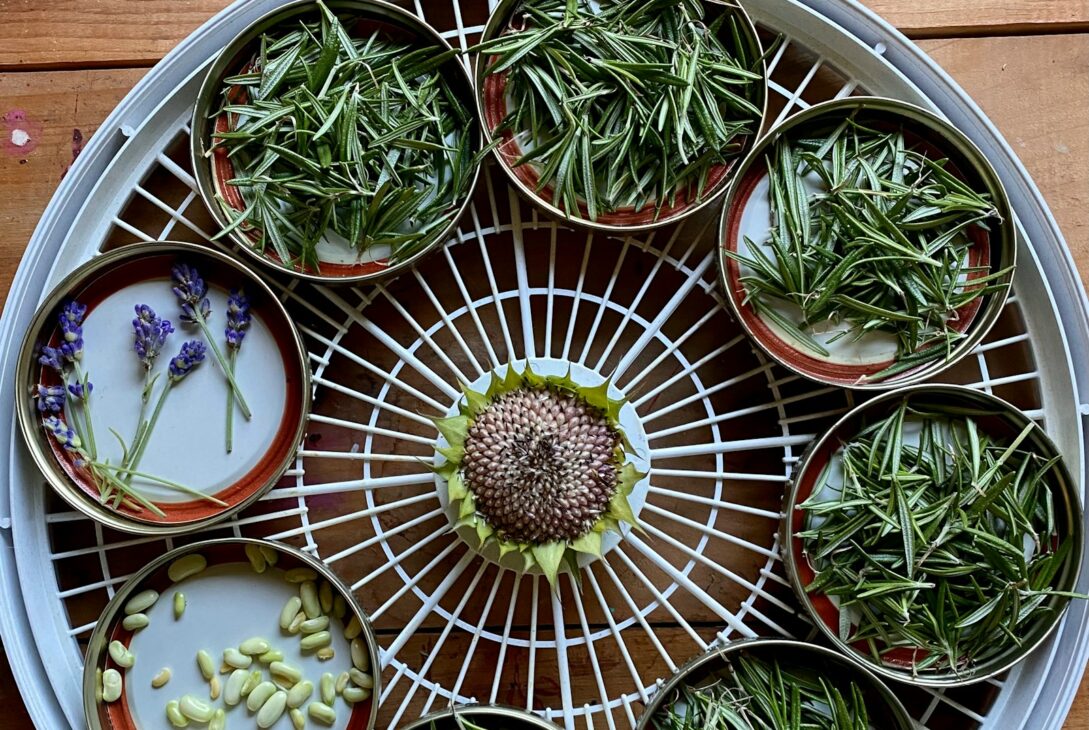
Herbs are the perfect starting point. Mint, parsley, coriander, chives, thyme, rosemary and basil all do well in pots. Mint spreads aggressively, so give it its own container. Basil loves warmth and sun, while parsley and coriander tolerate a bit more shade.
Leafy Greens
Lettuce, rocket, spinach and kale grow quickly and can be harvested leaf by leaf. They prefer cooler conditions and some afternoon shade in hot climates.
Compact Vegetables
- Cherry tomatoes: choose bush or “patio” varieties and give them a stake or cage.
- Chilli and sweet peppers: they thrive in warm, sunny spots.
- Radishes: ready in a few weeks, so they’re great for beginners.
- Bush beans and peas: produce well in containers with a bit of support.
- Strawberries: do well in hanging baskets and railing planters.
Start with three or four types you actually like to eat. A small, well-tended garden beats a big, neglected one.
Step 5: Water Wisely
Container plants dry out faster than garden beds. Check the soil daily in warm weather by pushing a finger about two centimeters in. If it’s dry, water slowly until it drains out the bottom. Water in the morning or evening to reduce evaporation. Mulching the surface with straw, bark or even dried leaves helps keep moisture in.
To save water, collect rainwater where possible, reuse cooled water from rinsing vegetables, and consider self-watering planters, which have a reservoir below the soil. Don’t overdo it, since soggy soil is as harmful as drought.
Step 6: Feed Your Plants
Nutrients wash out of pots with watering. After about four to six weeks, feed plants regularly with a diluted organic fertilizer or compost tea, following the package instructions. Leafy plants like nitrogen. Fruiting plants such as tomatoes and peppers prefer feeds richer in potassium once they start flowering.
Step 7: Keep Pests in Check
Inspect your plants every few days. Early detection makes pests easier to handle.
- Remove aphids by hand or with a strong spray of water.
- Pick off slugs and snails in the evening.
- Remove yellow or diseased leaves promptly.
- Space plants so air circulates, which reduces fungal problems.
- Companion planting, such as herbs near tomatoes, can help attract helpful insects, though it’s not a guarantee.
Avoid strong chemical sprays, especially near edible plants and in shared spaces.
Step 8: Plan for the Seasons
Seasonal timing depends on your climate. In general, plant cool-season greens in spring and autumn, and heat-lovers such as tomatoes and peppers after the last frost or in the warm season. In very hot summers, move pots into partial shade or use shade cloth. In cold weather, bring tender plants indoors or protect them with fleece.
A Simple Starter Plan
- Pick three containers: one wide, shallow pot for salad greens, one medium pot for mixed herbs and one large pot for a cherry tomato or chilli plant.
- Buy potting mix and either small plants or seeds.
- Place the sunniest container where it gets the most light.
- Water daily in warm weather and feed every few weeks.
- Harvest little and often, which encourages more growth.
Sustainability Tips
- Save seeds from open-pollinated plants where possible.
- Compost kitchen scraps or use a small worm bin or bokashi system.
- Choose peat-free compost and long-lasting pots.
- Grow plants that attract pollinators, such as chives, borage or marigolds.
- Share extra produce and cuttings with neighbors.
Frequently Asked Questions
Can I grow food on a shady balcony?
Yes, though yields are lower. Focus on leafy greens, mint, parsley, chives and other shade-tolerant plants.
How much will I save?
Herbs usually pay back quickly. A few pots won’t replace your groceries, but they can cut waste from unused bunches.
What’s the biggest beginner mistake?
Over- or under-watering, and choosing pots that are too small. Go bigger and check the soil before watering.
Is it safe to eat food grown in a city?
Generally yes, with washing. If your balcony faces a busy road, wash produce well and favor leafy plants you rinse thoroughly.
Conclusion
A balcony garden starts small and grows with your confidence. Pick a few plants you’ll use, give them light and drainage, and check in daily. In a few weeks you’ll be cooking with something you grew a few steps from your kitchen.