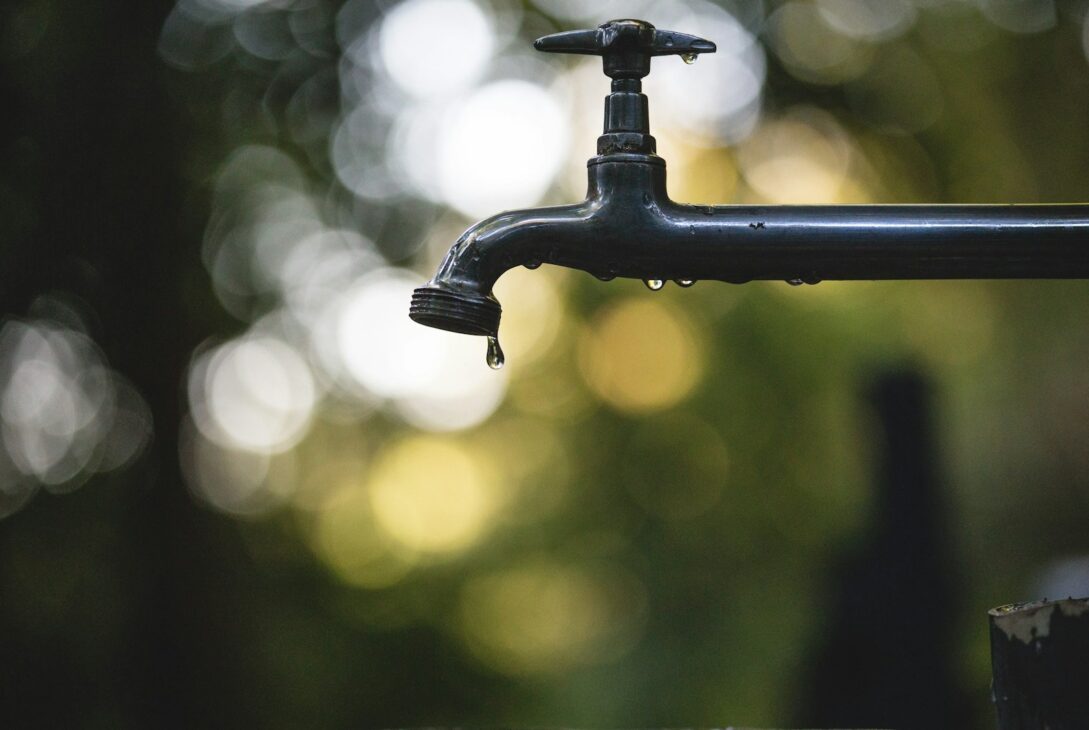
Water is one of the cheapest utilities and one of the easiest to waste. Most of the waste isn’t dramatic. It’s a faucet that drips all night, a toilet that quietly runs, a tap left on during a two-minute teeth-brushing routine. Together, those small leaks and habits show up on your bill and in the local water supply.
The good news is that a few low-cost changes can cut household water use noticeably, usually without changing how comfortable your home feels.
Start by Hunting Down Leaks
Leaks are the best place to begin because fixing them costs little and saves water around the clock. The US Environmental Protection Agency’s WaterSense program estimates that the average household loses nearly 10,000 gallons (roughly 37,000 liters) of water a year to leaks, and that about one in ten homes leaks 90 gallons or more a day.
A few examples from EPA figures show how fast small drips add up:
- A faucet dripping once per second can waste more than 3,000 gallons (about 11,000 liters) a year.
- A showerhead leaking ten drips a minute can waste over 500 gallons (about 1,900 liters) a year.
- A worn toilet flapper can silently leak thousands of gallons a year.
Three Quick Leak Tests
- Water meter test. Turn off every tap and appliance, note the reading on your water meter, wait an hour or two without using water, then read it again. If the number moved, you have a leak somewhere.
- Toilet dye test. Add a few drops of food coloring to the tank, wait ten minutes without flushing, and check the bowl. Color in the bowl means the flapper isn’t sealing. Flappers are cheap and easy to replace.
- Visual check. Look under sinks, around the base of toilets and along visible pipes for moisture, stains or corrosion.
If a leak is behind a wall or you aren’t confident handling plumbing, call a qualified plumber.
Upgrade the Biggest Water Users
Toilets, showers and faucets account for much of the water used inside a home. Products certified under programs such as WaterSense are independently tested to use at least 20 percent less water while performing as well as standard models.
- Showerheads: EPA estimates that swapping in a WaterSense showerhead can save the average family more than 2,700 gallons (about 10,000 liters) a year, plus the energy used to heat that water.
- Toilets: older models use far more water per flush. EPA estimates a family replacing old toilets with efficient ones could save about 13,000 gallons (roughly 49,000 liters) per year.
- Faucet aerators: a small, inexpensive screw-on part that mixes air into the flow, reducing water used without feeling much different.
Check local rebates. Some water utilities and municipalities offer discounts on efficient fixtures.
Change a Few Habits
Habits cost nothing and make a difference, especially across a whole household.
- Shorten showers. Cutting even a couple of minutes saves a lot over a year. A timer helps.
- Turn off the tap while brushing teeth, shaving or scrubbing dishes. EPA estimates that brushing twice a day and shaving a few times a week with the tap off can save thousands of gallons a year.
- Run full loads. Washing machines and dishwashers use roughly the same water for a half load as for a full one.
- Don’t pre-rinse excessively. Modern dishwashers handle scraped plates well. Scrape, don’t rinse.
- Catch the wait. Keep a bucket in the shower to collect water while it warms up, then use it for plants or cleaning.
- Use the right setting. Choose the load size or eco cycle that matches what you’re washing.
Be Smarter in the Kitchen
- Thaw food in the fridge instead of under running water.
- Keep a jug of drinking water in the fridge instead of running the tap until it turns cold.
- Rinse vegetables in a bowl rather than under a running tap, then use the leftover water on plants.
- Let cooled, unsalted cooking water, such as water from boiled vegetables or pasta without salt, go to your garden or houseplants.
Save Water Outdoors
Gardens and lawns can account for a big share of household water use, especially in warm, dry months.
- Water early or late. Less evaporates in the cool of the morning or evening.
- Water deeply but less often. This encourages deeper roots and healthier plants.
- Mulch your beds. A layer of mulch slows evaporation and suppresses weeds.
- Choose plants suited to your climate, especially drought-tolerant varieties in dry regions.
- Collect rainwater in a barrel where it’s permitted, and check irrigation systems for leaks. EPA notes a small leak in an irrigation line can waste thousands of gallons a month.
- Sweep, don’t hose. Use a broom for patios and driveways.
Know Where You Stand
Your water bill is the best scoreboard. Compare usage month to month and against similar households, if your utility offers that. Many utilities now offer online dashboards or alerts for unusual usage, which can reveal a hidden leak early. Set a modest goal, such as cutting use by 10 percent, and track your progress.
Pay Back Time: Which Changes Are Worth It First?
- Free: fix drips, shorten showers, run full loads, turn off taps.
- Cheap: flappers, aerators, efficient showerheads, a hose nozzle with a shutoff.
- Bigger spend: efficient toilets and washing machines, smart irrigation controllers.
Savings depend on your local water prices and household size, but leaks and showerheads tend to pay back fastest.
Frequently Asked Questions
Do low-flow fixtures reduce water pressure?
Quality efficient fixtures are designed to feel similar by mixing air into the flow or shaping the spray. Poorly made cheap ones can disappoint, so choose certified products.
How much water does a typical person use?
It varies widely by country, climate and lifestyle. Your own meter readings tell you more than averages.
Is it worth collecting rainwater at home?
It can be, for gardens and outdoor cleaning, especially where water is expensive or restricted. Check local rules and keep barrels covered to prevent mosquitoes.
What’s the single best first step?
Run the water meter test. Hidden leaks are the biggest avoidable waste in most homes.
Conclusion
Saving water at home mostly means fixing what’s silently wasting it and tweaking a few routines. This week, do the meter test and the toilet dye test. If both pass, you’ve protected your bill from the most common leaks, and you can move on to the easy habit changes.