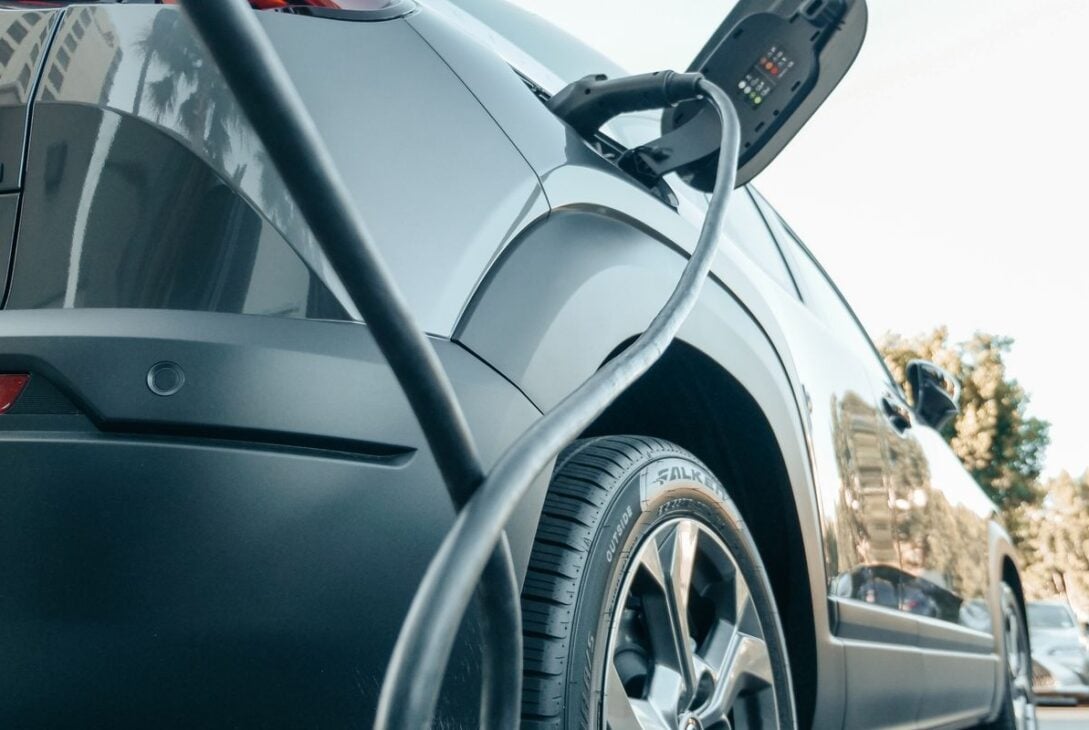
“Solid-state battery” has become one of the most repeated phrases in the electric vehicle world. Headlines promise cars that charge in ten minutes, travel 1,000 kilometers and never catch fire. Some of that is plausible. Some of it is marketing running well ahead of engineering.
This guide explains what a solid-state battery actually is, what the technology could deliver, where things stand in late 2026 and how to read the claims without getting swept up.
First, How Today’s Batteries Work
The lithium-ion batteries in phones, laptops and most electric cars have two electrodes, an anode and a cathode, separated by a liquid electrolyte. When you charge or discharge the battery, lithium ions travel through that liquid between the electrodes.
The liquid works well, but it has drawbacks. Most liquid electrolytes are flammable, which is why damaged or defective batteries can overheat and, in rare cases, catch fire. The liquid also limits how aggressively you can charge and which materials you can use.
What a Solid-State Battery Changes
A solid-state battery replaces the liquid electrolyte with a solid material, such as a ceramic, a sulfide compound or a polymer. That one change opens up some attractive possibilities:
- Higher energy density. A solid electrolyte can allow the use of lithium metal at the anode, which can store more energy in the same weight and space. That could mean longer range or smaller, lighter batteries.
- Faster charging. Some designs aim for an 80 percent charge in roughly 10 minutes or less.
- Improved safety. Solid electrolytes are generally less flammable than liquid ones, though “safer” doesn’t mean “risk-free.”
- Longer life. In theory, solid materials could resist some degradation mechanisms.
- Wider temperature range. Some designs are meant to work better in extreme heat or cold.
Why It’s So Hard to Build
If solid-state batteries are so good, why aren’t they everywhere? Because making them at scale is genuinely difficult.
- Interfaces. Solid surfaces don’t touch as perfectly as liquids flowing into every gap. Keeping good contact between layers, over thousands of charging cycles, is a major challenge.
- Dendrites. Thin spikes of lithium can grow through some solid electrolytes and cause short circuits.
- Materials. Sulfide electrolytes can perform well but need very dry manufacturing conditions and are expensive. Ceramics can be brittle.
- Manufacturing. New production lines and processes are needed. You can’t simply retrofit existing factories.
- Cost. Reports suggest some solid-state materials cost several times more than liquid electrolytes today.
Researchers have made real progress on all of these, but laboratory success doesn’t automatically translate to affordable mass production.
“Semi-Solid” Versus “All-Solid”: A Crucial Difference
Marketing often blurs two quite different products:
- Semi-solid-state (or quasi-solid) batteries use a gel-like or partly liquid electrolyte. They improve on conventional batteries in some respects and can be built with processes close to existing ones.
- All-solid-state batteries use a fully solid electrolyte. They offer the biggest potential benefits but are the hardest to manufacture.
When you see “solid-state,” check which one it is.
Where Things Stand in Late 2026
Reports from 2026 paint a picture of real progress with a long way still to go.
- Semi-solid batteries are already shipping. Chinese manufacturers have put semi-solid cells into production vehicles and large energy storage projects, including a sizeable storage station that came online in Inner Mongolia in late 2025.
- All-solid cells are in pilot stages. QuantumScape opened a pilot production line called Eagle Line in California in February 2026, producing cells for customer testing. That’s an important step, but it isn’t mass production. Samsung SDI has targeted 2027 for mass production of its all-solid cells, and Toyota has said it is working toward a first vehicle with an all-solid-state battery around the end of 2028.
- Timelines have slipped before. Analyses from research institutes such as Fraunhofer ISI have noted that earlier production targets were delayed by a year or two, and many industry observers expect widespread all-solid adoption to take until the end of the decade or later.
- The competition is strong. Conventional lithium-ion and lithium iron phosphate (LFP) batteries keep improving and getting cheaper, which raises the bar for newcomers.
As of 2026, some analysts argue that no all-solid-state cells are yet in ordinary customer cars, despite billions of dollars invested. Treat any claim of mass-market all-solid batteries “next year” with healthy skepticism.
How to Read the Headlines
- Check the type. Is it semi-solid or all-solid?
- Look for the stage. Lab sample, pilot line, test fleet and mass production are very different milestones.
- Look at the numbers. Energy density, charge time and cycle life should be given with test conditions.
- Ask about cost. A battery that costs several times more may only suit premium products at first.
- Be wary of “breakthrough” press releases, especially from companies seeking investment.
- Consider the source. Independent testing and peer-reviewed research carry more weight than company announcements.
Should You Wait to Buy an EV?
For most people, no. Today’s lithium-ion and LFP batteries are improving steadily, and a car that suits your needs now will serve you well. Waiting for a technology that may take years to reach affordable models can mean missing out on current benefits.
When choosing a car or battery product today, focus on:
- Real-world range and charging speed
- Warranty length and coverage for battery capacity
- Availability of charging where you live and travel
- Total cost of ownership
Beyond Cars
If solid-state batteries do mature, their impact could stretch well beyond cars:
- Phones and wearables with longer battery life or thinner designs
- Drones and electric aircraft, where weight matters enormously
- Grid storage, where safety and lifespan are valuable
- Power tools and e-bikes with faster charging
Some of these markets may adopt the technology earlier than mass-market cars, since they can tolerate higher costs for smaller batteries.
Frequently Asked Questions
Are solid-state batteries completely safe?
They are generally expected to be safer because they avoid flammable liquids, but real-world safety depends on the design, materials and manufacturing quality.
When will I be able to buy a car with a solid-state battery?
Cars with semi-solid batteries exist in some markets now. Cars with all-solid batteries are expected in limited numbers from around 2027 to 2029 by various companies, with broad availability likely later.
Will solid-state batteries be cheaper?
Not at first. Costs are expected to fall with scale, but early products will likely be pricey.
Do solid-state batteries last longer?
That’s a goal, but long-term durability still needs to be proven in real-world conditions.
Conclusion
Solid-state batteries are a real and promising technology, but the journey from lab to mass market is slow and uncertain. When you see the next big headline, ask three questions: is it semi-solid or all-solid, what stage is it at, and what does it cost. Those three answers will tell you most of what you need to know.
Company plans and timelines described here reflect reports from 2026 and may change. Check recent independent sources before making purchase decisions.