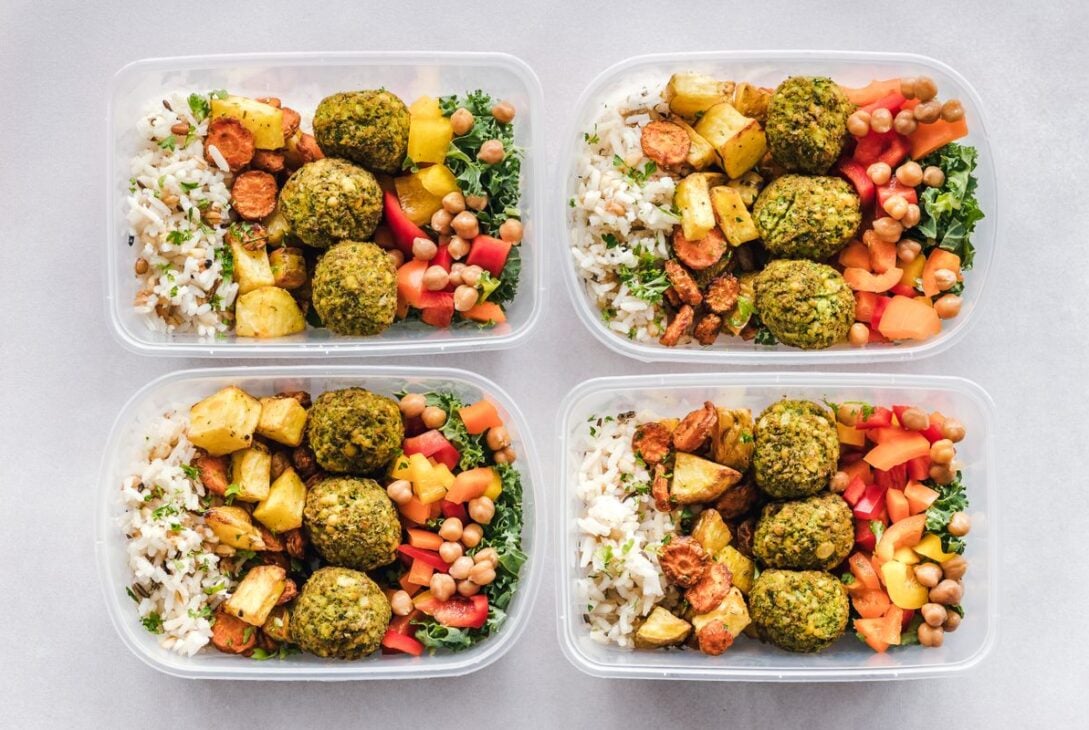
If you lift weights, run or just want to stay strong as you age, you’ve probably been told to eat more protein. The advice is sound. The trouble is that “high protein” in the shops often means expensive powders, bars and pre-packed chicken. The good news: some of the cheapest foods in the supermarket are also among the best protein sources, and a bit of cooking on one afternoon can set you up for the whole week.
This guide explains how much protein most active people need, which budget foods deliver it and how to batch-cook a simple week of meals.
How Much Protein Do You Actually Need?
Official recommendations for the general population are around 0.8 grams of protein per kilogram of body weight per day. That’s the amount meant to prevent deficiency, not necessarily the best amount for people who train hard.
Sports nutrition research suggests that people doing regular resistance training often do well with about 1.4 to 2.0 grams per kilogram per day, and analyses of strength-training studies suggest extra muscle gains level off around 1.6 grams per kilogram. For a 70-kilogram person, 1.6 grams per kilogram works out to about 110 grams a day.
A few caveats:
- These are general ranges, not personal prescriptions. Age, health, training and goals all matter.
- Spreading protein across meals, with roughly 25 to 40 grams per meal for many adults, is a practical approach.
- Protein supports muscle growth, but training, total energy intake and sleep matter just as much.
- If you have kidney disease or another medical condition, ask your doctor or a dietitian before increasing protein.
The Budget Protein Shopping List
These foods give a lot of protein per unit of money. Protein values are approximate and vary by brand and preparation.
- Eggs: about 6 grams each, versatile and cheap.
- Dried lentils, chickpeas and beans: roughly 15 to 18 grams per cooked cup, and very cheap when bought dried or in tins.
- Chicken thighs or drumsticks: often cheaper than breast, with around 25 grams of protein per 100 grams cooked.
- Canned tuna or sardines: about 20 to 25 grams per can, with a long shelf life.
- Greek yogurt or skyr: around 10 grams per 100 grams, and good value in large tubs.
- Cottage cheese: roughly 11 grams per 100 grams.
- Tofu: about 8 to 15 grams per 100 grams depending on firmness.
- Soya chunks (textured vegetable protein): very high in protein per dry weight and extremely cheap.
- Milk: about 8 grams per cup.
- Oats and peanut butter: modest protein, but they add up and cost little.
Choose the foods that fit your dietary rules, preferences and allergies. Everything in this plan can be adapted for vegetarian, halal or other dietary needs. Just swap the meat for beans, tofu, eggs or fish that suit you.
Plan the Week: The Five Building Blocks
Instead of cooking seven different dinners, prepare a handful of components and mix them in different ways.
- A big pot of lentil or chickpea stew. Cook onions, garlic, spices and tomatoes with lentils or chickpeas until thick. It freezes well and gives about 15 to 20 grams of protein per generous bowl.
- A tray of baked chicken thighs (or baked tofu). Season with spices and roast, then slice for bowls, wraps and salads.
- A dozen boiled eggs. They’re an instant snack or salad topper.
- A carbohydrate base. Cook a large batch of rice, potatoes or pasta, or all three over the week.
- Roasted vegetables in a mix that suits the season, such as carrots, peppers, courgettes and onions.
Add overnight oats or yogurt pots for breakfasts, and you’ve covered the day.
A Sample Week
The figures below are approximate protein totals per meal.
- Breakfast: overnight oats made with milk or yogurt, topped with fruit and a spoonful of peanut butter (about 20 to 30 grams).
- Lunch options:
- Chicken, rice and roasted vegetable bowl (about 35 to 40 grams)
- Lentil stew with rice and a boiled egg (about 30 grams)
- Tuna and bean salad with whole-grain bread (about 35 grams)
- Dinner options:
- Chickpea and spinach curry with rice (about 20 to 25 grams, add yogurt or a side of eggs to go higher)
- Baked chicken with potatoes and vegetables (about 35 to 40 grams)
- Tofu or egg stir-fry with vegetables and noodles (about 25 to 35 grams)
- Snacks: boiled eggs, Greek yogurt with fruit, cottage cheese on toast or a handful of roasted chickpeas.
Mix and match. Most days you’ll end up well within the ranges discussed above without counting every gram.
A Two-Hour Prep Session
- Preheat the oven. Season the chicken or tofu and put it on a tray. Add a second tray of chopped vegetables.
- Start the rice or potatoes. Put them on to cook while the oven works.
- Cook the stew. Sauté onions and spices, add lentils or chickpeas, tomatoes and water, and simmer until tender.
- Boil the eggs in a pot on the side.
- Assemble the oats or yogurt pots while everything cooks.
- Cool and portion. Divide food into containers once it stops steaming, and refrigerate or freeze.
Food Safety Basics
- Cool cooked food promptly and refrigerate within about two hours.
- Use refrigerated meals within three to four days, and freeze anything you won’t eat by then.
- Cool rice quickly and refrigerate it soon after cooking. Reheat until piping hot.
- Reheat leftovers until steaming hot throughout.
- Label containers with dates.
- When in doubt, throw it out.
Money-Saving Tips
- Buy dried legumes and grains in bulk. They’re among the cheapest foods per portion.
- Use frozen vegetables. They’re affordable, nutritious and reduce waste.
- Choose cheaper cuts and larger packs. Thighs, drumsticks and family packs often cost less per serving.
- Check store brands and discount sections. Quality is often similar.
- Season well. Spices, garlic, lemon and herbs make cheap ingredients taste great.
- Cook once, eat twice. Use leftovers in wraps, soups or salads.
- Plan before you shop, and stick to a list.
Do You Need Protein Powder?
Not necessarily. Powders are a convenient way to add protein, but whole foods usually work just as well and often cost less. If you do use one, check the label, choose a reputable brand and consider it a supplement to your meals, not a replacement.
Keep a Healthy Perspective
You don’t need to count every gram. Aim to include a protein source at every meal, eat plenty of vegetables and fruit, choose whole grains and drink enough water. If tracking food makes you anxious or leads to rigid rules about eating, step back and talk with a professional. Good nutrition should make life easier, not harder.
Frequently Asked Questions
Can I build muscle on a vegetarian diet?
Yes. Combining beans, lentils, tofu, dairy, eggs and grains throughout the day can meet protein needs. You may need to plan more carefully if you eat no animal products at all.
Is more protein always better?
No. Benefits level off, and too much can crowd out other nutrients. Stick to a sensible range.
How long will prepped meals last?
Generally three to four days in the fridge. Freeze extra portions.
Do I need to eat protein right after training?
Total daily protein matters more than exact timing. Eating a protein-rich meal within a few hours of training is a reasonable habit.
Conclusion
High-protein eating doesn’t have to be expensive. A few staples, one batch-cooking session and a handful of simple combinations can cover your week. This weekend, pick two components from the list, cook them in bulk and see how much easier weekday meals become.
This article offers general nutrition information, not medical advice. Consult a doctor or registered dietitian for guidance tailored to your health and needs.