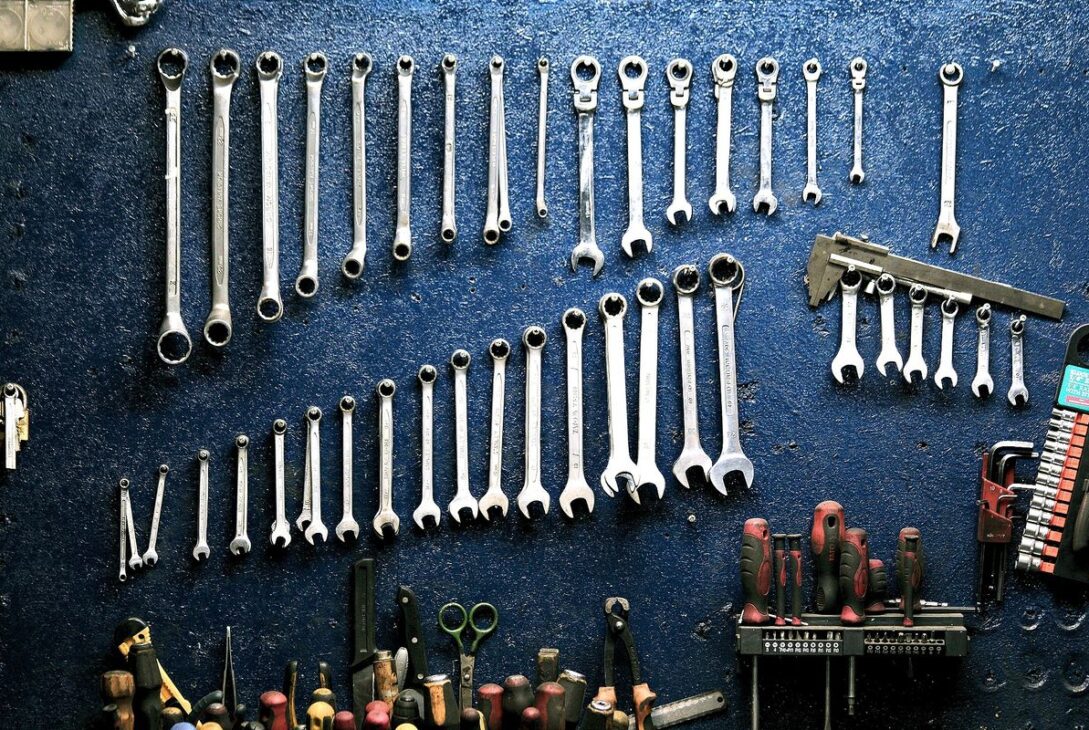
Think about the last time you needed a power drill. You probably used it for a few minutes to hang a shelf, then put it back in a cupboard where it will sit for a year or two. Multiply that by every ladder, carpet cleaner, pasta machine and camping stove in a neighborhood, and you get a lot of expensive stuff doing nothing.
Tool libraries and other sharing schemes offer a simple alternative: borrow what you need, return it when you’re done and let someone else use it next. It saves money, space and resources, and it often builds friendships along the way.
What Is a Tool Library?
A tool library works much like a book library. Members borrow tools for a set period, often for free or for a small fee or membership, then return them. Collections range from hand tools such as hammers, saws and spirit levels to power tools, garden equipment, ladders and sometimes specialist items like tile cutters or wallpaper steamers.
They’re run by a mix of organizations: nonprofits, community centers, public libraries, housing associations, cooperatives and groups of neighbors. Some are staffed by volunteers who also help with advice and demonstrations.
Beyond Tools: Libraries of Things
The same idea has expanded into “libraries of things,” where members borrow all kinds of items they only need occasionally:
- Camping and outdoor gear
- Kitchen equipment, such as pressure cookers, bread makers and large pots
- Party supplies and folding tables
- Sewing machines and craft tools
- Musical instruments
- Sports equipment and toys
- Cameras, projectors and other electronics
Alongside them, other forms of sharing are growing: repair cafés, clothing swaps, car and bike sharing, seed libraries and neighborhood sharing groups.
Repair Cafés: A Close Cousin
Repair cafés are free community events where volunteers help people fix broken items such as small appliances, clothes, bikes and electronics. The idea took off after the first events in Amsterdam in 2009, and thousands of groups now run them around the world. They pair well with tool libraries: borrowing tools to repair, and learning skills while doing it.
Why Sharing Makes Sense
It saves money
You pay a fraction of the cost of buying a tool you’ll use rarely. For people on tight budgets or in temporary housing, access to equipment can make home repairs and projects possible that otherwise wouldn’t be.
It saves resources
Every tool you don’t buy is a product that doesn’t have to be manufactured, shipped and eventually discarded. Sharing makes better use of what already exists and reduces waste.
It saves space
Small homes and apartments have limited storage. Borrowing frees up cupboards and garages.
It builds skills and confidence
Many libraries offer workshops, safety instruction and help from experienced members. Beginners can take on projects they might otherwise avoid.
It strengthens community
Borrowing from neighbors, or from a community-run library, creates connections. People meet, trade tips and help one another.
How to Find One Near You
- Search online for “tool library” or “library of things” with your town or city name.
- Ask at your public library, community center or local council. Some libraries run lending collections.
- Check neighborhood networks, local social groups and sharing communities where people offer and request items.
- Look for repair cafés and makerspaces, which often connect to sharing groups.
- Ask neighbors. Many people are happy to lend a ladder or drill, and you’ll often find someone who can offer help.
Borrowing Well
- Know what you need and how long. Borrow only what the job requires, and return items on time so others can use them.
- Ask for a demonstration if you’ve never used a tool.
- Use safety equipment. Wear eye protection, gloves and hearing protection when appropriate.
- Treat items with care. Return them clean, complete and in working order, and report any damage honestly.
- Read the terms. Understand what you’re responsible for if something breaks or is lost.
Starting Your Own Sharing Scheme
If there isn’t one near you, you can start small, and many successful libraries began with a handful of tools in a shed.
- Find partners. Recruit a few neighbors, a community group, a school or a local library.
- Test the interest. Ask people what they’d borrow and what they could donate.
- Choose a location. A garage, shed, community room or spare cupboard can work. You need dry, secure storage and easy access.
- Start with essentials. Popular items include drills, ladders, sanders, saws, gardening tools and basic hand tools. Quality matters more than quantity.
- Set simple rules. Decide on borrowing periods, fees or deposits, what happens with late returns and damage, and who is allowed to borrow what.
- Keep records. A spreadsheet or simple lending app helps track who has what and when it’s due.
- Plan for upkeep. Tools need cleaning, sharpening, battery charging and occasional repairs. Recruit volunteers with skills.
- Think about safety and insurance. Ask local authorities or an insurer about liability and what’s needed. Some libraries ask members to sign a waiver and restrict the most hazardous equipment to people who’ve had instruction.
- Spread the word. Use local noticeboards, social media, schools and community events.
Common Challenges and Fixes
- Damaged or lost items. Use deposits, clear rules and a repair fund. Most borrowers take good care of shared things.
- Volunteer burnout. Share responsibilities, rotate duties and recognize contributions.
- Funding. Small membership fees, donations, local grants and sponsorship from hardware stores can help.
- Safety concerns. Provide instructions, protective gear and training for power tools, and decline to lend equipment to people who aren’t ready to use it safely.
- Space limits. Focus on the items people borrow most, and consider partnering with other groups.
Sharing at Home and Among Neighbors
You don’t need a formal library to start. Try these simple steps:
- Make a list of items you own but rarely use, and offer them to neighbors.
- Ask before buying: “Does anyone have a ladder I could borrow this weekend?”
- Start a shared shelf or cupboard in your building for tools, books or kitchen gear.
- Host a swap event for clothes, toys, plants or books.
- Share bigger purchases, such as a lawn mower or pressure washer, with a neighbor.
Keep agreements friendly and clear. Say when you’d like things back, and be open about condition and any quirks.
When Ownership Still Makes Sense
Sharing isn’t right for everything. Items you use frequently, items that must fit you personally and items with hygiene concerns are usually better to own. The goal isn’t to give up everything you own, but to be thoughtful about what truly needs a place in your home.
Frequently Asked Questions
Do I have to pay to borrow?
It varies. Some libraries are free, others charge a small membership or per-item fee. Costs are usually much lower than buying.
What if I break a tool?
Report it honestly. Most libraries have repair processes, and normal wear is expected. Policies on negligence differ, so read the terms.
Can anyone start a tool library?
Yes, with some planning. Check local rules, think about insurance and start small.
Is it hygienic to share things?
For tools, wiping and cleaning between uses is usually enough. For items such as clothing or equipment worn on the body, follow clear cleaning rules.
Conclusion
Owning less and sharing more can save money, cut waste and create a stronger sense of community. Before your next purchase of a tool you’ll rarely use, ask whether you could borrow it instead. Search for a tool library near you or ask one neighbor if they have what you need. The best project might be the connection you make.