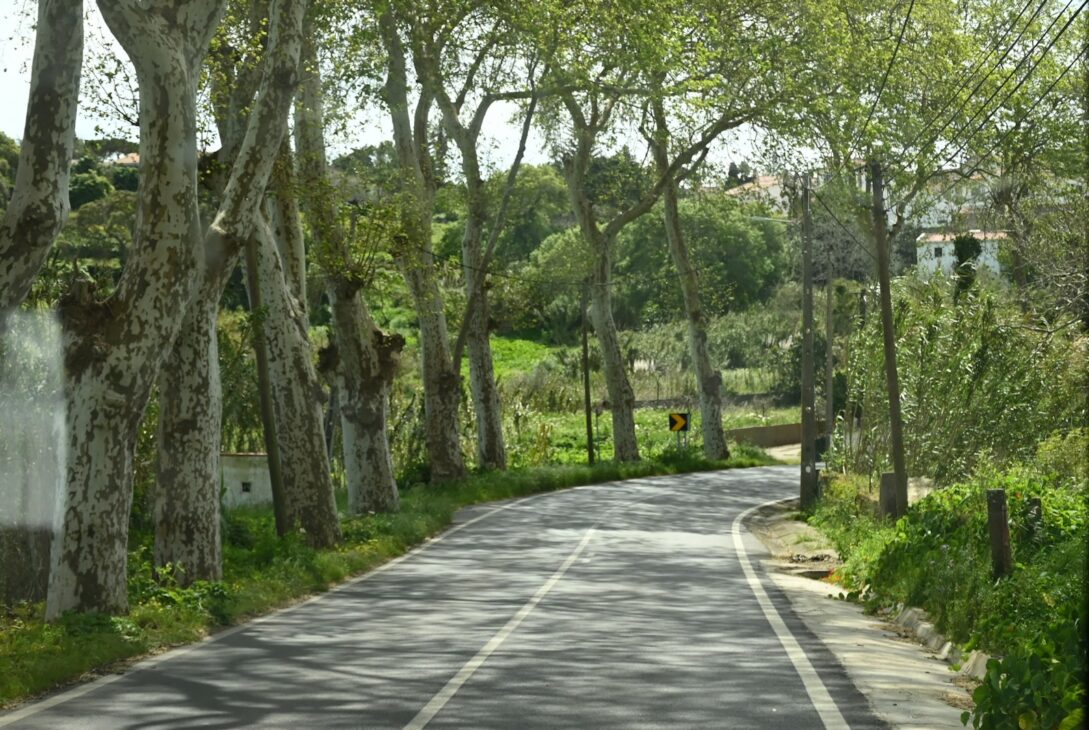
Step from a sun-baked parking lot into the shade of a mature tree and you feel the difference immediately. Now multiply that effect across a whole city. Streets lined with trees are noticeably cooler than bare, paved ones, and that difference matters more every summer as heat waves grow longer and more intense.
Here’s how urban trees keep cities cooler, what else they do and how communities and individuals can make the most of them.
Why Cities Run Hot
Cities are often several degrees warmer than the countryside around them, a pattern called the urban heat island effect. The US Environmental Protection Agency explains that heat islands occur when natural land cover is replaced by dense concentrations of pavement, buildings and other surfaces that absorb and retain heat. Without trees and soil to provide shade and release moisture, those surfaces bake in the sun and keep radiating heat well after sunset.
The consequences are real: higher energy bills for air conditioning, more air pollution and greater risks of heat-related illness, especially for older adults, young children and people with health conditions.
How Trees Cool Cities
Trees work in two main ways.
1. Shade
Leaves block sunlight before it reaches pavement, rooftops and walls. According to EPA figures, shaded surfaces can be 20 to 45°F (about 11 to 25°C) cooler than the peak temperatures of unshaded materials. Shaded walls may be 9 to 36°F (about 5 to 20°C) cooler than sunlit ones, which means less heat enters buildings.
2. Evapotranspiration
Trees pull water from the soil and release it as vapor through their leaves, a process called transpiration. Evaporating water uses up heat, which cools the surrounding air, much like sweat cools your skin. The EPA says evapotranspiration, alone or combined with shade, can reduce peak summer air temperatures by roughly 2 to 9°F (1 to 5°C).
One large review of 308 studies found that, on average, urban forests were about 3°F (1.6°C) cooler than urban areas without green cover. Results vary by climate, tree species, density and location.
Benefits Beyond Cooler Air
- Lower energy use. Trees that shade buildings reduce the need for air conditioning, which also cuts power plant emissions.
- Stormwater control. Trees intercept and absorb rain. The EPA reports urban trees can absorb roughly 15 to 27 percent of annual rainfall, easing pressure on drains and reducing flooding and pollution runoff.
- Cleaner air. Leaves capture some airborne particles and pollutants, though trees are not a substitute for cutting emissions.
- Carbon storage. Growing trees take up carbon dioxide, with storage varying with size and species.
- Wildlife habitat. Trees support birds, pollinators and other creatures.
- Quieter, calmer neighborhoods. Vegetation can soften noise, and green streets encourage walking and time outdoors.
The Fairness Question
Tree cover is rarely distributed evenly. EPA materials note that studies have found neighborhoods with less vegetation tend to be hotter, and that they are more likely to be home to lower-income residents and people from minority communities. That means the people with the least shade are often the ones with the fewest resources to cope with heat. Many cities now prioritize planting in the hottest, least shaded areas for that reason.
Trees Aren’t a Magic Fix
Trees help a lot, but planting them well takes thought.
- Water needs. Young trees need regular watering for the first few years, and in dry climates this can strain water supplies. Choosing drought-tolerant, climate-adapted species is essential.
- Right tree, right place. A tree too big for its spot can crack pavements or tangle with power lines. Roots need adequate soil space to thrive.
- Survival. Many street trees die young without care. Maintenance matters as much as planting.
- Time. Saplings offer little shade at first. Mature trees deliver the biggest benefits, which is why protecting existing ones is so important.
- Humidity. Evapotranspiration adds moisture to the air. The EPA notes the cooling benefit usually outweighs this, though it can matter in very humid places.
- Winter shade. In cold climates, deciduous trees that lose their leaves let winter sun through, while evergreens near south-facing windows may block it.
- Space. Dense old neighborhoods may have little room, which is where other strategies come in.
Other Ways Cities Cool Down
- Cool roofs: light-colored or reflective roofing that absorbs less heat.
- Green roofs and walls: planted surfaces that insulate and cool buildings.
- Cool pavements: lighter or permeable surfaces that stay cooler.
- Parks, courtyards and water features: open green spaces that provide relief.
- Shade structures: canopies at bus stops, playgrounds and markets while trees mature.
- Better urban design: orienting streets and buildings to catch breezes and limit sun exposure.
Most experts recommend combining these tools instead of relying on one.
What You Can Do
At home
- Plant a suitable tree where it will shade the west or east side of your home or a paved area. Choose a species adapted to your climate and soil, and check for power lines, pipes and property rules before digging.
- Water young trees properly, deeply and less often, and mulch around the base without piling it against the trunk.
- Protect existing trees. Avoid compacting soil around them or damaging roots during building work.
- Add climbing plants or shade sails to sunny walls and patios.
- Replace some paving with plants or permeable surfaces where possible.
In your community
- Join or start a neighborhood tree planting and care group.
- Ask your local council or municipality about street tree programs, free saplings and maintenance schedules.
- Support policies that protect mature trees and require shade in new developments, school grounds and car parks.
- Volunteer to water newly planted street trees during dry spells.
- Speak up for tree equity, so the hottest neighborhoods get shade first.
Staying Safe in the Heat Meanwhile
Shade helps, but extreme heat remains dangerous. In heat waves, drink water regularly, avoid strenuous activity during the hottest hours, check on elderly neighbors and relatives, and know the signs of heat exhaustion and heat stroke. Seek medical help for symptoms such as confusion, fainting or a very high body temperature.
Frequently Asked Questions
How many trees does a city need?
There’s no single number. Many cities set canopy targets, such as 30 percent or more of land area, adjusted for local climate and space. Priority areas are the hottest, least shaded neighborhoods.
Do trees always cool the air?
Generally yes, through shade and evapotranspiration, but the amount varies with species, size, density and weather.
What about drought-prone regions?
Use drought-tolerant native or adapted trees, efficient irrigation and mulching, and pair trees with other cooling strategies.
Are green roofs as good as trees?
They help, especially where there’s no room for trees, but large canopy trees often provide more shade at street level.
Conclusion
Trees are one of the cheapest, most multi-purpose cooling tools cities have. They shade, cool, cleanse and calm, as long as they’re planted well, cared for and shared fairly. This month, look at the hottest, barest spot near your home and ask who could help put a tree there.
Temperature figures are drawn from US Environmental Protection Agency materials and reflect typical findings. Actual results vary by location and conditions.