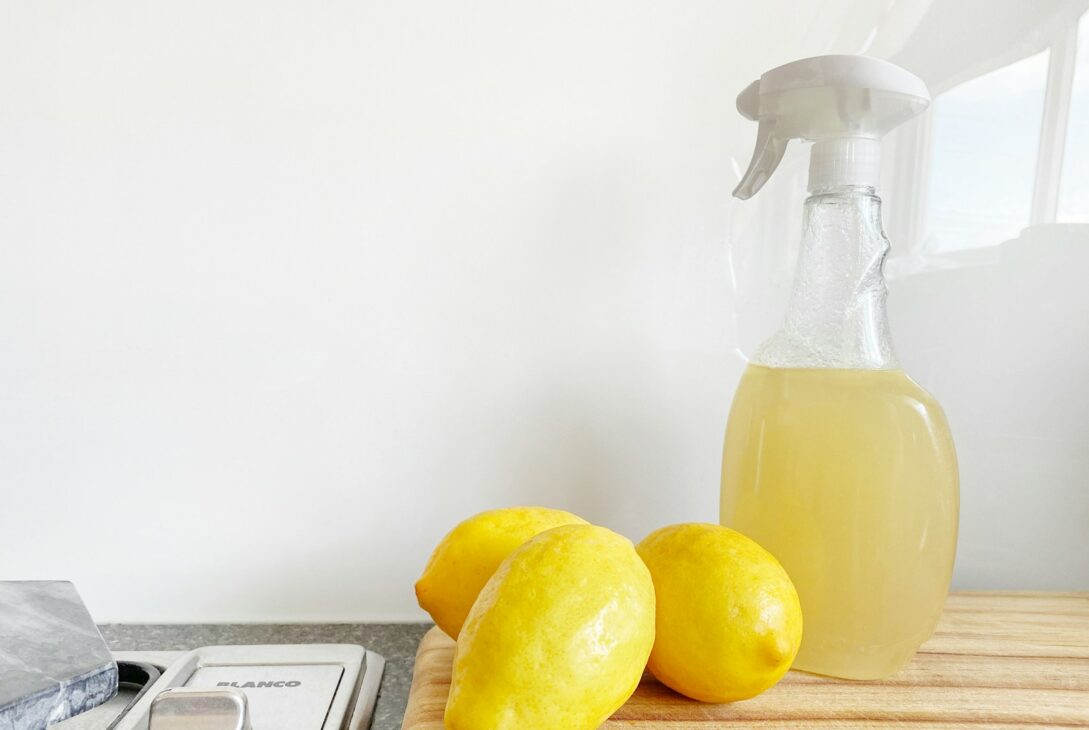
A cupboard full of specialized cleaners, each with its own plastic bottle, strong smell and warning label, isn’t actually necessary. Most everyday cleaning can be done with a handful of simple ingredients, good tools and a little technique. That means less packaging, fewer harsh fumes and often lower costs.
But “natural” doesn’t automatically mean safe or effective, and some homemade combinations are dangerous. This guide covers what works, what doesn’t and the mistakes to avoid.
Safety First: Never Mix These
Some common cleaning products produce toxic gas when combined. Remember these rules:
- Never mix bleach with ammonia. It creates toxic chloramine vapors.
- Never mix bleach with vinegar or other acids. It releases chlorine gas.
- Never mix hydrogen peroxide with vinegar in the same container. It can form a corrosive acid.
- Don’t combine different commercial cleaners unless the label says it’s safe.
Use one product at a time, rinse surfaces between products and keep the room ventilated. Store cleaners in their original containers or clearly labeled bottles, away from children and pets. If you feel dizzy, cough or have trouble breathing after using cleaners, get fresh air and seek medical help if symptoms continue.
Clean vs. Disinfect: Know the Difference
Cleaning removes dirt, grease and many germs by wiping them away. Disinfecting uses a registered product to kill germs on a surface. For most everyday household surfaces, regular cleaning with soap and water does the job. Disinfecting matters in particular situations, such as after handling raw meat on a countertop, when someone in the home has a contagious illness or in specific high-contact areas.
Vinegar, lemon juice and baking soda are good cleaners, but they aren’t registered disinfectants. If you need to disinfect, use a product approved for the purpose in your country, and follow the label for dilution and contact time, which is how long the surface must stay wet.
A Small Set of Ingredients
- Soap or mild dishwashing liquid: cuts grease and cleans most surfaces. The most versatile item on the list.
- White vinegar: dissolves mineral deposits and limescale and cuts some soap scum. Avoid it on natural stone such as marble and granite, unsealed grout, waxed or hardwood floors and some rubber seals.
- Baking soda (bicarbonate of soda): a gentle abrasive and deodorizer for scrubbing sinks, pans and ovens.
- Washing soda (sodium carbonate): stronger than baking soda, useful for laundry and heavy grease. Wear gloves, and don’t use it on aluminum.
- Lemon juice or citric acid: descales kettles and freshens surfaces.
- Hydrogen peroxide (3 percent): a mild stain remover and brightener, stored in its dark bottle.
- Microfiber cloths, brushes and sponges: the right tools matter as much as the ingredients.
- Hot water and elbow grease.
Simple Recipes and Methods
All-purpose cleaner
Mix a few drops of dishwashing liquid with warm water in a spray bottle. It handles counters, appliances and most surfaces. For a vinegar version, mix equal parts water and white vinegar, but skip it on stone, unsealed wood and electronics. To add scent, steep citrus peels in the vinegar for a couple of weeks and strain before diluting.
Glass and mirrors
Use a mix of water with a small amount of vinegar, or a drop of dishwashing liquid, and wipe with a clean microfiber cloth or newspaper-free lint-free cloth. Dry quickly to avoid streaks.
Scouring paste
Mix baking soda with just enough water to make a spreadable paste. Scrub sinks, tubs and pots, then rinse. Test first on delicate surfaces, since baking soda can scratch some finishes.
Limescale on kettles and taps
Fill a kettle with equal parts vinegar and water, bring to a boil, let it sit, then rinse thoroughly and boil fresh water once or twice before use. For taps, wrap a vinegar-soaked cloth around the fitting for 30 minutes, then wipe. Citric acid works well too.
Shower and bathroom
Wipe surfaces after showering with a squeegee to reduce soap scum and mildew. For stubborn spots on suitable surfaces, spray with vinegar solution, wait, then scrub gently. Keep the room ventilated to prevent mold.
Drains
Prevention beats cure: use drain strainers, and flush with hot water regularly. The fizzy baking soda and vinegar trick may freshen a drain but rarely clears a real blockage. A plunger or drain snake is more effective. Avoid harsh chemical drain openers, which can damage pipes and are hazardous.
Floors
Sweep or vacuum first. Mop with warm water and a small amount of mild soap or a cleaner designed for your floor type. Check manufacturer guidance for wood and stone.
Laundry Swaps
- Wash in cool or cold water. Most energy goes to heating water, and many detergents work well in cold.
- Run full loads and use the right amount of detergent. More isn’t better.
- Choose plant-based, concentrated or refillable detergent where possible, and look for low-packaging options such as powders in cardboard.
- Skip fabric softener or use a small amount of white vinegar in the rinse, which many people find softens fabric. Don’t mix it with bleach.
- Dry on a line or rack when possible, or use wool dryer balls.
- Use a microfiber filter bag or filter to catch synthetic fibers from washing, since these contribute to microplastic pollution.
Buying Greener Products
When you do buy cleaning products, a few tips help:
- Look for trusted eco-labels, such as the EU Ecolabel, Nordic Swan, Blue Angel or the US EPA Safer Choice label. They require products to meet standards for ingredients and environmental impact.
- Choose concentrates and refills, which cut packaging and shipping weight.
- Beware of vague claims like “natural,” “eco” or “green” without evidence. These terms aren’t regulated in many places.
- Read the ingredients and instructions. A plant-based product can still irritate skin or eyes.
- Buy fewer products. A single all-purpose cleaner and one bathroom cleaner are enough for many homes.
Be Mindful With Fragrance and Essential Oils
Essential oils smell pleasant, but they aren’t harmless. They can irritate skin and airways and may be harmful to pets, especially cats. If you or someone in your home has asthma, allergies or sensitivities, go unscented or use very small amounts, and keep the area ventilated.
Cleaning Habits That Cut Chemicals
- Clean as you go. Wipe spills right away so they don’t set.
- Use door mats and take off shoes to keep dirt out.
- Vacuum regularly, ideally with a filter that traps fine dust.
- Let cleaners sit. A few minutes of contact time loosens dirt, so you scrub less.
- Use the right cloth. Microfiber lifts dust and grime with just water on many surfaces.
- Wash cloths regularly and replace worn ones.
- Ventilate when you clean, even with milder products.
Frequently Asked Questions
Is vinegar a good disinfectant?
It’s a decent cleaner, but it isn’t a registered disinfectant and doesn’t kill all germs. Use an approved product when disinfection is needed.
Are homemade cleaners cheaper?
Often yes, especially vinegar, baking soda and soap. But a cleaner that doesn’t work well can end up costing more in time and effort.
Can natural cleaners damage surfaces?
Yes. Acids like vinegar and lemon can etch stone and some finishes. Test on a hidden spot first.
Are green products safe for kids and pets?
They can be gentler, but all cleaning products should be stored out of reach and used as directed.
Conclusion
You don’t need a cupboard full of bottles to keep a home clean. Start with soap, vinegar, baking soda and a few good cloths, learn what not to mix and use stronger products only when you need them. This week, finish one half-used cleaner without replacing it, and see how far the simple set takes you.
This article offers general household guidance, not medical or safety advice. Always follow product labels and local guidance, and seek medical help if you suspect exposure to harmful fumes.