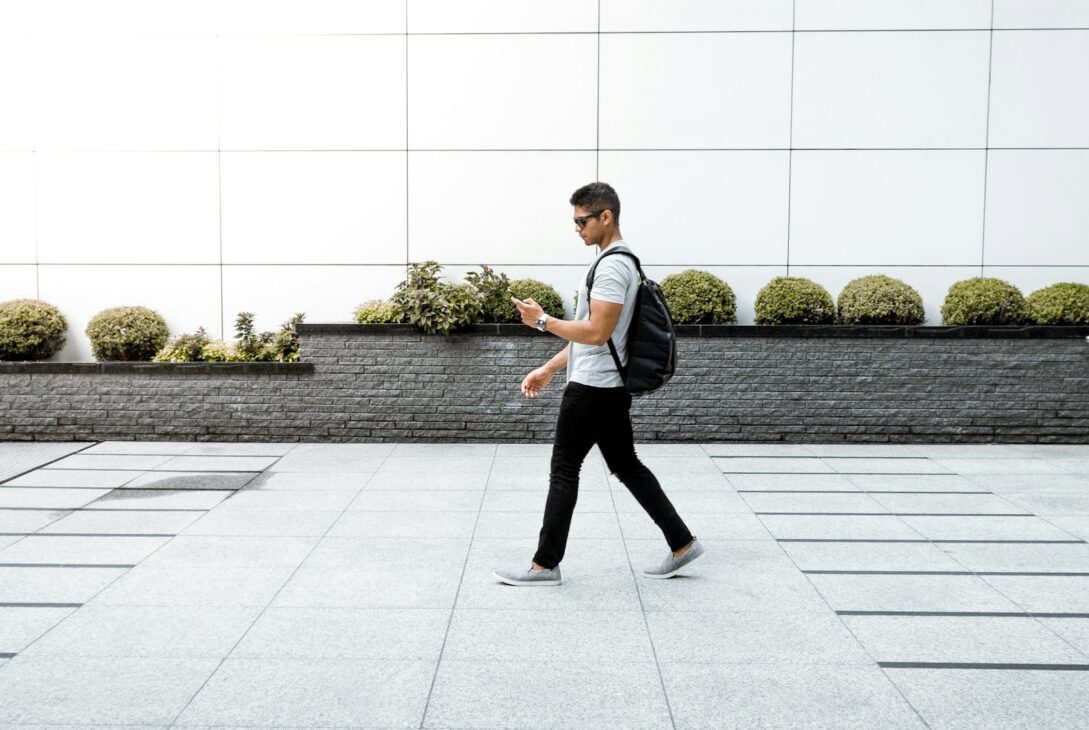
Traveling alone is one of the most rewarding ways to see the world. You set the pace, change plans freely and meet people you might never talk to in a group. It also means nobody is watching your bag or double-checking your decisions, so a few good habits matter.
The aim isn’t to be afraid. Most trips go smoothly, and most places are welcoming. These practical habits simply stack the odds in your favor wherever you go.
Before You Leave
- Read official travel advice. Your government’s foreign travel advisory covers local risks, entry rules, health notices and emergency contacts. Check it again shortly before departure, since situations change.
- Share your itinerary. Give a trusted person your flight details, accommodation addresses and rough plans. Agree on how often you’ll check in.
- Make copies of key documents. Keep digital copies of your passport, visas, insurance and bookings in secure cloud storage, and carry a paper copy separately from the originals.
- Get insurance. Medical cover, emergency evacuation and theft protection matter more when you’re alone. Read what the policy covers before you buy.
- Learn the basics. A few words of the local language, local emergency numbers and how taxis and public transport work will make arrival less stressful.
- Pack light. A bag you can carry easily keeps you mobile and less of a target.
Choose Your Accommodation Carefully
Where you sleep sets the tone for your whole trip.
- Read recent reviews, especially from other solo travelers, and look for comments on safety, staff helpfulness and neighborhood.
- Choose a well-lit area near transport, and check the route from the station or airport.
- Prefer places with a 24-hour front desk, working door locks and secure storage.
- Keep the address and phone number saved in the local language, so you can show it to a driver.
- Know the exits, and don’t announce your room number to strangers.
Arrive Smart
Arrival is when you’re most tired and most noticeable. Try to land or arrive in daylight. Arrange airport transfers in advance, or use official taxi stands and reputable ride-hailing apps instead of accepting offers from people approaching you. Check the license and the car before getting in, and share your trip details with someone you trust.
Blend In and Stay Aware
- Dress like locals. Observe what people wear and follow local norms, which also shows respect.
- Walk with purpose. Look at maps in a shop or café instead of standing on a corner with your phone out.
- Keep your head up. Avoid wearing both earbuds in busy or unfamiliar areas.
- Trust your instincts. If a place or situation feels wrong, leave. You don’t owe anyone politeness at the expense of your safety.
- Plan your evenings. Know how you’ll get back to your accommodation before you go out, and avoid walking alone late at night in unfamiliar areas.
Protect Your Money and Belongings
- Split your cash and cards. Keep a spare card and some emergency cash in a different place from your main wallet.
- Carry only what you need for the day and leave passports in a hotel safe when local rules allow, carrying a copy instead.
- Use bags that zip or close securely, worn in front in crowds. Don’t hang bags on the back of chairs.
- Use ATMs inside banks or well-lit, busy places, and cover your PIN.
- Keep valuables out of sight. Flashy jewelry and expensive phones draw attention.
Stay Digitally Safe
- Back up your phone, enable a screen lock and turn on “find my device”.
- Use a VPN on public Wi-Fi, and avoid banking on shared networks.
- Don’t post your live location. Share photos after you’ve left a place.
- Keep a portable battery. A dead phone is a safety risk when it’s your map and translator.
- Download offline maps and translation packs before you go.
Know the Common Scams
Scams vary by destination, but patterns repeat:
- The overly friendly stranger who steers you to a particular shop, tour or restaurant.
- Taxi tricks such as “broken” meters or detours. Agree on a price or insist on the meter, or use an app.
- Distraction scams, such as spilled drinks, found rings or staged arguments, which cover pickpockets.
- Fake officials who ask to see your wallet or documents. Ask for ID, and ask to go to a police station.
- Closed-attraction claims from someone who then offers an “alternative”.
A polite, firm “no, thank you” and walking on is usually enough. Search for the destination’s current common scams before you go.
Meet People Safely
One of the joys of solo travel is meeting others. Do it with sensible limits:
- Meet new acquaintances in public places, and tell someone where you’re going.
- Don’t share your accommodation details with people you’ve just met.
- Never leave food or drinks unattended, and don’t accept them from strangers you don’t trust.
- Join group tours, classes or hostel activities to meet people in structured settings.
- Be wary of anyone who pressures you to move to a private location or change plans quickly.
Look After Your Health
- Carry essential medication in its original packaging, with a copy of any prescriptions. Check whether it’s legal in your destination.
- Know the nearest hospital or clinic and how to call emergency services locally.
- Take care with water and food hygiene, and rest when you need to. Fatigue leads to poor decisions.
- Check recommended vaccinations with a travel clinic well before departure.
Have an Emergency Plan
- Save local emergency numbers, your embassy’s contact details and your insurer’s assistance line.
- Memorize or write down one trusted person’s number in case your phone is lost.
- If your passport is lost or stolen, report it to local police and contact your embassy.
- Keep a small emergency fund separate from your main money.
Frequently Asked Questions
Is solo travel safe for everyone?
Safety varies by destination, individual circumstances and local laws and attitudes. Research carefully, especially if you’re traveling as a woman, a minority or a member of a group that faces particular risks in some places.
What if I feel lonely?
Build in social time: group tours, cooking classes, hostel common rooms, volunteering or language exchanges. It’s also fine to call home.
Should I tell people I’m traveling alone?
Not necessarily. You can say friends are meeting you later if that feels safer, and keep your plans vague with strangers.
What’s the single most useful habit?
Sharing your plans with someone and checking in regularly. It’s simple and makes help much quicker if something goes wrong.
Conclusion
Good solo travel safety comes from small, repeatable habits: research, sensible accommodation, awareness, backups and a plan for emergencies. Before your next trip, write down your emergency contacts and share your itinerary. Then go and enjoy it.
This article offers general information, not personal safety or legal advice. Always check current official travel advice for your destination.