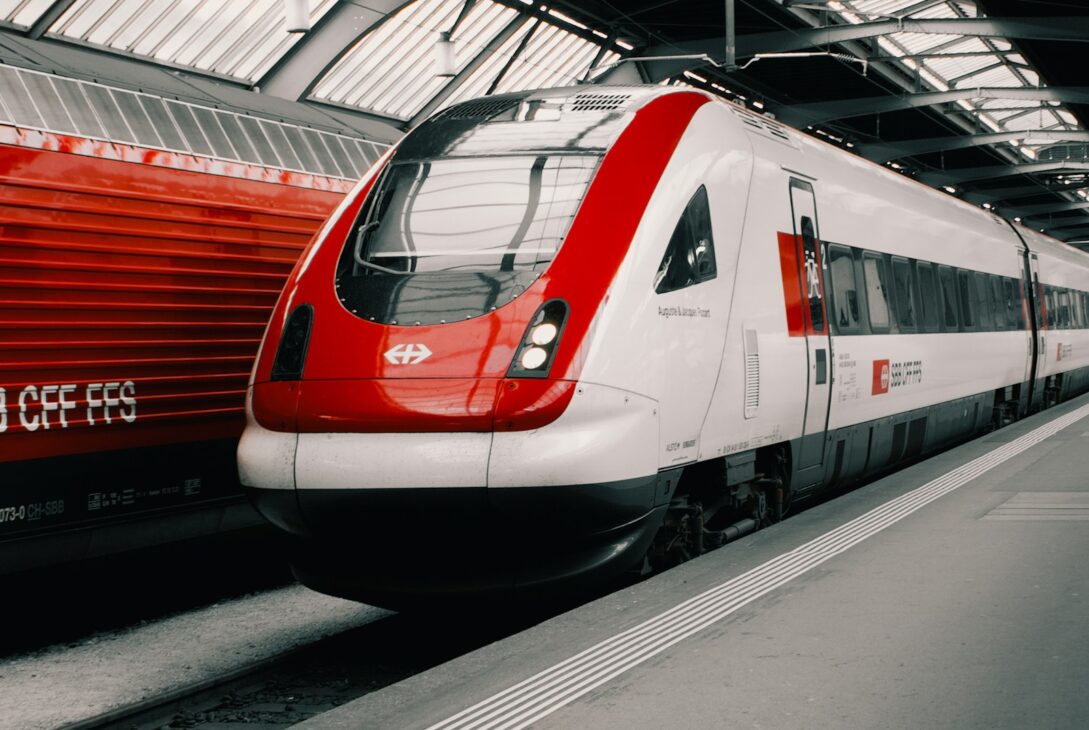
Europe is one of the best places in the world to travel by train. Cities sit close together, stations are in the middle of town, and a morning departure can put you in a different country by lunch. The tricky part is planning: passes, reservations, fares and border rules can all seem confusing at first.
This guide covers how to choose between a rail pass and individual tickets, how reservations work, how to build a sensible route, and what has recently changed. Details move quickly, so confirm prices and rules on official sites before you book.
A Big Recent Change: One Pass for Everyone
For decades, Europeans used the Interrail pass while visitors from outside Europe used Eurail. In September 2026, the two brands merged. From 9 September 2026, anyone can buy an Interrail pass, regardless of nationality or country of residence. It covers 33 countries, and you can buy up to 11 months before your start date. Mobile passes let you choose a start date after purchase.
Youth passes apply to travelers aged 12 to 27 on the first day of validity, and senior discounts apply from age 60. Children’s passes are available too, with rules on how many children can travel with an adult.
Pass or Point-to-Point Tickets?
A rail pass isn’t automatically cheaper. It depends on how many long trips you plan and how flexible you want to be.
A pass makes sense when:
- You’re traveling to many cities across several countries.
- You want to decide day to day without buying new tickets each time.
- Your journeys are long and walk-up fares are high.
Individual tickets make sense when:
- You have a fixed itinerary of only a few trips.
- You can book early. Advance fares on many routes, including some high-speed lines, can cost far less than the cost of a pass day.
- You’re staying mostly in one country with good regional passes or day tickets.
The honest way to decide is to price your route both ways. List your journeys, check advance fares on the relevant national railway websites, and compare the total with the pass price.
Understanding Pass Types and Prices
- Global Pass: covers all participating countries. You pick either a set number of travel days within a window (for example, four days within one month) or continuous travel for a period such as 15 days, 22 days or a month.
- One Country Pass: covers one country, which can be good value for a deep exploration of Italy, Spain or Germany, for instance.
As a rough guide, published 2026 prices for an adult second-class Global Pass started at about 283 euros for four travel days within a month and rose to around 694 euros for a month of continuous travel, with first class costing more. Prices change, and sellers add options, so treat these as a ballpark and check the official site.
A “travel day” on a flexible pass is a calendar day, and overnight trains have special rules for how they count. Read the conditions before you rely on them.
Reservations: The Part People Forget
A pass lets you board many regional and intercity trains freely, but many high-speed and night trains require a seat or couchette reservation on top of the pass. That’s common on services in France, Italy, Spain and on international express trains.
- Reservation fees vary widely. For example, a mandatory reservation on the Paris to Barcelona high-speed service has been listed at around 35 euros, while some routes charge only a few euros.
- Booking through the pass provider’s reservation system adds a small booking fee per passenger per train. Reserving at a station or with the national railway can sometimes be cheaper, though prices and rules vary.
- Popular trains sell out, especially in summer. Reserve early for key legs.
- Night trains need a reservation, and sleepers or couchettes carry extra supplements that can range from tens of euros upward.
Build the reservation costs into your budget when comparing a pass with regular tickets.
Plan a Sensible Route
Start with an anchor idea, then connect the dots using major rail hubs. Here are a few classic loops to give you a feel:
- Western Europe classic: Paris, Brussels, Amsterdam, Cologne, then Frankfurt or Berlin.
- Central Europe: Berlin, Prague, Vienna, Budapest, with an optional side trip to Krakow.
- Southern Europe: Barcelona, Madrid, then onward via France or Italy by train.
- Italy deep dive: Milan, Venice, Florence, Rome, Naples.
- Alpine route: Zurich, Lucerne, Interlaken, with scenic panoramic trains.
Some tips for building yours:
- Don’t overpack the schedule. Stay at least two nights in most places. Constant packing wears you out.
- Prefer journeys of two to five hours, where trains compete best with planes.
- Leave buffers for connections and the possibility of delays.
- Use night trains selectively. They save a hotel night but can be more expensive, and sleep quality varies.
- Mix big cities with smaller ones, which are often cheaper and calmer.
Useful Tools and Resources
- The Interrail Rail Planner app shows timetables and which services accept your pass.
- National railway apps and sites such as Deutsche Bahn, SNCF Connect, Trenitalia and Renfe give accurate timetables and advance fares.
- Seat61, a long-running independent guide, explains how to book specific international trains and pass rules in detail.
- Offline maps and screenshots of your tickets and platform info help when signal is poor.
Travel Tips From the Platform
- Arrive early at big stations, since platform numbers often appear shortly before departure.
- Validate your ticket or pass when required. Fill in the pass travel-day log carefully, since errors can lead to fines.
- Keep valuables close in busy stations and on night trains.
- Check for strikes and engineering works before you travel, since both can disrupt trains across Europe.
- Pack light enough to lift your bag onto a rack by yourself.
Border and Entry Rules
Many European countries are in the Schengen Area, where internal border checks are usually minimal, though checks can be reintroduced temporarily. For visitors who don’t need a visa, the EU’s Entry/Exit System has been rolling out since October 2025. It records biometric details such as fingerprints and a facial image when you enter the Schengen area.
A separate travel authorization, ETIAS, has been planned for years. As of late 2026, reports say the EU has dropped its previous late-2026 launch estimate and hasn’t announced a new start date, so most visa-exempt travelers don’t need it yet. Check the official EU and national government pages before you travel, and make sure your passport has enough validity for the countries on your route.
Budget Tips
- Compare advance tickets with passes for each long leg.
- Travel off-peak when possible. Midweek and early-morning trains are often cheaper.
- Look at youth and senior discounts, group fares and regional day passes.
- Pack a picnic from a market. Station food can be expensive.
- Use free walking tours and public transport passes to keep city costs down.
Frequently Asked Questions
Do I need to book everything in advance?
No. Many regional trains need no booking, but high-speed and night trains often do. Book key long legs early and keep other days flexible.
Is first class worth it?
It offers more space and quieter carriages. It’s a comfort choice, not a necessity, and the price gap varies by country.
Can I use a pass for the UK?
Interrail covers Great Britain, but not every country in the same way, and Eurostar needs a reservation. Check the pass conditions for the UK before relying on it.
What if my train is delayed or canceled?
Ask staff or check the app for the next connection. Passengers in the EU have rights to assistance and compensation in many circumstances, with rules depending on the operator and journey.
Conclusion
Great European rail travel is mostly planning: choose a realistic route, price a pass against individual tickets, remember reservations and check entry rules before you leave. Pick three cities you’d love to link by train, price the journeys both ways and see which option wins.
Prices, passes and border rules change often. This article reflects information available in late 2026, so confirm details with official sources before booking.