Many people like the idea of cycling to work but never start. The reasons are familiar: traffic feels scary, the weather is unpredictable, there’s nowhere to shower, and it’s unclear what gear is actually needed. Those worries are real, but nearly all of them have practical answers.
This guide shows how to make the switch step by step, with safety first and without the pressure to commit every day.
Why Bother?
- Lower costs. No fuel, parking or public transport fare, and bikes are cheap to maintain compared with cars.
- Fewer emissions. Replacing short car trips with cycling cuts the carbon and air pollution of your commute.
- Built-in exercise. Health guidelines recommend about 150 minutes of moderate activity a week for adults. A 20-minute ride each way on five days gets you most of the way there.
- Predictable travel time. Bikes skip traffic jams, and door-to-door times in cities are often competitive over short distances.
- Mood and energy. Many people find they arrive more alert and less stressed.
Step 1: Check If It’s Realistic
Start with distance and terrain. Most people find rides up to about 8 kilometers (5 miles) comfortable on a regular bike, and longer with an electric bike. Use a mapping app with cycling directions to estimate time, and look at hills and road types. Don’t worry if your whole route isn’t perfect. You can combine cycling with a bus or train for part of the trip.
Step 2: Plan a Safer Route
The shortest route isn’t always the best one. Look for:
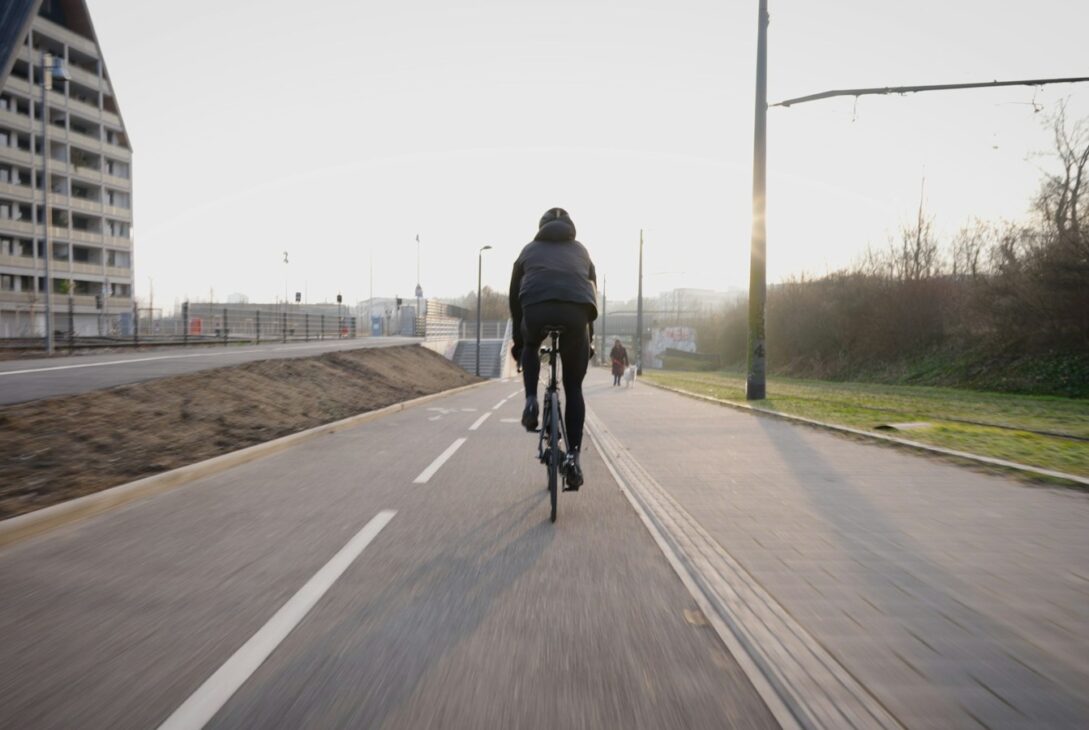
- Dedicated bike lanes or paths
- Quiet side streets with low traffic speeds
- Parks, greenways and canal paths
- Safer crossings and fewer complicated junctions
Test your route on a weekend when traffic is lighter, and time it. Note tricky spots, such as busy roundabouts, and plan an alternative, including where you could walk the bike through a tricky section.
Step 3: Choose the Right Bike
You don’t need an expensive bike. A reliable, comfortable one you’ll actually use is best.
- Hybrid or city bike: upright position, sturdy tires and mounts for racks and mudguards. A great all-rounder.
- Road bike: fast on smooth roads but less practical for carrying things.
- Folding bike: useful if you combine cycling with trains or have little storage space.
- Electric bike: a motor assists your pedaling, making hills, headwinds and longer distances easier, and helping you arrive less sweaty. Check local rules for speed and licensing.
Make sure the bike fits. A shop can adjust saddle height and handlebars so you’re comfortable and efficient. Secondhand bikes are a sustainable choice. Have a mechanic check one before buying.
Step 4: Get the Essential Gear
- Helmet: a well-fitting one reduces the risk of head injury. Some places require them by law, so check local rules.
- Lights: a white front light and a red rear light, even in daytime when visibility is poor. Rechargeable lights are common and cost-effective.
- Reflective or bright clothing and reflectors, especially after dark.
- A good lock: a sturdy U-lock or folding lock. Secure the frame and a wheel to a solid, fixed object in a visible place.
- Mudguards: keep you cleaner on wet roads.
- A rack and panniers or a backpack: carrying weight on the bike is more comfortable than on your back.
- Basic repair kit: spare inner tube, tire levers, a mini pump and multi-tool.
Step 5: Ride Defensively and Predictably
- Be visible. Ride where drivers can see you, and avoid blind spots beside large vehicles.
- Be predictable. Hold a steady line, signal turns clearly and obey traffic signals.
- Watch for opening car doors. Leave about a meter’s gap beside parked vehicles.
- Take extra care at junctions, where many collisions happen. Make eye contact with drivers where you can.
- Keep your hands near the brakes and look ahead for potholes, drains and wet surfaces.
- Avoid headphones that block out traffic sounds.
- Be courteous to pedestrians on shared paths, slowing down and using a bell.
Traffic laws and cycling infrastructure vary by country, so learn the local rules. Consider a cycling skills course if available. Many cities and clubs offer them for adults.
Step 6: Deal With Weather and Sweat
- Rain: a waterproof jacket, trousers and shoe covers keep you dry. Brake earlier on wet roads.
- Cold: layer up and cover your hands, ears and neck. Dress for the first few minutes feeling a bit cool, as you’ll warm up.
- Heat: ride at a relaxed pace, wear breathable clothing, carry water and use shade where possible. Consider earlier or later rides in very hot climates.
- Sweat: ride more slowly, or use an electric bike. Keep a change of clothes and a small towel at work, and use a travel-size deodorant. If your workplace has showers or lockers, even better.
- Clothing: ordinary clothes work for short rides. Keep skirts, long coats and loose trousers from catching in the chain with clips, guards or tucked hems.
Step 7: Keep Your Bike in Shape
A quick check before riding takes a minute. A simple routine is the ABC check:
- A for Air: check tire pressure and look for cuts or embedded debris.
- B for Brakes: squeeze the levers and make sure the pads grip the wheel or disc properly.
- C for Chain: look for rust or dryness and lubricate when needed. Wipe off excess oil.
Also check that wheels are secure, lights work and nothing is loose. Get a professional service once a year, or sooner if you ride daily.
Step 8: Start Small
You don’t have to commute every day. Build the habit gradually:
- Week 1: ride your route on a weekend.
- Weeks 2 to 3: commute one day a week, choosing fine weather.
- Weeks 4 to 6: add a second or third day.
- After that: set a realistic target and ride when conditions suit you.
Combine cycling with public transport on bad days, or use a “ride one way” approach if time is tight.
Common Worries, Answered
What if my bike gets stolen?
Use a quality lock, lock it properly in a visible place, take lights and accessories with you, and consider insurance or registering the bike’s serial number.
Is cycling dangerous?
Cycling carries risks, but well-planned routes, good lights, a helmet and defensive riding reduce them significantly. Quiet routes and dedicated lanes help most.
Am I fit enough?
Almost certainly. Start slowly, use low gears and take breaks. Fitness builds quickly. An electric bike removes most barriers.
What if I have to dress formally?
Many people ride in work clothes at a gentle pace, or carry them in a pannier and change on arrival.
Conclusion
Bike commuting works best as a gradual habit built on a safe route, reliable gear and realistic expectations. This weekend, ride your route once at an easy pace. If it feels manageable, try one commute next week and see how it goes.
This article offers general information, not safety or medical advice. Follow local traffic laws and, if you have a health condition, check with your doctor before starting a new exercise routine.