

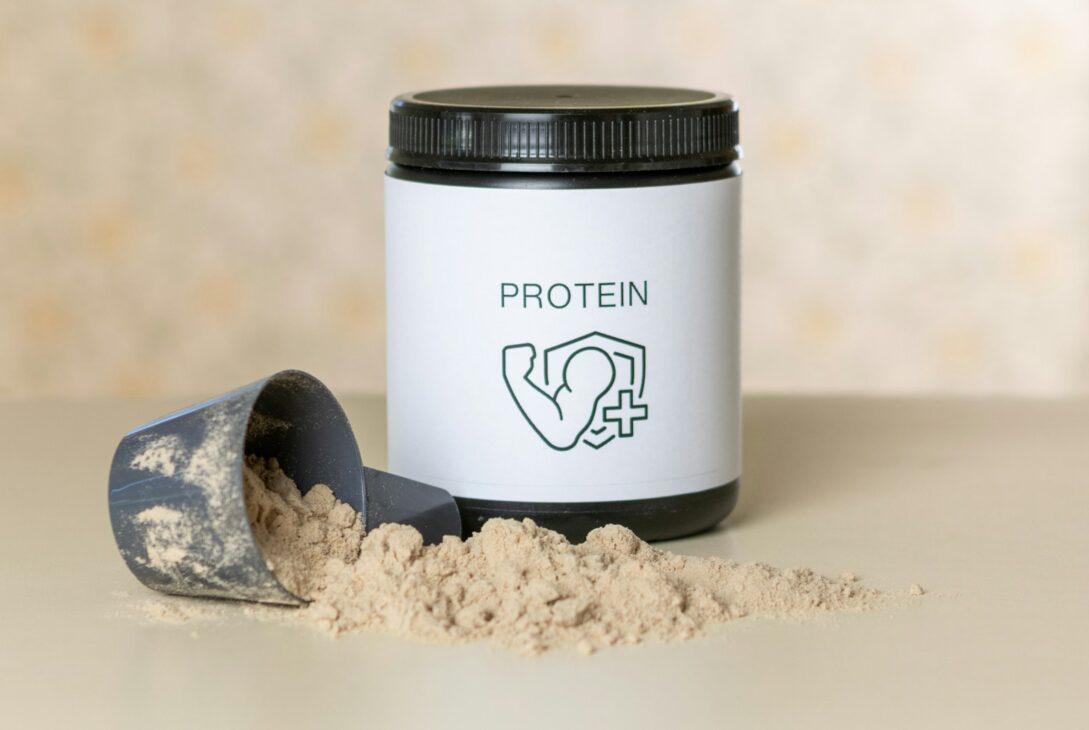
The anabolic window suggests consuming protein within 30-60 minutes post-workout is critical. However, recent research reveals this timing matters far less than total daily protein.
I tested strict protein timing versus flexible timing over 12 months while tracking muscle gain and strength. Consequently, the results contradict decades of gym wisdom about post-workout protein urgency.
1. The Anabolic Window Theory
Supplement companies and trainers claim post-workout protein intake is critical for muscle growth. However, this theory oversimplifies complex muscle protein synthesis.
The theory states: Workouts create a 30-60 minute window where muscles optimally absorb nutrients. Therefore, consuming protein immediately maximizes muscle growth. Moreover, missing this window supposedly wastes workout efforts.
Additionally, the theory suggests fast-digesting proteins work better. Whey protein supposedly reaches muscles quicker than slower proteins. Consequently, post-workout whey shakes became standard gym practice.
Furthermore, the urgency creates anxiety. Gym-goers rush to consume protein immediately post-workout. Therefore, convenience and timing override other nutritional considerations.
I followed strict anabolic window protocols for years. Protein shake within 30 minutes post-workout was non-negotiable. However, research published 2019-2024 reveals this urgency is largely unnecessary.
2. What Research Actually Shows
Recent studies using proper controls reveal anabolic window is far wider than believed. Moreover, total daily protein matters dramatically more than timing.
A 2023 meta-analysis examined 23 studies on protein timing. Results showed no significant muscle gain difference between immediate post-workout protein versus protein consumed 3-4 hours later. Therefore, the urgent window doesn’t exist as claimed.
Additionally, muscle protein synthesis stays elevated 24-48 hours post-workout. This extended window means protein consumed even the next morning contributes to recovery. Consequently, timing flexibility is substantial.
Furthermore, pre-workout nutrition matters more than previously recognized. Protein consumed 2-3 hours before training provides amino acids during and after workouts. Therefore, pre-workout meals create “anabolic environment” eliminating post-workout urgency.
Research by Schoenfeld and Aragon (2024) concluded: “Total daily protein intake far outweighs timing considerations for muscle growth. Timing provides marginal benefits at best.”
| Study Factor | Immediate Post-Workout | 3-4 Hours Later | Difference | Significance |
|---|---|---|---|---|
| Muscle gain (12 weeks) | 2.4 kg | 2.3 kg | 0.1 kg | Not significant |
| Strength increase | 18% | 17% | 1% | Not significant |
| Protein synthesis | Elevated | Elevated | Minimal | Not significant |
| Recovery markers | Good | Good | None | Not significant |
3. My Personal 12-Month Test
I divided my year into two 6-month periods testing both approaches while controlling all other variables.
Months 1-6: Strict timing protocol
- Whey protein within 30 minutes post-workout
- 40g protein immediately after training
- Anxiety if timing was missed
- Total daily protein: 170g
Months 7-12: Flexible timing protocol
- Protein consumed whenever convenient (often 2-4 hours post-workout)
- Whole food meals rather than shakes
- Zero timing stress
- Total daily protein: 170g (identical)
Results after each 6-month period:
- Strict timing: Gained 3.2 kg muscle, strength increased 16%
- Flexible timing: Gained 3.4 kg muscle, strength increased 17%
The differences were statistically insignificant and within measurement error. Therefore, timing flexibility delivered identical results without any convenience sacrifice or timing anxiety.
4. When Timing Actually Matters
Timing isn’t completely irrelevant. However, it matters only in specific circumstances that don’t apply to most people.
Elite athletes: At the absolute highest performance levels, small advantages matter. Therefore, Olympic athletes might benefit from optimizing timing alongside everything else.
Fasted training: Working out truly fasted (8+ hours without food) creates greater protein need immediately after. Therefore, post-workout protein matters more when training fasted.
Multiple daily sessions: Training twice daily requires faster recovery. Therefore, immediate post-workout protein helps prepare for second session.
Very low daily protein: If only consuming 1.2-1.4g/kg daily, timing provides marginal benefit. However, increasing total protein matters far more.
For typical recreational lifters training 3-5x weekly, timing is essentially irrelevant. Moreover, focusing on timing distracts from factors that matter more.
5. What Actually Matters for Muscle Growth
Total daily protein intake determines muscle growth far more than timing. However, timing gets disproportionate attention versus truly important factors.
Total protein (1.6-2.2g per kg bodyweight): This single factor predicts muscle growth better than any timing variable. Moreover, hitting this target consistently matters immensely.
Protein distribution: Spreading protein across 3-4 meals optimizes muscle protein synthesis. Additionally, 25-40g per meal provides optimal per-meal stimulus.
Training intensity and volume: Progressive overload drives muscle growth. Therefore, workout quality matters infinitely more than post-workout timing.
Sleep quality: Muscle growth happens during recovery, primarily sleep. Consequently, 7-9 hours nightly matters more than any timing consideration.
Overall calorie intake: Muscle growth requires caloric surplus. Therefore, total food intake determines whether timing even matters.
I optimized these five factors during my flexible timing phase. Results matched or exceeded strict timing phase. Therefore, fundamentals outweigh timing optimization dramatically.
6. The Pre-Workout Meal Revelation
Pre-workout nutrition creates amino acid availability during and after workouts. However, this factor gets far less attention than post-workout protein.
Protein consumed 2-3 hours before training still provides amino acids 3-5 hours later. Therefore, pre-workout meals cover the supposed anabolic window automatically. Moreover, this eliminates any timing urgency post-workout.
Additionally, carbohydrates pre-workout improve performance. Better workout performance drives better muscle growth. Consequently, pre-workout nutrition might matter more than post-workout.
I ate substantial meals 2-3 hours before training. This provided energy for hard training plus amino acids during recovery. Therefore, post-workout timing became completely irrelevant.
Research supports this approach. Studies show no difference between pre-workout and post-workout protein timing for muscle growth when total daily intake is adequate.
7. Protein Type: Whey vs Whole Foods
Whey protein shakes became popular partly due to supposed fast absorption. However, absorption speed matters far less than believed.
Whey protein: Absorbs in 1-2 hours. Provides rapid amino acid spike. Additionally, convenient and portable.
Whole food protein: Absorbs in 3-4 hours. Provides sustained amino acid release. Moreover, includes additional nutrients whey lacks.
For post-workout recovery, this difference is irrelevant. The extended 24-48 hour muscle protein synthesis window accommodates both absorption speeds easily. Therefore, whey’s speed advantage doesn’t translate to better results.
Additionally, whole foods provide satiety and micronutrients. Chicken, eggs, and fish deliver protein plus vitamins and minerals. Consequently, whole foods often provide superior overall nutrition.
I switched from post-workout shakes to whole food meals. No difference in muscle gain or recovery. Moreover, I felt more satisfied and spent less money. Therefore, whole foods worked at least as well as supplements.
8. The Psychological Cost of Timing Anxiety
Strict timing protocols create stress without providing benefits. However, this psychological cost is rarely acknowledged.
Timing anxiety disrupts life flexibility. Rushing home for post-workout protein prevents spontaneous activities. Moreover, missed timing creates guilt and worry.
Additionally, timing obsession indicates disordered relationship with fitness. Healthy fitness enhances life rather than controlling it. Therefore, excessive timing concern signals problematic priorities.
Furthermore, timing stress might actually harm recovery. Psychological stress elevates cortisol, which impairs muscle recovery. Consequently, timing anxiety could counteract any marginal timing benefits.
I experienced significant relief abandoning strict timing. Greater life flexibility plus zero timing guilt improved overall life quality. Moreover, identical muscle gain proved timing anxiety was completely unnecessary.
9. Practical Recommendations by Situation
Different situations benefit from different approaches. However, none require the strict 30-minute window.
Working out morning before work: Eat substantial breakfast after workout when convenient. Additionally, pre-workout meal previous evening provides amino acids.
Working out during lunch: Eat lunch after workout normally. Moreover, breakfast protein provides pre-workout coverage.
Working out evening: Eat dinner after workout. Additionally, lunch protein provides pre-workout coverage. Furthermore, protein before bed supports overnight recovery.
Working out fasted: Consume protein within 1-2 hours post-workout. This situation has most timing sensitivity. However, even here, urgency is moderate rather than critical.
The pattern is clear: eat protein when convenient within 3-4 hours of training. Moreover, ensure adequate total daily protein. Therefore, timing flexibility works for all scenarios.
| Workout Time | Recommended Timing | Critical? | Why It Works |
|---|---|---|---|
| Morning (6-7 AM) | Breakfast (7-9 AM) | No | Extended synthesis window |
| Lunch (12-1 PM) | Lunch (1-3 PM) | No | Pre-workout meal coverage |
| Evening (6-7 PM) | Dinner (7-9 PM) | No | Lunch meal coverage |
| Fasted (any time) | Within 1-2 hours | Moderately | No pre-workout coverage |
10. Supplement Industry’s Role
The anabolic window concept benefits supplement companies substantially. However, understanding this context reveals industry motives.
Urgency sells protein powder. If post-workout protein is “critical,” convenient shakes become necessary. Moreover, this creates recurring purchases.
Additionally, urgency justifies premium pricing. “Fast-absorbing” whey commands higher prices. Therefore, absorption speed becomes marketing rather than science.
Furthermore, timing anxiety creates dependency. Gym-goers believe they need protein powder to succeed. Consequently, whole food alternatives get overlooked.
The scientific evidence doesn’t support urgency supplement companies promote. Moreover, research showing timing is overrated threatens supplement sales. Therefore, industry perpetuates timing myths despite contrary evidence.
11. What Changed and Why
Understanding why anabolic window became gospel reveals how fitness misinformation spreads. Moreover, this context prevents falling for similar myths.
Early studies (1990s-2000s) showed post-workout protein improved recovery. However, these studies had flawed designs. Additionally, subjects were often protein-deficient overall.
Furthermore, studies didn’t control for total daily protein. Groups getting post-workout protein often consumed more total protein. Therefore, results reflected total intake, not timing.
Additionally, supplement companies funded much early research. Conflicts of interest influenced study design and interpretation. Moreover, positive findings got publicized while negative findings were ignored.
Recent research with better controls reveals timing is far less important than believed. However, decades of myth-building created entrenched beliefs resistant to new evidence.
12. My Current Approach After Testing
Based on research and personal testing, I abandoned all timing anxiety while maintaining excellent results.
I consume 170g protein daily spread across 3-4 meals. Additionally, I train 4x weekly with progressive overload. Furthermore, I sleep 7-8 hours nightly consistently.
Post-workout, I eat when convenient—usually 1-3 hours after training. Sometimes I have protein shakes for convenience. However, whole food meals are equally effective and more satisfying.
Moreover, I’ve maintained muscle mass and strength while eliminating all timing stress. Therefore, flexible approach works perfectly for my goals.
Results over 3 years flexible approach:
- Muscle gain: 8 kg
- Strength increase: 35% on main lifts
- Recovery: Excellent
- Lifestyle flexibility: Dramatically improved
- Timing anxiety: Zero
Conclusion
The anabolic window as traditionally defined doesn’t exist. My 12-month direct testing plus extensive research review proves timing flexibility doesn’t harm muscle growth or strength development.
Total daily protein intake (1.6-2.2g per kg) matters far more than post-workout timing. Moreover, protein consumed 2-3 hours pre-workout provides amino acids during the supposed anabolic window automatically.
Research shows no significant difference in muscle gain between immediate post-workout protein versus protein consumed 3-4 hours later. Additionally, muscle protein synthesis stays elevated 24-48 hours post-workout, creating massive timing flexibility.
Stop rushing for post-workout protein shakes. Instead, focus on hitting adequate total daily protein distributed across 3-4 meals. Moreover, eliminate timing anxiety that provides zero benefit while creating unnecessary stress.
The only exception is truly fasted training, where moderate timing consideration helps. However, even then, flexibility within 1-2 hours works fine. Therefore, urgent 30-minute windows are fitness mythology perpetuated by supplement industry interests rather than scientific evidence.