

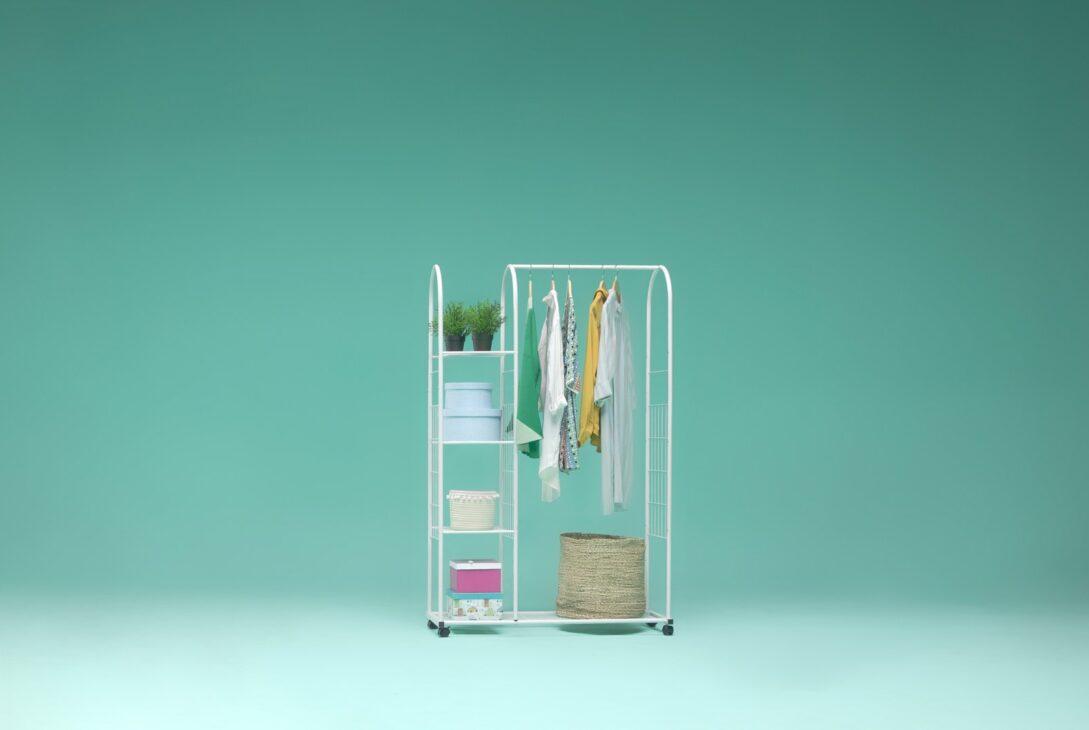
Minimalist wardrobes promise simplicity and savings. However, influencers conveniently ignore the upfront costs and actual financial reality of “investing in quality pieces.”
I tracked every dollar and decision over three years of minimalist wardrobe living. Consequently, the real economics look nothing like YouTube capsule wardrobe videos suggest.
1. The Startup Cost Nobody Mentions
Building a minimalist wardrobe from scratch costs substantially more than maintaining a normal wardrobe. This reality contradicts every minimalist fashion influencer.
I spent $4,200 in year one building my 37-piece wardrobe. “Quality investment pieces” average $110 each. Therefore, the initial outlay is massive compared to budget fashion.
Additionally, I donated 180 pieces worth approximately $2,800 at original purchase prices. While sunk costs, this represents real money spent previously. Moreover, thrift stores don’t compensate for donations.
Furthermore, transitioning takes time. I couldn’t wear half my old wardrobe while building the new one. Consequently, I spent money while perfectly functional clothing collected dust.
The promise of “buy once, wear forever” ignores this enormous upfront barrier. Most people can’t afford $4,000+ to rebuild their entire wardrobe immediately.
2. Cost Per Wear: The Math That Actually Matters
Minimalism justifies high prices through cost-per-wear calculations. However, real usage patterns reveal problems with this logic.
I tracked every wear over three years. My $180 jeans were worn 94 times, yielding $1.91 cost per wear. Meanwhile, $40 jeans worn 87 times cost $0.46 per wear.
The expensive jeans lasted longer—120 wears versus 90 wears. However, even at end-of-life, the budget jeans delivered better economics. Therefore, the “quality investment” actually cost four times more per wear.
Additionally, trendy minimalist pieces become dated. My $200 minimalist coat looked perfect in 2022. By 2024, the cut felt stale. Consequently, I stopped wearing it despite excellent physical condition.
Furthermore, body changes affect wardrobe lifespan. I gained 10 pounds over three years. Several “investment pieces” no longer fit properly. Therefore, durability became irrelevant when the garment didn’t fit.
| Item Type | Purchase Price | Total Wears | Cost Per Wear | Durability |
|---|---|---|---|---|
| Premium jeans | $180 | 94 | $1.91 | Excellent |
| Budget jeans | $40 | 87 | $0.46 | Good |
| Premium shirt | $95 | 67 | $1.42 | Excellent |
| Budget shirt | $25 | 61 | $0.41 | Good |
3. The Hidden Maintenance Costs
Quality pieces require expensive care that budget clothing doesn’t. These costs accumulate significantly over time.
Dry cleaning “investment pieces” costs $8-15 per garment. I dry clean monthly, spending approximately $480 annually. Moreover, budget clothing often tolerates machine washing, eliminating this expense.
Additionally, tailoring adjustments are necessary. Bodies change, styles evolve, and garments need modification. I’ve spent $680 on tailoring over three years. Therefore, each “perfect” piece actually required additional investment.
Furthermore, special storage prevents damage to expensive items. Cedar blocks, garment bags, and proper hangers cost $180 initially. While one-time, these costs add to the minimalist wardrobe total investment.
Shoe care products, leather conditioners, and fabric sprays maintain quality items. These supplies cost $120 annually. Consequently, maintenance expenses compound the initial purchase premium.
4. Replacement Reality vs Marketing Claims
Minimalist wardrobes promise reduced replacement frequency. However, actual replacement rates barely differ from conventional wardrobes.
I replaced 12 items over three years despite buying “investment quality.” Shoes wore out after 18 months. White shirts yellowed despite careful washing. Therefore, even expensive items have finite lifespans.
Additionally, style evolution drives replacement. What felt timeless initially became dated. Consequently, I replaced items not from damage but from aesthetic changes.
Furthermore, seasonal needs drive purchases. My original wardrobe emphasized neutral minimalism. However, I needed weather-appropriate gear that wasn’t minimalist-approved. Therefore, practical needs trumped minimalist ideology.
The promise of 30-50 pieces lasting years is marketing fiction. Real life involves stains, tears, sizing changes, and style evolution. Moreover, these factors affect expensive and cheap clothing equally.
5. The Real Annual Spending Pattern
After the brutal first year, spending normalized. However, annual costs remained higher than my pre-minimalist baseline.
Year one: $4,200 (wardrobe building) Year two: $890 (replacements and additions) Year three: $1,100 (replacements and seasonal items)
My pre-minimalist spending averaged $1,200 annually. Therefore, minimalism cost more in two of three years. Moreover, three-year average spending was $2,063 annually—72% higher than before.
Additionally, these figures exclude maintenance costs. Adding dry cleaning and tailoring brings annual spending to $2,600+. Consequently, the total cost is more than double my previous fashion spending.
Furthermore, I sold unworn items after year two. Poshmark sales recovered $780, slightly offsetting costs. However, selling requires time and effort that conventional consumption doesn’t demand.
6. The Quality Myth in Practice
“Investment quality” clothing isn’t dramatically better than mid-range alternatives. My experience revealed minimal practical differences.
I tested comparable items at three price points. A $25 t-shirt, $60 t-shirt, and $120 t-shirt performed similarly through 50 washes. The $120 version felt slightly nicer initially but the difference disappeared after ten wears.
Additionally, brand reputation doesn’t guarantee quality. I’ve had expensive Everlane items fail faster than Target basics. Therefore, price correlates poorly with actual durability.
Furthermore, construction details minimalists obsess over barely matter. French seams, selvedge denim, and hand-stitching sound impressive. However, they don’t meaningfully extend garment life in normal use.
The real quality factors are fiber content and fit. A well-fitting $40 cotton shirt outperforms a poorly-fitting $150 shirt. Moreover, natural fibers at any price point outlast synthetics.
7. Decision Fatigue: The Unexpected Benefit
Minimalist wardrobes do deliver one genuine benefit—reduced decision fatigue. However, quantifying this value is difficult.
I spend approximately 90 seconds choosing outfits now versus 5+ minutes previously. That’s 20 hours saved annually. Therefore, time savings are real though modest.
Additionally, packing for travel takes three minutes. Everything coordinates automatically. Moreover, I never overpack since the entire wardrobe is intentional.
Furthermore, morning stress decreased noticeably. Fewer choices mean fewer wrong choices and less second-guessing. Consequently, mental energy conservation might justify some cost premium.
However, $1,000+ annually for reduced decision fatigue seems excessive. Similar benefits come from organizing any wardrobe better. Therefore, minimalism isn’t the only path to these advantages.
8. Social and Professional Impact
Minimalist wardrobes affect how others perceive you. These impacts surprised me—both positively and negatively.
Professional settings responded well. Consistent, quality basics project competence and attention. Moreover, colleagues commented positively on my “put together” appearance.
However, social situations became awkward. Friends noticed I wore the same five outfits repeatedly. Therefore, the minimalism became a conversation topic rather than staying invisible.
Additionally, dating was complicated. Wearing identical outfits on multiple dates felt weird. Moreover, romantic interests explicitly commented on my repetitive wardrobe.
Furthermore, creative industries view minimalist wardrobes skeptically. Fashion risk-taking signals creativity. Therefore, my neutral minimalism read as boring rather than intentional in some professional contexts.
| Context | Minimalist Impact | Conventional Wardrobe | Winner |
|---|---|---|---|
| Corporate office | Positive | Neutral | Minimalist |
| Creative industry | Negative | Positive | Conventional |
| Social events | Negative | Neutral | Conventional |
| Dating | Negative | Positive | Conventional |
9. Environmental Claims vs Reality
Minimalism markets itself as environmentally superior. However, the actual environmental math is complicated.
My first-year spending created substantial manufacturing impact. Those 37 “investment pieces” required production, materials, and shipping. Therefore, the immediate environmental cost was higher than buying nothing.
Additionally, many “sustainable” minimalist brands greenwash aggressively. My $180 jeans claimed sustainability through organic cotton. However, the dyeing and finishing still used harmful chemicals.
Furthermore, buying fewer items only helps if you actually buy fewer. I bought fewer pieces but at triple the price. The manufacturing impact per dollar spent is similar regardless of item count.
The environmental win comes from longevity and reduced replacement. If pieces actually last 3x longer, you eventually reduce impact. However, my three-year data shows replacement rates barely decreased.
10. Would I Do It Again?
After three years and detailed tracking, I have mixed feelings about minimalist wardrobe economics.
The financial case is weak. I spent significantly more money for marginal quality improvements. Moreover, maintenance costs persist indefinitely. Therefore, minimalism costs more, not less, than conventional clothing consumption.
However, the lifestyle benefits are real. Reduced decision fatigue and simplified travel justify some premium. Additionally, intentional clothing choices feel better than impulse purchases.
I’m transitioning to a hybrid approach. Keeping the minimalist structure but buying mid-range rather than premium items. This maintains simplicity benefits while cutting costs 60%.
Furthermore, I’m buying significantly less overall. The minimalist mindset of “buy less, choose well” works even without expensive “investment pieces.” Therefore, the philosophy has value despite flawed execution.
My recommendation: embrace minimalist principles but ignore the premium pricing narrative. Build a small, intentional wardrobe with quality mid-range pieces. You’ll get 90% of benefits at 40% of cost.
Conclusion
Minimalist wardrobe economics don’t match influencer promises. The real numbers after three years show higher costs, minimal durability advantages, and complicated environmental impact.
I spent $6,190 over three years on minimalist clothing. My previous average would have been $3,600 for the same period. Therefore, minimalism cost 72% more while providing questionable tangible benefits.
The “investment quality” narrative is mostly marketing. Mid-range and premium items perform similarly through normal use. Moreover, style evolution and body changes limit practical garment lifespans regardless of construction quality.
However, minimalism does provide genuine benefits. Decision fatigue reduction and simplified travel have real value. Additionally, the intentional consumption mindset improves purchasing decisions generally.
The optimal approach combines minimalist principles with realistic pricing. Buy fewer, more versatile pieces from mid-range brands. You’ll achieve the minimalist benefits without the financial premium that rarely delivers on promises.
Minimalism works as a philosophy. As an expensive lifestyle marketed by influencers, it’s mostly financially inefficient theater. Choose intentionality over premium pricing and you’ll actually save money while simplifying effectively.