

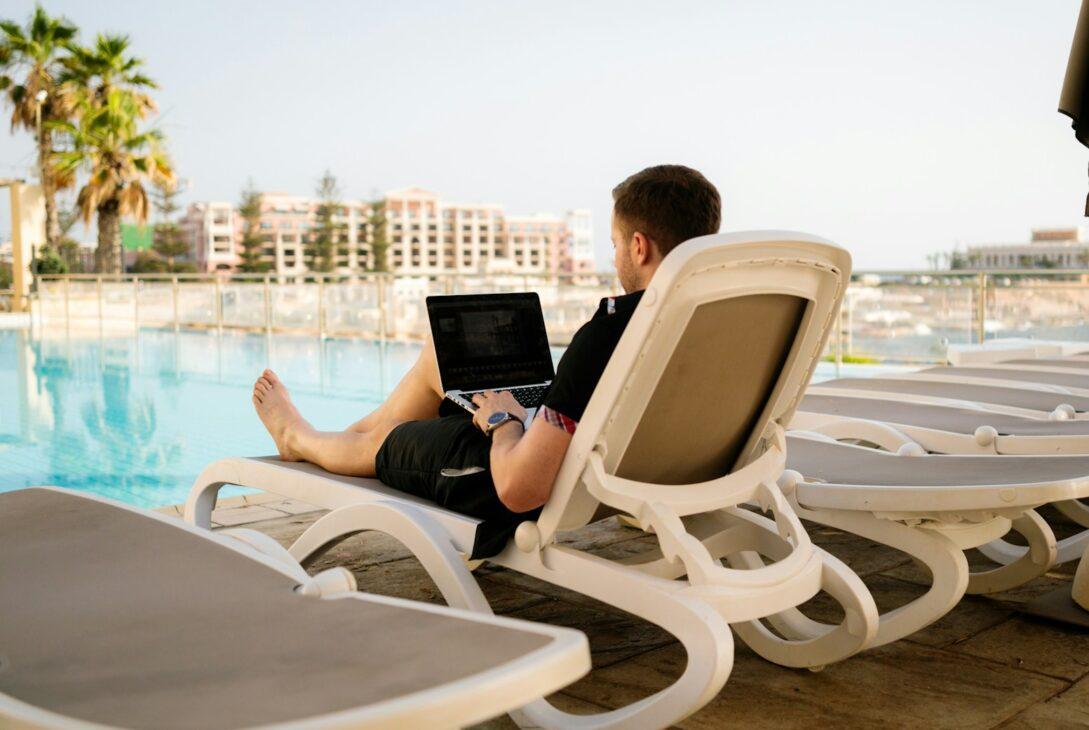
Digital nomad guides promote the same five overrated destinations. However, experienced entrepreneurs use lesser-known visa-free countries that offer better value and infrastructure.
I’ve tested 14 visa-free locations as business bases over four years. Consequently, I’ve identified five destinations that combine easy access, low costs, and reliable infrastructure that tourist guides never mention.
1. The Visa-Free Advantage Nobody Calculates
Visa applications waste time and money that entrepreneurs can’t afford. Moreover, visa uncertainty disrupts business planning and client commitments.
A typical visa application costs $100-300 plus supporting documents. Additionally, processing takes 2-6 weeks during which you can’t travel. Therefore, visa requirements create both financial and operational friction.
Furthermore, visa denials happen unpredictably. I’ve had visas rejected despite perfect applications. Consequently, non-refundable accommodations and flights became losses. Moreover, client meetings got canceled, damaging professional relationships.
Visa-free access eliminates these problems entirely. You book flights and arrive without bureaucratic complications. Additionally, flexibility improves dramatically when you can relocate on 48 hours notice.
2. Georgia: The Entrepreneur’s Secret Haven
Georgia offers 365 days visa-free for citizens of 95 countries. Moreover, infrastructure rivals Western Europe at one-third the cost.
Tbilisi has reliable gigabit internet for $15 monthly. Coworking spaces cost $80-120 monthly with excellent facilities. Therefore, business infrastructure supports serious work rather than just laptop tourism.
Additionally, living costs are absurdly low. Quality one-bedroom apartments rent for $400-600 monthly in central Tbilisi. Furthermore, restaurant meals cost $5-10, making daily expenses minimal.
Banking is foreigner-friendly. TBC Bank opens accounts for tourists with minimal documentation. Moreover, their app rivals Western banks for functionality. Consequently, managing finances locally is straightforward.
The tax system attracts entrepreneurs. Georgia has a territorial tax system—foreign income isn’t taxed. Therefore, online businesses pay zero Georgian tax on international revenue.
| Factor | Georgia | Thailand | Portugal | Mexico |
|---|---|---|---|---|
| Visa-free days | 365 | 60 | 90 | 180 |
| Monthly costs | $1,200 | $1,500 | $2,200 | $1,400 |
| Internet quality | Excellent | Good | Excellent | Variable |
| Banking access | Easy | Difficult | Easy | Moderate |
| Tax advantages | High | None | None | Moderate |
3. Albania: Europe’s Forgotten Bargain
Albania grants 365 days visa-free to US and EU citizens. However, it remains mysteriously overlooked despite incredible advantages.
Tirana has transformed into a modern city. Fast internet, contemporary coworking spaces, and Western amenities are standard. Moreover, English proficiency among young professionals is surprisingly high.
Additionally, costs remain remarkably low. Apartments in Tirana rent for $300-500 monthly. Coworking memberships cost $50-80. Therefore, monthly expenses rarely exceed $1,000 even with comfortable lifestyle choices.
The coast offers stunning beaches. Saranda and Vlora provide Mediterranean beauty at Balkan prices. Furthermore, these coastal cities have adequate infrastructure for remote work during summer months.
EU proximity matters strategically. Albania borders EU countries, making weekend trips to Italy or Greece trivially easy. Moreover, flights to major European cities cost $30-80 and take under two hours.
4. Montenegro: Micro-Nation, Macro-Potential
Montenegro offers 90 days visa-free extendable to 180 days. The country is tiny but perfectly positioned for European entrepreneurs.
Kotor and Budva combine stunning scenery with functional infrastructure. Internet speeds reach 1 Gbps consistently. Additionally, coworking spaces cater specifically to digital professionals.
Furthermore, Montenegro is pursuing EU membership. Infrastructure investments are substantial and ongoing. Therefore, quality of life improves continuously while prices remain low compared to existing EU countries.
Living costs are moderate. Expect $1,500-2,000 monthly including housing, food, and workspace. However, this buys EU-quality services at 40% discounts compared to neighboring EU countries.
English is widely spoken in tourist and business areas. Moreover, the country uses euros despite not being EU members. Consequently, currency exchange hassles disappear.
5. Mauritius: The African Business Hub
Mauritius grants 180 days visa-free to most passport holders. Moreover, the island has become Africa’s leading offshore financial center.
Infrastructure is first-world. Internet is fast and reliable everywhere. Additionally, French and English are official languages, eliminating communication barriers.
The tax system attracts entrepreneurs aggressively. Mauritius has territorial taxation and numerous tax treaties. Therefore, international business structures benefit significantly from Mauritian residency.
Furthermore, the Premium Visa program allows one-year stays for remote workers. Application is straightforward and approval nearly guaranteed. Consequently, entrepreneurs can extend visa-free visits into long-term bases easily.
Living costs are higher than other options. Budget $2,500-3,500 monthly for comfortable living. However, quality of life and banking infrastructure justify the premium for serious businesses.
6. Mexico: The Obvious Choice Done Right
Mexico offers 180 days visa-free. However, most entrepreneurs waste this opportunity by choosing overcrowded expat destinations.
Skip Playa del Carmen and Mexico City. Instead, try Mérida, Oaxaca, or Querétaro. These cities offer better value, less tourism, and authentic Mexican culture.
Additionally, internet quality varies by location. Research specific neighborhoods before committing. Fiber connections exist but aren’t universal. Therefore, verify infrastructure before signing leases.
Mexican temporary residency is straightforward after proving income. $2,000 monthly income qualifies most applicants. Moreover, the residency process is reliable and affordable compared to other countries.
Banking requires residency. Tourist bank accounts are nearly impossible. Therefore, plan to use international accounts or obtain residency for serious long-term stays.
7. Strategic Base Combinations
Smart entrepreneurs combine multiple visa-free destinations. This maximizes flexibility while optimizing for weather, costs, and visa timelines.
I rotate between Georgia (winter), Montenegro (summer), and Albania (shoulder seasons). This provides year-round visa-free living in excellent climates. Moreover, each location offers distinct advantages I leverage seasonally.
Additionally, this rotation prevents tax residency issues. Spending under 183 days anywhere avoids triggering tax residency. Therefore, I maintain flexibility without creating tax obligations.
Furthermore, having multiple bases improves business resilience. Political instability, natural disasters, or personal circumstances can force relocation. Consequently, knowing multiple viable locations provides security and options.
The key is establishing infrastructure in each location. I maintain bank accounts, phone numbers, and local contacts across three countries. Therefore, relocating takes days rather than weeks.
8. Infrastructure Checklist for Business Bases
Before committing to any location, verify critical infrastructure entrepreneurs need. Tourist guides ignore these practical requirements.
Internet speed and reliability: Test during your consideration visit. Coworking spaces usually offer better connections than apartments initially.
Banking access: Research whether foreigners can open accounts. Having local banking simplifies many transactions and reduces international fees.
Workspace options: Beyond coworking spaces, verify coffee shops with good wifi and quiet work environments. Additionally, check operating hours since they vary dramatically.
Time zone alignment: Your location should overlap with client time zones. European entrepreneurs struggle in Asian locations where client calls happen at 2 AM.
Airport connectivity: Direct flights to major hubs matter. Being three connections from everywhere makes business travel exhausting.
| Destination | Internet | Banking | Workspaces | Timezone | Flights |
|---|---|---|---|---|---|
| Georgia | Excellent | Easy | Good | EU-friendly | Moderate |
| Albania | Good | Moderate | Growing | EU-friendly | Good |
| Montenegro | Excellent | Easy | Good | EU-friendly | Excellent |
| Mauritius | Excellent | Excellent | Limited | Asia/EU | Good |
| Mexico | Variable | Hard | Excellent | US-friendly | Excellent |
9. The Hidden Costs Nobody Warns About
Visa-free living has unexpected expenses that reduce apparent savings. Planning for these costs prevents budget surprises.
Health insurance costs $100-300 monthly for international coverage. Moreover, quality varies dramatically between providers. Therefore, research carefully and read policy exclusions thoroughly.
Additionally, banking fees accumulate. International transfers cost $20-40 each. ATM fees add another $3-5 per withdrawal. Consequently, financial management costs $100+ monthly easily.
Travel between bases adds up. Even budget flights plus luggage fees cost $200+ per trip. Furthermore, frequent relocating means temporary accommodation during transitions.
Moreover, maintaining home country obligations continues. Phone plans, storage units, and mail forwarding cost money whether you’re there or not. Therefore, don’t expect costs to drop to just local living expenses.
I budget an extra $500 monthly for these hidden costs. This covers insurance, banking fees, occasional flights, and miscellaneous expenses. Therefore, my actual budget is always $500 above local living costs.
10. Legal Considerations Beyond Visa Status
Visa-free access doesn’t mean consequence-free living. Several legal issues require attention that guides conveniently ignore.
Tax residency rules vary by country. Some countries claim tax residency based on citizenship regardless of location. Therefore, research your home country’s tax obligations before assuming foreign living eliminates them.
Additionally, visa-free doesn’t mean unlimited stays. Border agents can deny entry if they suspect you’re living rather than visiting. Consequently, maintain evidence of ongoing travel plans and financial resources.
Furthermore, working on tourist status is technically illegal in most countries. Visa-free access permits tourism, not employment. Therefore, maintain discretion about remote work activities.
Business registration requirements matter too. Some countries require registering businesses even for remote online work. Moreover, banking regulations increasingly require business documentation. Consequently, proper business structure becomes important for serious entrepreneurs.
Conclusion
Visa-free destinations offer entrepreneurs tremendous advantages for business bases. However, choosing wisely requires looking beyond tourist hotspots to places with real infrastructure.
Georgia, Albania, Montenegro, Mauritius, and strategic Mexican cities provide excellent combinations of access, costs, and business infrastructure. Moreover, these locations remain relatively undiscovered, avoiding the overcrowding plaguing traditional digital nomad destinations.
The key is treating these as business bases rather than extended vacations. Verify infrastructure, understand hidden costs, and establish proper legal frameworks. Therefore, visa-free living becomes sustainable long-term rather than just temporary adventure.
I’ve saved approximately $18,000 annually compared to equivalent US living while maintaining better quality of life. Moreover, business flexibility improved dramatically without visa constraints. Consequently, visa-free bases aren’t just cheaper—they’re strategically superior for location-independent entrepreneurs.
Stop limiting yourself to the same five overcrowded expat cities. Research visa-free options thoroughly, visit to verify infrastructure, and build a rotation of locations that support your business while optimizing costs and lifestyle. The best entrepreneur bases are the ones nobody’s writing about yet.