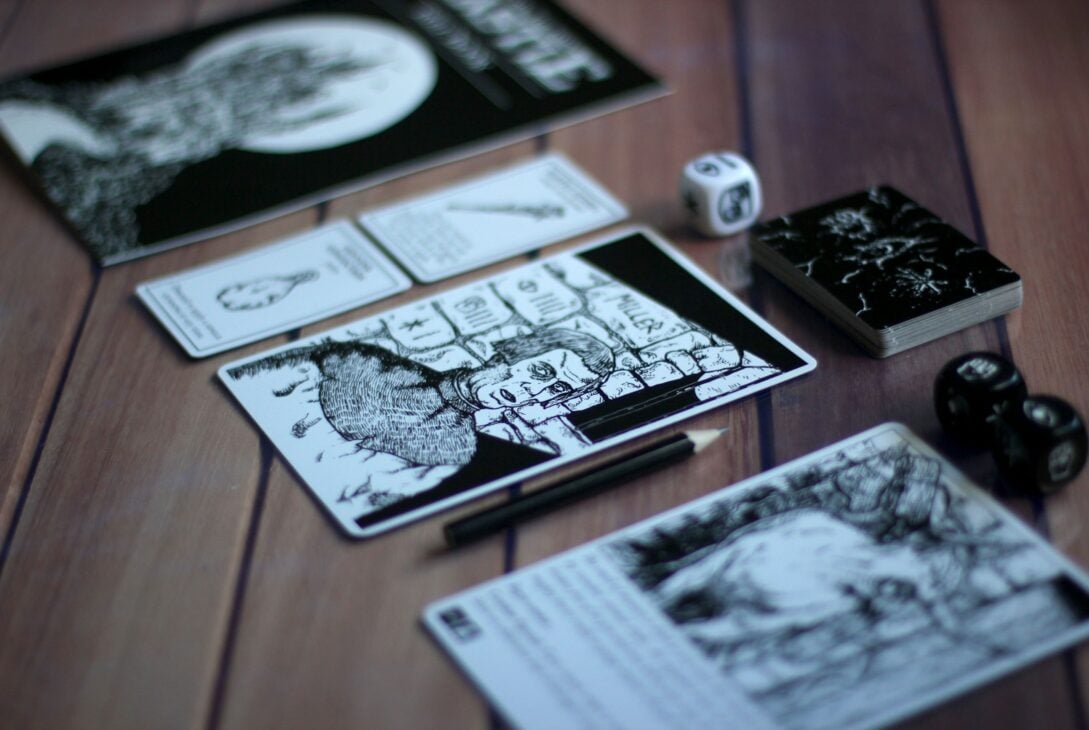
If your idea of a board game is a long afternoon of roll-and-move frustration, the modern tabletop scene will surprise you. Over the past few decades, designers have created games with clever mechanics, beautiful components and playtimes that fit a weeknight. Many of them appeal directly to people who love video games: resource management, deck building, cooperative problem solving and engine-building will all feel familiar.
Here’s a guide to modern classics, grouped by the kind of experience they offer, plus tips for picking games and hosting a good night.
What Makes a Modern Board Game Different?
- Meaningful choices. Instead of luck deciding everything, players make decisions that matter.
- Everyone stays involved. Most modern designs avoid eliminating players early.
- Shorter playtimes. Many great games take 30 to 90 minutes.
- Variety of themes and mechanics. From building railroads to curing diseases to growing a bird sanctuary.
- Great components. Quality art and pieces add to the fun.
Gateway Games: Easy to Learn, Fun to Replay
These are ideal if you’re new to the hobby or introducing friends and family.
- Ticket to Ride (2 to 5 players, about 30 to 60 minutes): collect colored train cards to claim routes across a map. The rules fit on a single page, and the tension of racing for key routes keeps everyone engaged.
- Carcassonne (2 to 5 players, about 30 to 45 minutes): lay tiles to build a medieval landscape of roads, cities and fields, placing followers to score points. It’s relaxed but strategic.
- Azul (2 to 4 players, about 30 to 45 minutes): pick colorful tiles to decorate a palace wall. The visuals are lovely and the puzzle-like scoring rewards planning.
- Catan (3 to 4 players, about 60 to 120 minutes): a pioneering modern classic about trading and building. It has a lot of player interaction, with luck from the dice balanced by negotiation.
Cooperative Games: Win or Lose Together
If you’d rather work with friends than against them, cooperative games are a great fit, and they’re especially good for families.
- Pandemic (2 to 4 players, about 45 minutes): players are a team of specialists racing to cure diseases before outbreaks spread. It creates tense, memorable moments of teamwork.
- Spirit Island (1 to 4 players, about 90 to 120 minutes): a deeper cooperative game where players defend an island using unique powers. It’s complex but rewarding for experienced groups.
Engine-Building and Strategy Games
Gamers who enjoy upgrading systems and optimizing resources often love these.
- Wingspan (1 to 5 players, about 40 to 70 minutes): build a bird sanctuary by playing bird cards, each with its own power that chains with others. It’s calm, attractive and satisfying as your engine grows.
- Splendor (2 to 4 players, about 30 minutes): collect gem tokens to buy cards that give discounts, building an economy that lets you buy even more. It’s quick to learn and has surprising depth.
- Terraforming Mars (1 to 5 players, about 120 minutes): compete as corporations transforming the red planet into a livable world. It’s long and card-heavy but offers lots of ways to play.
Deck-Building and Card Games
- Dominion (2 to 4 players, about 30 minutes): the game that popularized deck building. Everyone starts with the same cards, and you buy new ones to craft an engine, with different card sets each time you play.
- 7 Wonders (3 to 7 players, about 30 minutes): draft cards to build an ancient civilization. Everyone plays at the same time, so even a larger group moves quickly.
Asymmetric and Thematic Games
Some games give each player a very different role or set of rules.
- Root (2 to 4 players, about 60 to 90 minutes): woodland factions compete for control of a forest, each with a completely different way to play. It’s rich and takes a bit to learn but is fascinating for strategy fans.
Choose games with themes you’re comfortable with. Many titles feature fantasy, history, nature or space, and there’s no shortage of options that fit family-friendly or values-conscious groups. It’s wise to read a description or watch a short overview before buying, particularly if children are playing.
How to Choose a Game
- Know your group. Count players, think about their ages and experience and how much time you have.
- Match complexity to patience. New players do best with games that can be explained in ten minutes or less.
- Pick a play style. Do people prefer cooperation, competition, puzzles, negotiation or building things?
- Check player counts. A great four-player game might drag with two or collapse with six.
- Watch a how-to-play video before you buy. A five-minute overview often tells you whether it’s right for you.
- Start with a few games, not a shelf. Choose two or three that cover different needs.
Teaching a Game Well
- Learn the rules beforehand so you can explain confidently.
- Start with the goal: “You win by doing X.”
- Explain the turn structure, then the details players need as they come up.
- Play a short practice round if needed.
- Be patient, and let newer players take their time.
- Keep a rules summary or reference card handy.
Hosting a Great Game Night
- Prepare the table. Clear space, good lighting and comfortable seating help.
- Offer simple snacks and drinks, and keep them away from cards and boards.
- Start with something short while everyone arrives, then move to a main game.
- Have options. Two or three games ready lets the group choose.
- Keep it friendly. The goal is fun, and a close, good-natured game beats a tense one.
Games for Two or Solo
Many modern games scale well. Several of the titles above have good two-player modes or solo variants, and dedicated two-player games are plentiful. If you’re often playing with one other person, look for games designed for two, since they’re usually tuned better than larger games with a two-player option.
Where to Buy and Try
- Local game stores, which often have demo copies and friendly staff.
- Board game cafés and clubs, where you can try games before purchasing.
- Libraries and community groups, some of which lend games.
- Digital versions, offered for many popular titles, which let you learn the rules and try a game cheaply.
- Online retailers, where it’s worth comparing prices and checking reviews.
Looking After Your Collection
- Store boxes flat and away from damp.
- Use card sleeves for frequently shuffled decks.
- Bag components to keep them organized.
- Keep a few spare dice or tokens for lost pieces.
Frequently Asked Questions
I don’t like long games. Where should I start?
Try Splendor, Azul or Ticket to Ride. All play in under an hour and are easy to teach.
What’s the best game for families with children?
Ticket to Ride, Carcassonne and Pandemic often work well, depending on age and experience. Always check the recommended ages on the box.
Are board games expensive?
Prices vary. Many gateway games cost much less than a new video game, and they last for years.
How do I get non-gamers to play?
Start with simple, short games, choose a theme that interests them, and emphasize fun over winning.
Conclusion
Modern board games reward curiosity, and there’s a title for almost every group. Pick one gateway game from this list, invite two or three friends or family members and set aside an hour. You may discover your new favorite way to spend an evening.