

Border runs enable extended stays through repeated visa-free entries. However, immigration officers increasingly scrutinize this practice, and many travelers get denied entry after multiple runs.
I’ve completed 23 border runs across eight countries over four years. Consequently, I’ve learned which strategies work reliably and which trigger immigration red flags that result in entry denials.
1. Why Border Runs Trigger Scrutiny
Immigration officials understand border run tactics. Moreover, they’re specifically trained to identify and potentially deny travelers abusing tourist status for extended residence.
Frequent entries with minimal time abroad raise red flags. If you leave for 2 days then return for another 90-day stay, immigration sees you’re essentially residing rather than visiting.
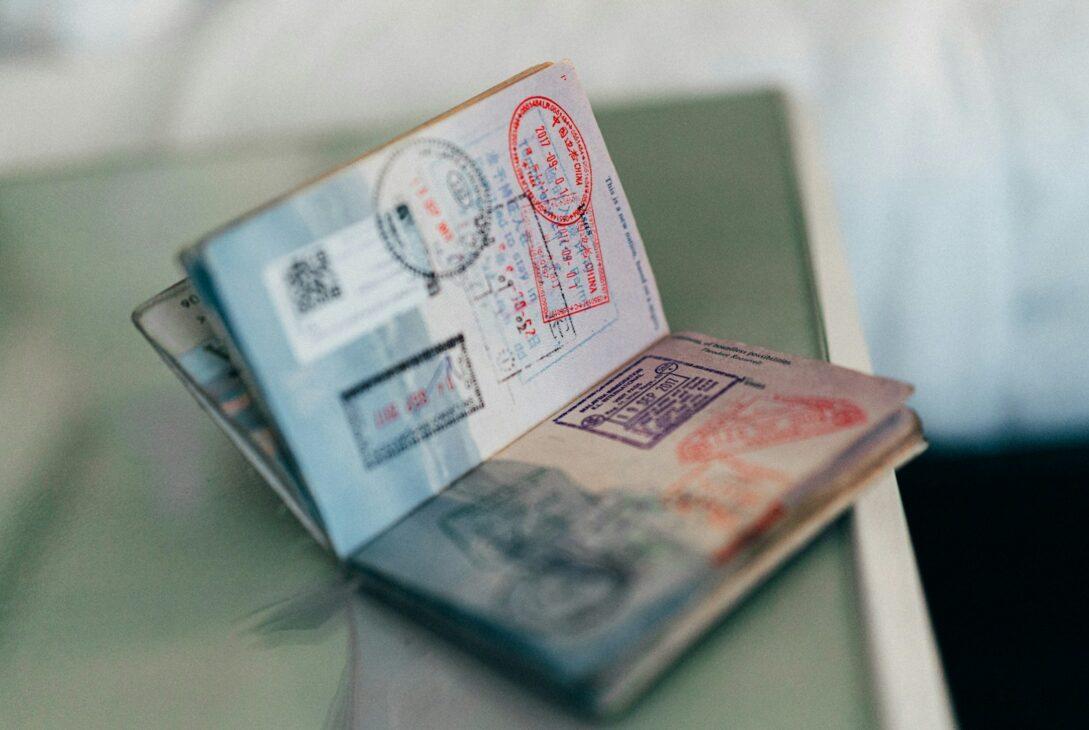
Additionally, passport stamps revealing patterns trigger questions. Multiple sequential entries to the same country demonstrate clear intent to circumvent visa requirements. Therefore, immigration officers exercise discretion to deny entry.
Furthermore, border run abuse harms actual tourists. Countries want genuine visitors spending money, not quasi-residents working remotely. Consequently, enforcement has intensified substantially over the past five years.
Immigration denials are administrative decisions. You have limited appeal rights and the country isn’t obligated to admit you. Moreover, denied entry creates complications for future visa applications globally.
2. The Minimum Gap Rule
Time spent outside determines whether immigration views your return as legitimate. However, specific durations vary by country and immigration officer discretion.
Most countries expect tourists to spend more time away than inside for repeated entries. Thailand’s immigration increasingly expects 1:1 ratios—90 days inside requires 90 days away. Therefore, quick border runs no longer work reliably.
Additionally, neighboring country visits must be substantial. A 2-day trip to Cambodia from Thailand appears obviously tactical. Conversely, a 30-day Southeast Asia tour demonstrates genuine travel rather than residence circumvention.
Furthermore, gap duration should vary. Consistently leaving for exactly 3 days signals systematic circumvention. Therefore, varying your away time between entries appears more legitimate.
I maintain minimum 30-day gaps between entries. Additionally, I genuinely travel during these gaps, visiting 2-3 countries. Consequently, immigration sees legitimate regional exploration rather than tactical border runs.
| Gap Duration | Immigration Perception | Denial Risk | Recommended? |
|---|---|---|---|
| 1-3 days | Obvious border run | High | No |
| 7-14 days | Suspicious | Medium-high | No |
| 21-30 days | Borderline | Medium | Marginal |
| 30-60 days | Legitimate travel | Low | Yes |
| 60+ days | Clear tourist pattern | Very low | Yes |
3. Documentation That Supports Your Story
Immigration officers assess your credibility through documentation. Moreover, having the right documents ready prevents lengthy questioning and potential denial.
Onward tickets prove you’re not planning to overstay. Show confirmed flights out within the visa-free period. Additionally, flexible tickets work better than one-way arrivals that suggest indefinite stay.
Furthermore, accommodation bookings demonstrate tourist intent. Even if staying with friends, book cancellable hotel reservations for the first few nights. Therefore, immigration sees concrete travel plans.
Financial proof matters significantly. Bank statements showing adequate funds indicate you’re not seeking employment. Moreover, $2,000-3,000 for 30-day stays is generally sufficient proof.
Additionally, travel itineraries help substantially. Written plans showing attractions you’ll visit and cities you’ll explore demonstrate tourist rather than resident behavior. Consequently, immigration views you more favorably.
4. The Professional Appearance Strategy
How you present matters as much as documentation. Moreover, immigration officers make subjective judgments based on appearance and demeanor.
Dress business casual for border crossings. Shorts and t-shirts signal backpacker, which immigration increasingly associates with border run abuse. Conversely, collared shirts and decent pants suggest respectable tourist.
Additionally, have documents organized and accessible. Fumbling through bags for paperwork raises suspicion. Therefore, keep passport, tickets, and bookings in an immediately accessible folder.
Furthermore, answer questions confidently but briefly. Over-explaining raises red flags. Conversely, clear concise answers about your travel plans demonstrate you’re organized and legitimate.
I maintain a border crossing outfit specifically for immigration. Business casual clothing, organized document folder, and professional bag all signal respectable tourist. Consequently, I’m rarely questioned beyond basic entry requirements.
5. Country-Specific Patterns and Limits
Each country has different tolerance for repeated entries. Moreover, understanding these specific patterns prevents unexpected denials.
Thailand officially allows unlimited visa-free entries. However, immigration officers use discretion to deny suspected residents. Additionally, land crossings are limited to two per year since 2016. Therefore, Thailand has effectively restricted border runs despite no written law.
Furthermore, European Schengen Area counts cumulative days. You’re allowed 90 days within any 180-day period across all 27 countries. Consequently, leaving one Schengen country for another doesn’t reset your allowance.
Malaysia is relatively lenient. Multiple entries are generally accepted if you’re genuinely traveling regionally. However, working on tourist visas is heavily penalized if discovered.
Additionally, Indonesia recently implemented stricter enforcement. Officers increasingly question repeat visitors and deny entry if they suspect residence. Moreover, showing proof of hotel bookings and onward flights is now mandatory.
6. The Alternative City Strategy
Entering through different cities reduces pattern visibility. Moreover, this demonstrates broader travel rather than targeted residence in one location.
If staying in Chiang Mai, exit through Bangkok. Then re-enter through Phuket next time. Therefore, immigration computers show diverse entry points rather than repeated same-city patterns.
Additionally, different entry points mean different immigration officers. Officers who previously questioned you won’t see you again. Consequently, you avoid building negative history with specific immigration staff.
Furthermore, this strategy forces actual travel rather than minimal-distance border runs. Consequently, your travel pattern appears more legitimate because it actually is.
I rotate entry cities systematically. My Thailand entries have used Bangkok, Chiang Mai, Phuket, and Hat Yai over four years. Therefore, no single immigration office has seen me repeatedly.
7. Establishing Genuine Tourist Activity
Actually behaving like a tourist is the best defense. Moreover, immigration can verify your activities through various means.
Post about tourist activities on social media. Visit major attractions and document them. Therefore, if questioned, you have proof of genuine tourism rather than just residence.
Additionally, keep receipts from tourist activities. Museum tickets, tour bookings, and attraction entries all demonstrate tourist behavior. Consequently, these receipts provide evidence supporting your story.
Furthermore, interact with locals and other tourists. Join tour groups occasionally. Therefore, if immigration investigates, witnesses can confirm you’re actually touring rather than residing.
I maintain a travel journal with dated entries and photos. This documents my actual activities comprehensively. Moreover, it’s helped twice when immigration questioned my travel patterns.
8. When to Get Proper Visas
Border runs eventually become unsustainable. Moreover, knowing when to transition to proper visas prevents denied entries that complicate future travel.
After 3-4 successful border runs, consider proper visas. Many countries offer 6-12 month tourist visas with straightforward application processes. Therefore, you legitimize your stay without circumvention tactics.
Additionally, digital nomad visas are increasingly available. Countries like Portugal, Thailand, and Croatia now offer specific visas for remote workers. Moreover, these eliminate the pretense of tourism altogether.
Furthermore, visa denials damage future applications. One denied entry creates red flags for subsequent visits. Consequently, transitioning to proper documentation before denial is strategically important.
I transitioned to Thailand’s Non-Immigrant visa after four border runs. The application required more documentation but provided 90-day stays with unlimited extensions. Therefore, I eliminated border run stress entirely.
9. Red Flags That Trigger Denials
Certain behaviors dramatically increase denial risk. Moreover, avoiding these mistakes keeps you under immigration radar.
Working visibly in immigration queues is stupid but common. Laptops out with obvious work activities signal you’re not a tourist. Therefore, keep devices stored during immigration processes.
Additionally, discussing work with immigration officers is dangerous. Saying you’re “checking emails” or “doing some work” technically admits working on tourist status. Consequently, stick to pure tourism explanations.
Furthermore, multiple passport pages filled with same-country stamps raise questions. Immigration officers flip through and immediately see patterns. Therefore, getting a second passport becomes worthwhile for frequent border runners.
Arguing with immigration officers guarantees problems. They have absolute discretion over entry. Moreover, confrontational attitudes justify denials they might otherwise allow. Therefore, stay polite regardless of frustration.
10. Long-Term Sustainability Reality
Border runs aren’t sustainable indefinitely. Moreover, attempting them forever eventually results in denied entry and complicated future travel.
I view border runs as 6-12 month solutions maximum. After this period, proper visa solutions become necessary. Therefore, border runs are temporary tactics rather than long-term strategies.
Additionally, immigration enforcement intensifies continuously. Tactics working today might fail tomorrow. Consequently, developing backup plans prevents getting stuck if entry gets denied.
Furthermore, the stress compounds over time. Each border crossing creates anxiety about potential denial. Therefore, proper documentation eventually provides peace of mind worth the additional bureaucratic effort.
My recommendation: Use border runs for initial exploration and relationship building. Transition to proper visas once you’ve identified preferred long-term locations. Therefore, you maintain legal status without circumvention stress.
| Timeline | Strategy | Visa Type | Risk Level |
|---|---|---|---|
| 0-3 months | Border runs acceptable | Tourist visa | Low |
| 3-6 months | Start planning alternatives | Tourist visa | Medium |
| 6-12 months | Transition to proper visa | Long-term tourist | Medium-high |
| 12+ months | Must have proper status | Residence/work visa | High |
Conclusion
Border runs work temporarily with proper strategy. However, they’re increasingly scrutinized and eventually result in denied entry without sustainable long-term planning.
I’ve completed 23 border runs with zero denials. The key is maintaining minimum 30-day gaps, varying entry points, documenting tourist activities, and presenting professionally. Moreover, having proper documentation ready prevents extended questioning.
Most importantly, treat border runs as temporary rather than permanent solutions. After 6-12 months, transition to proper visas that eliminate circumvention stress. Therefore, you maintain legal status and travel freedom without constant anxiety.
Immigration officers aren’t enemies—they’re enforcing legitimate laws. Respecting these laws while legally maximizing your stay creates sustainable travel patterns. Moreover, proper documentation and genuine tourism prove you’re not abusing systems but rather exploring within legal frameworks.
Stop viewing immigration as obstacles to circumvent. Instead, work within legal structures through proper visas, genuine tourism, and strategic timing. Your travel becomes more sustainable, stress-free, and unlikely to result in denied entries that complicate future plans.