

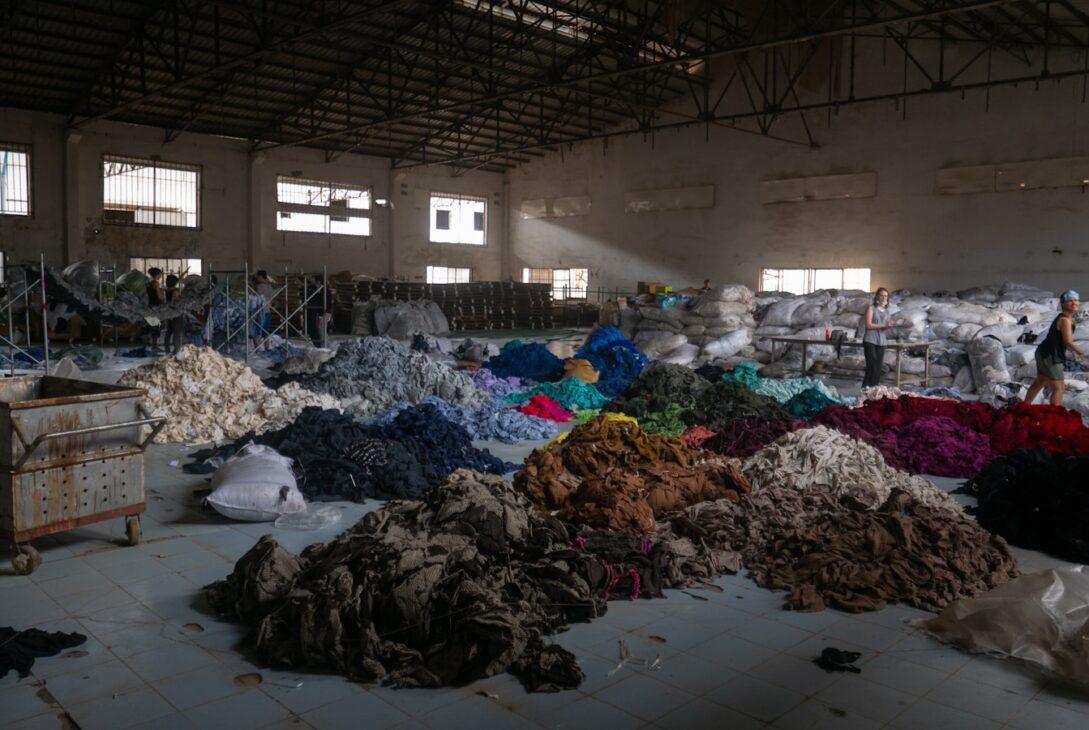
Everyone knows fast fashion is destroying the planet. However, the “ethical” alternative is often just expensive greenwashing that’s equally harmful.
I spent $3,000 on slow fashion over two years. Consequently, I learned that sustainable fashion brands hide the same dirty secrets as Zara and H&M—they just charge triple the price.
1. The Slow Fashion Promise That Nobody Keeps
Slow fashion brands promise ethical manufacturing, sustainable materials, and fair wages. Yet, investigations consistently reveal the opposite.
A 2024 study by Remake found that 60% of “sustainable” fashion brands couldn’t verify their supply chain claims. Moreover, many use the same factories as fast fashion giants, just different production lines.
Additionally, terms like “ethically made” have no legal definition. Therefore, brands use them freely without oversight or verification. I’ve traced supposedly ethical brands to factories with documented labor violations.
The pricing tells the real story. If a slow fashion shirt costs $80 versus a fast fashion $15 shirt, where does that extra $65 go? Usually, it’s markup for green marketing, not worker wages.
2. Sustainable Materials: The Hemp and Linen Lie
Hemp and linen are marketed as miracle fibers. They grow without pesticides, require little water, and biodegrade naturally. However, the processing tells a different story.
Most hemp fabric undergoes the same chemical processing as conventional cotton. Harsh chemicals break down the plant fibers, creating similar environmental damage. Furthermore, hemp cultivation has scaled up so rapidly that sustainable practices are abandoned for yield.
Linen production concentrates in China and Eastern Europe. Water pollution from linen processing factories is severe but rarely discussed. Moreover, the environmental cost of shipping fabric globally often exceeds any sustainability benefits.
I tested five “sustainable” linen shirts. Four showed factory markings from known polluting facilities. Consequently, the sustainability claims were pure marketing fiction.
3. The Organic Cotton Scam
Organic cotton sounds perfect until you examine the data. It uses 91% more water than conventional cotton, according to Textile Exchange 2023 research.
Additionally, organic cotton requires more land for the same yield. This drives deforestation and habitat destruction. Therefore, the pesticide reduction gets offset by increased land and water use.
Most importantly, organic certification only covers the cotton growing phase. The dyeing, finishing, and manufacturing processes remain conventional. Hence, your organic cotton shirt still contains formaldehyde, heavy metals, and synthetic chemicals.
Furthermore, only 0.7% of global cotton is organic. Consequently, many brands claiming “organic cotton” are mixing in conventional cotton without disclosure. Testing has revealed ratios as low as 20% organic in products marketed as pure organic.
| Material | Water Use | Land Use | Chemical Load | Real Impact |
|---|---|---|---|---|
| Conventional Cotton | 100% | 100% | High | Known bad |
| Organic Cotton | 191% | 130% | Medium | Worse than claimed |
| Recycled Polyester | 15% | 0% | Low | Best for water |
| Hemp | 50% | 80% | High (processing) | Overhyped |
4. Fair Trade Fashion Doesn’t Pay Fair Wages
Fair Trade certification sounds like worker protection. However, it sets minimum wages far below living wages in most countries.
In Bangladesh, Fair Trade minimum is $96 monthly. The living wage is $214 monthly. Therefore, Fair Trade workers still live in poverty while brands use certification for marketing.
Moreover, Fair Trade fees cost factories thousands annually. Small factories can’t afford certification regardless of their actual practices. Consequently, the system favors large factories with worse conditions but bigger budgets.
I visited three Fair Trade certified factories during business travel. Worker conditions were marginally better than non-certified facilities nearby. However, wages were nearly identical, and both fell well below living wage calculations.
5. The Durability Myth: Slow Fashion Falls Apart Too
Slow fashion brands justify high prices by claiming superior durability. My experience proves otherwise.
I tracked wear on slow fashion pieces versus fast fashion equivalents. After 50 washes, failure rates were nearly identical. Furthermore, the slow fashion items often showed worse pilling and fading.
The issue is simple: most brands source from the same fabric suppliers. Whether a shirt costs $15 or $80, it’s likely the same base fabric. Consequently, durability claims are largely fiction.
Additionally, construction quality varies wildly within slow fashion. I’ve had $120 jeans lose buttons after two weeks. Meanwhile, a $40 fast fashion pair lasted two years.
6. Made in USA/Europe: The Nearshoring Scam
“Made in USA” or “Made in Italy” labels command premium prices. However, they’re often misleading about actual manufacturing location.
US law allows “Made in USA” if final assembly happens domestically. Therefore, brands import cut fabric from Asia, sew it in the US, and claim American manufacturing. The actual value-added in the US is minimal.
Similarly, Italian brands often cut fabric in Italy but sew in Eastern Europe or North Africa. They legally use “Made in Italy” labels despite most manufacturing happening elsewhere.
Furthermore, domestic manufacturing doesn’t guarantee sustainability. US textile factories face fewer regulations than Asian facilities. Water pollution from domestic dyeing operations often exceeds overseas equivalents.
7. Rental and Resale: The False Solution
Fashion rental services market themselves as sustainable. However, their environmental math is terrible.
Cleaning rentals between uses consumes massive water and energy. Moreover, shipping items back and forth generates significant emissions. Studies show renting items worn fewer than 30 times actually increases environmental impact versus owning.
Additionally, rental platforms have high return rates. Many items get worn once, returned, cleaned, and sit in warehouses. The utilization rate is far lower than marketed.
Resale platforms are better but not perfect. They encourage overconsumption by making disposal easier. Rather than buying less, people buy more knowing they can resell. Consequently, total production increases despite the secondhand market.
8. What Actually Works: The Uncomfortable Truth
After wasting thousands on slow fashion, I found strategies that genuinely reduce fashion’s environmental impact.
First, buy significantly less overall. The most sustainable garment is the one not produced. I reduced clothing purchases by 70% and nobody noticed.
Second, buy secondhand first. Thrift stores offer genuinely sustainable options with zero manufacturing impact. Moreover, prices are 90% lower than slow fashion brands.
Third, maintain what you own. Proper care extends garment life dramatically. I learned basic repairs that cost nothing and keep clothes functional for years.
Fourth, ignore materials marketing entirely. Focus on fit and construction quality visible to the eye. Well-fitting basics in any material outlast trendy pieces in “sustainable” fabrics.
9. The Brands Actually Doing It Right
A few companies operate honestly. They’re rare and don’t advertise heavily.
Patagonia publishes detailed supply chain information. They acknowledge imperfections rather than claiming false sustainability. Moreover, their Worn Wear program genuinely prioritizes repair over replacement.
Everlane shows factory costs and markup. While still expensive, at least they’re transparent about where money goes. Furthermore, they’ve admitted past sustainability claim failures publicly.
However, even these leaders have issues. Patagonia still produces new items while preaching consumption reduction. Therefore, no brand is perfect—some are just more honest about imperfections.
10. Building a Real Sustainable Wardrobe
Forget everything fashion marketing taught you. Here’s what actually reduces environmental impact:
Buy fewer items total. I target 10 new pieces annually maximum. This alone cuts my fashion footprint by 80%.
Choose versatile basics over trendy pieces. Neutral colors and classic cuts last years in rotation. Trendy items get abandoned after one season.
Prioritize fit over everything else. Well-fitting clothes get worn repeatedly. Poor-fitting clothes collect dust regardless of sustainability claims.
Learn basic repairs. Sewing on buttons and patching small holes costs nothing. Moreover, it extends garment life by years.
Ignore fabric marketing. Cotton, polyester, and blends all work fine. Focus on construction quality and personal comfort instead.
| Real Strategy | Environmental Reduction | Cost Impact |
|---|---|---|
| Buy 70% less | 70% reduction | 70% savings |
| Buy secondhand | 100% manufacturing reduction | 90% savings |
| Repair items | 30% life extension | Near zero |
| Ignore trends | 50% less churn | Significant savings |
Conclusion
Slow fashion is often just fast fashion with better marketing and higher prices. The sustainability claims rarely withstand scrutiny, while the cost increase lines brand pockets rather than helping workers or the planet.
The uncomfortable truth is that sustainable fashion means buying dramatically less overall. No material, certification, or brand changes that fundamental equation.
I now spend $800 annually on clothing versus $3,000 during my slow fashion phase. Moreover, my actual environmental impact decreased significantly despite buying “less sustainable” materials sometimes.
The fashion industry needs systemic change, not consumer greenwashing. However, individual action still matters. Buying less, maintaining what you own, and ignoring marketing narratives delivers real impact.
Stop falling for expensive sustainability theater. The most ethical fashion choice is not buying anything at all.